
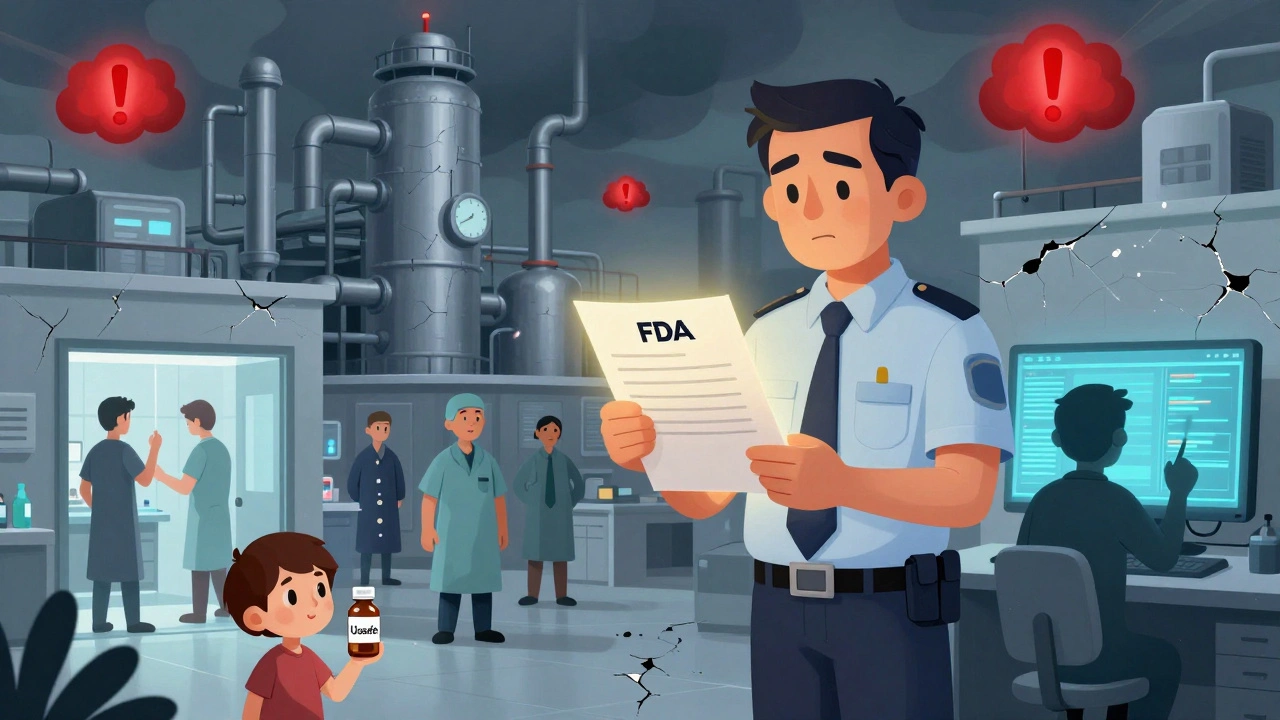
When the FDA sends a warning letter to a drug manufacturer, it’s not a gentle reminder. It’s a red flag that something serious is wrong with how the product is being made. These letters don’t come out of nowhere. They’re the result of inspections where inspectors found clear, documented violations of Current Good Manufacturing Practices (CGMP). And if you’re a manufacturer - whether you’re in the U.S., India, or anywhere else - getting one means your production, your reputation, and your bottom line are all at risk.
What Exactly Is an FDA Warning Letter?
An FDA warning letter is a formal, public notice that a company has broken federal rules for making drugs, medical devices, or other regulated products. It’s not a suggestion. It’s not a warning you can ignore. It’s the FDA’s way of saying: “You’re violating the law, and we’re documenting it.” These letters are issued under the Federal Food, Drug, and Cosmetic Act (FD&C Act). They’re used when inspection findings show significant violations - things like contaminated batches, missing documentation, or uncontrolled processes that could put patients in danger. Unlike a Form 483, which is an internal list of observations given at the end of an inspection, a warning letter is official, public, and legally binding. The FDA doesn’t send these lightly. In 2023 alone, they issued 327 warning letters to pharmaceutical manufacturers worldwide - up from 289 the year before. That’s a 12.7% increase. And it’s not slowing down. The agency has been ramping up inspections, especially overseas, with its foreign inspection budget jumping 28.5% between 2020 and 2023.What Do These Letters Actually Say?
Every warning letter follows a strict format. There are three parts you can’t miss:- Violation details: Specific examples of what went wrong. Not vague statements like “poor quality control.” Real, concrete observations. For example, a July 2025 letter to Daewoo Pharmaceutical cited “exposed skin in the ISO 5 cleanroom area” and “non-sterile tape used on the filling line.” That’s not a typo - that’s a direct path to contamination.
- Regulatory citations: Exact references to the Code of Federal Regulations (CFR). Most often, it’s 21 CFR Parts 210 and 211 - the rules that spell out how drugs must be made, tested, and stored. If you don’t know these sections, you’re not ready to run a pharmaceutical facility.
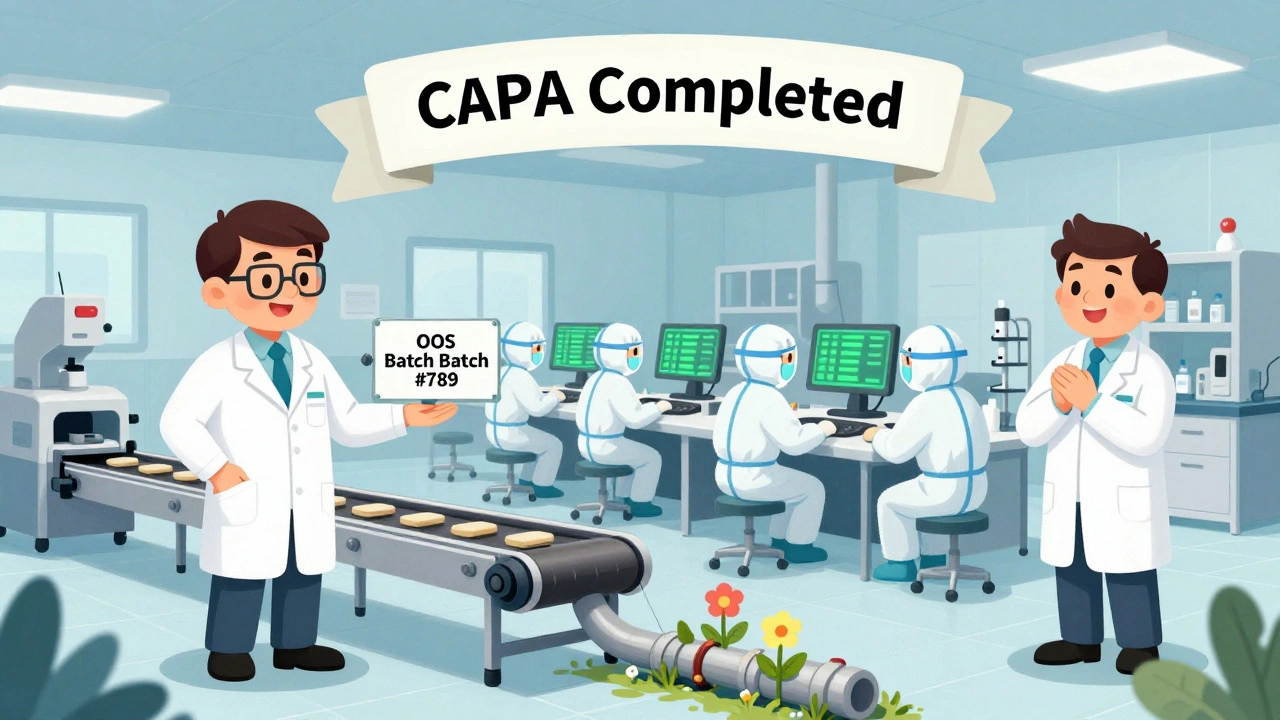
- Required actions: What you must do to fix it. This isn’t optional. Letters demand full investigations, root cause analyses, corrective and preventive actions (CAPA), and proof that the fixes actually work. One letter to Oasis Medical, Inc. required them to examine every batch from January 2023 onward for defects. That’s not a quick fix - that’s months of work.
What Are the Most Common Violations?
Not all violations are created equal. Some are rare. Others show up over and over again. Based on hundreds of letters analyzed from 2018 to 2023, here are the top problems:- Inadequate investigation of out-of-specification (OOS) results: Found in 63.4% of warning letters. If a batch fails a test, you can’t just throw it out and make another. You have to figure out why it failed - and prove you’ve fixed the root cause.
- Poor quality unit oversight: Appears in 57.8% of cases. The quality unit is supposed to be independent and empowered. Too many companies treat it like a paperwork department instead of the final gatekeeper for safety.
- Aseptic processing failures: 78.3% of letters for sterile products cite problems here. Think: dirty gloves, unvalidated equipment, or bad environmental monitoring. One letter specifically called out a media fill program that didn’t meet standards - a direct risk of patient infections.
- Data integrity issues: Up from 42% in 2019 to 67% in 2023. This means falsified records, deleted files, or unapproved changes to computer systems. The FDA is now actively checking electronic logs, not just paper files.
- Failure to test incoming materials: A 2025 letter to Creative Essences cited lack of testing for diethylene glycol in glycerin - a toxin that has killed people in the past.
Who Gets Warning Letters - and Why?
You might think foreign manufacturers are the main targets. And you’d be right - but not for the reason you think. In 2022, Indian manufacturers received 38.7% of all warning letters (112 out of 289). U.S. facilities were next at 31.5%. But here’s the twist: the GAO found that equivalent violations often get a warning letter overseas but only a Form 483 in the U.S. One 2023 analysis showed foreign facilities are 22% more likely to get a warning letter than domestic ones for the same issue. Why? It’s not just bias. It’s risk. Many foreign facilities supply the U.S. market with generic drugs - the kind that millions rely on every day. If one batch fails, it could affect hundreds of thousands of patients. The FDA is under pressure to protect public health, and they’re using warning letters as a tool to force accountability where oversight is harder. But it’s not just about geography. Companies with multiple facilities are being held to a higher standard. A July 2025 letter to Glenmark Pharmaceuticals didn’t just cite one facility - it referenced a similar violation from their 2019 letter in Himachal Pradesh. The FDA is now looking at your entire network, not just one plant.What Happens After You Get a Letter?
Getting a warning letter isn’t the end of your business - but it’s the end of business as usual. First, you have to respond. Not with a polite letter saying “we’ll look into it.” You need a full, data-backed response that includes:- Root cause analysis with supporting evidence
- Step-by-step corrective actions
- Preventive measures to stop it from happening again
- Proof that the fixes work - like revalidated processes or successful batch runs
Why This Matters to Everyone
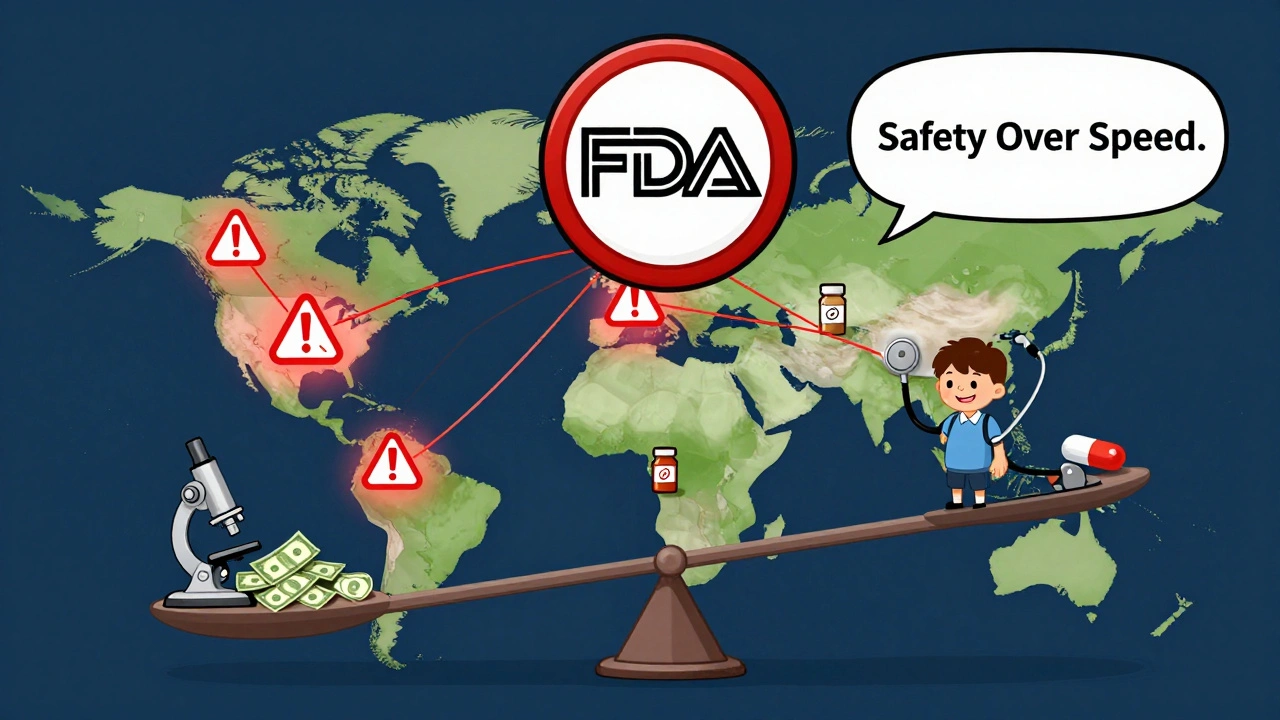
You might think this only affects drug companies. But it affects you. Every pill, injection, or inhaler you take comes from a facility that passed FDA inspection. When a warning letter is issued, it means a batch might have been made under unsafe conditions. That’s why the FDA makes these letters public - so patients, pharmacies, and doctors know which manufacturers are under scrutiny. It also affects drug prices. When a manufacturer is under a warning letter, they often stop making drugs. That leads to shortages. In 2023, over 200 drug shortages were linked to manufacturing issues - many tied to unresolved CGMP violations. And it’s getting worse. The FDA’s 2023-2027 Strategic Plan says they’ll focus on facilities with past violations. That means if you’ve been warned before, you’re now on their radar permanently. They’re not just looking for new problems - they’re watching to see if you learned from your mistakes.What Can Manufacturers Do to Avoid a Warning Letter?
The best warning letter is the one you never get. Here’s how to stay ahead:- Train your staff like their lives depend on it - because they do. A single exposed forearm in a cleanroom can ruin a batch. Make sure everyone knows why every step matters.
- Invest in data integrity. Don’t just keep paper logs. Use secure, auditable electronic systems. The FDA is checking for deleted files and backdated entries.
- Test everything - and document everything. Incoming raw materials, in-process checks, final product. No exceptions. No shortcuts.
- Empower your quality unit. They need authority to stop production. If they’re afraid to say no, you’re one inspection away from a letter.
- Do internal audits before the FDA shows up. Find your own problems before they do. Fix them before they become violations.
How long do I have to respond to an FDA warning letter?
The FDA gives you 15 working days to send a formal response. But this is just the start - not the finish. The response must include a full investigation, root cause analysis, and detailed corrective actions. Fixing the actual problems usually takes 6 to 12 months. The 15-day deadline is for your initial plan, not the solution.
Can a warning letter be removed from the FDA website?
No. Warning letters are permanent public records. Even if you fully fix the issues and the FDA closes the case, the original letter stays online. That’s why companies treat them like a scar on their reputation. Investors, partners, and customers check the FDA’s warning letter database before doing business.
What happens if I don’t respond to a warning letter?
If you ignore it, the FDA will escalate. That could mean an import alert (blocking your products from entering the U.S.), a product seizure, a consent decree (court-enforced oversight), or even criminal charges. The agency doesn’t wait. They move quickly from warning to action if you don’t.
Are warning letters only for pharmaceuticals?
No. While most warning letters target drug manufacturers, they’re also issued to companies making medical devices, biologics, food, and cosmetics. Any product regulated under the FD&C Act can trigger one. The rules for CGMP apply to all of them.
Do warning letters affect drug prices or availability?
Yes. When a manufacturer gets a warning letter, they often halt production. This causes drug shortages - especially for generic medications. In 2023, over 200 shortages were linked to manufacturing issues. Patients end up paying more, or going without. The ripple effect is real.
Comments
Katherine Gianelli
Man I remember when my cousin's company got one of these letters last year. They thought they could wing it with paperwork and skip the training. Turns out the FDA doesn't care how busy you are. One guy wore a sleeveless shirt in the cleanroom and boom - six months of audits. Now they do monthly drills. Everyone wears full gear. Even the interns. It's crazy how much it changed their culture. Not perfect but at least they're alive.
December 3, 2025 at 00:30
Ignacio Pacheco
So the FDA is just playing hardball now? Cool. I guess we’re all just one exposed forearm away from corporate oblivion. Meanwhile, the CEO’s on a yacht in the Caribbean while the QC team is crying over a spreadsheet. Real nice.
December 4, 2025 at 20:55
Jim Schultz
Let’s be brutally honest: 85% of these warning letters are repeat offenders. That’s not incompetence - that’s negligence dressed up as ‘budget constraints.’ You don’t get to cut corners on patient safety and then act surprised when the FDA comes knocking. And don’t even get me started on data integrity - deleting logs? Backdating entries? That’s not a mistake, that’s fraud. And if you’re still using paper logs in 2025? You’re not a manufacturer - you’re a museum exhibit.
The FDA isn’t being aggressive - they’re being *late.* This has been brewing for a decade. And now you’re shocked? Wake up. Your quality unit isn’t a paperwork department - it’s your last line of defense. If they’re afraid to say no, you’re already dead.
And yes, foreign facilities get hit harder - but guess what? They’re also the ones supplying 80% of your generic drugs. So if you want your $5 blood pressure pill to not kill you, maybe stop complaining about the inspection and start fixing your processes.
Also - ‘media fill programs that don’t meet standards’? That’s not a typo. That’s a death sentence waiting to happen. One contaminated batch can kill dozens. And you’re worried about your quarterly report?
Stop acting like this is a bureaucratic nuisance. It’s a public health emergency. And if you can’t see that, you shouldn’t be in this industry.
December 5, 2025 at 12:08
Kidar Saleh
Having worked in pharma across three continents, I can tell you this: the FDA’s warning letters are the most honest documents in regulatory affairs. No fluff. No sugarcoating. Just cold, hard facts about how your facility is risking lives. In the UK, we get similar notices from the MHRA, but they’re often buried in internal memos. The FDA publishes theirs. That’s accountability. That’s transparency. And frankly, that’s what the world needs.
Yes, the numbers are higher for Indian facilities - but that’s because they’re the backbone of global generics. And when a batch fails, it doesn’t just affect one country - it affects millions. So yes, they’re scrutinized more. And they should be. The cost of failure isn’t financial - it’s human.
Companies that survive these letters don’t fix the problem - they rebuild the culture. And that’s the real lesson here.
December 6, 2025 at 14:09
Chloe Madison
Listen. I know this sounds overwhelming. But you can do this. I’ve helped five small manufacturers pull through warning letters - and every single one came out stronger. It’s not about panic. It’s about process. Start with your quality unit. Give them real power. Not just a title. Real authority to stop production. Then audit your data systems - no more Excel sheets with handwritten corrections. Use validated software. And train your team like their lives depend on it - because they do.
One company I worked with had 37 OOS failures in six months. After 10 months of fixing root causes, they dropped to 2. And guess what? Their revenue went up 22% because customers trusted them again.
You’re not alone. There’s a path out. But it starts with honesty. Not excuses.
December 7, 2025 at 05:33
Vincent Soldja
Warning letters are bad. Fix them. End of story.
December 8, 2025 at 21:40
Joykrishna Banerjee
Let me tell you something - the FDA is just a tool of Western imperialism. Why are Indian facilities targeted 22% more? Because they’re cheaper. Because the West wants to protect its own pharma oligarchs. The same violation in Ohio gets a Form 483. In Hyderabad? A public shaming. This isn’t about safety - it’s about control. And you know what? We’re not afraid. We’ve been making life-saving drugs for decades with half the resources. The real failure is in the West’s arrogance - not our cleanrooms.
Also - ‘data integrity’? Please. Paper logs are more reliable than your cloud-based systems. Ever had a server crash? We’ve had blackouts for 12 hours. Still made safe medicine. Your digital obsession is the real risk.
And don’t even get me started on ‘CAPA.’ That’s just corporate jargon for ‘do more paperwork.’ Real quality comes from experience - not spreadsheets.
December 9, 2025 at 02:06
Myson Jones
It’s not just about compliance - it’s about culture. If your team thinks the quality unit is just there to sign off on forms, you’ve already lost. The best facilities I’ve seen? The people on the floor speak up. They know their job isn’t to hit a target - it’s to protect someone’s mom, dad, kid. That mindset changes everything. Training matters. But heart matters more.
And yes - the FDA’s public letters are scary. But they’re also fair. You get to see exactly where you failed. No hidden agenda. Just the facts. That’s rare in this industry.
Fix it. Learn. Move forward.
December 10, 2025 at 18:29
parth pandya
hey i work in a small lab in mumbai and we got a warning letter last year for not testing glycerin. we didnt even know diethylene glycol was a thing. now we test everything. its crazy how much we learned. its hard but worth it. my boss cried when we passed the followup. we are still small but now we export. thanks for the post man
December 11, 2025 at 11:35
Albert Essel
There’s a dangerous myth that warning letters are punitive. They’re not. They’re diagnostic. The FDA isn’t trying to shut you down - they’re trying to show you where your system is broken. And if you treat them as a wake-up call instead of a punishment, you can come out stronger. The companies that thrive after a warning letter aren’t the ones with the biggest budgets - they’re the ones with the most humility. They listen. They change. They rebuild. And that’s the real lesson here.
Also - yes, the cost is high. But the cost of *not* fixing it? That’s measured in lives lost. That’s a price no company can afford to pay.
December 12, 2025 at 03:02
Charles Moore
I’ve sat on both sides of the table - as a regulator and as a consultant. The most successful responses I’ve seen? They don’t just list fixes. They tell a story. ‘Here’s what went wrong. Here’s how we found it. Here’s how we changed our people, our tools, our mindset.’ That’s what moves the FDA. Not perfection - progress. And transparency. They respect honesty more than flawless reports.
Also - if your quality unit is afraid to say no, you’re one inspection away from disaster. Empower them. Listen to them. They’re not the enemy. They’re your shield.
December 13, 2025 at 23:33
James Kerr
Been there. Got the letter. Fixed it. Now we sleep better. 😊
December 14, 2025 at 01:51
Write a comment