
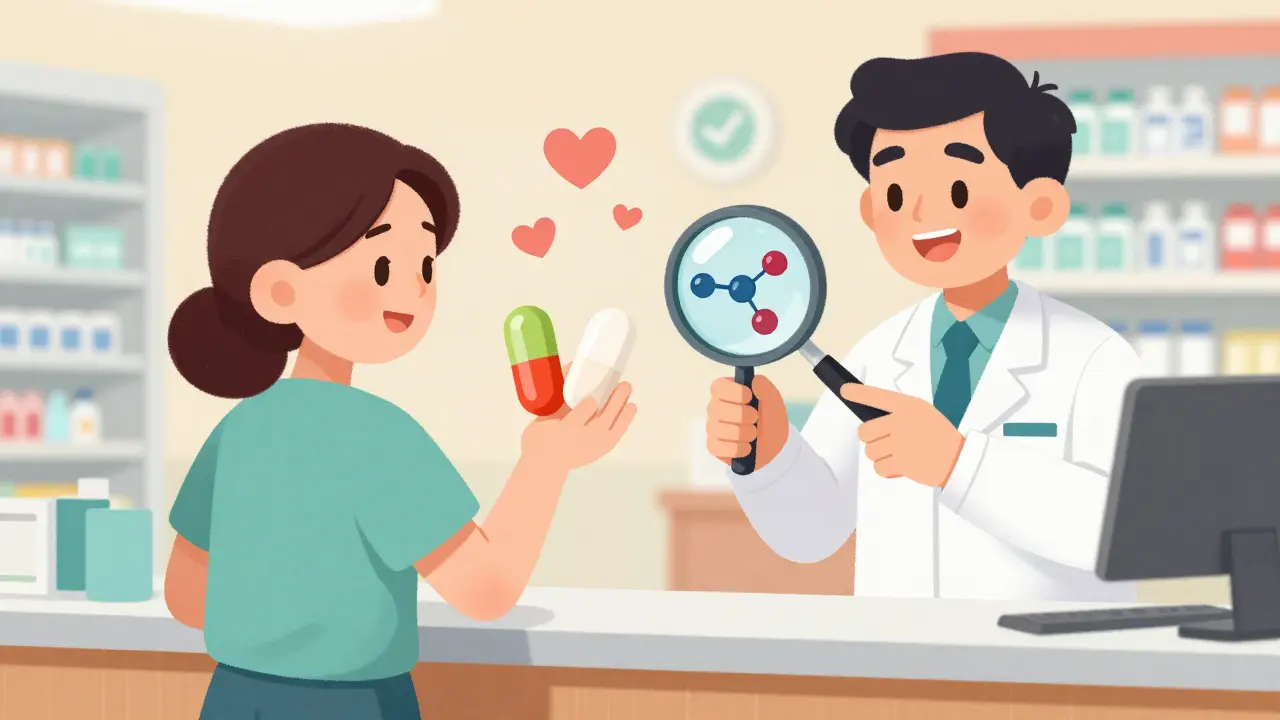
When you pick up a prescription, you might see two options: the familiar brand-name pill with a big logo, or a cheaper, plain-looking generic version. Many people wonder - is the generic just as good? Or are you risking your health to save money? The truth is simpler than you think: generic drugs are not second-rate. They’re the same medicine, just without the marketing cost.
They’re Not Just Similar - They’re Identical
The FDA doesn’t let a generic drug hit the market unless it’s proven to work exactly like the brand-name version. That means the same active ingredient, in the same strength, given the same way - whether it’s a pill, injection, or cream. The FDA requires bioequivalence: the generic must deliver the same amount of medicine into your bloodstream at the same speed as the brand. Studies show the average difference in absorption between generic and brand-name drugs is just 3.5%. That’s well within the FDA’s allowed range of 80% to 125% - meaning your body processes them the same way. Think of it like buying the same brand of soda in a store-brand bottle. The taste, the fizz, the sugar content - all the same. The only difference is the label and the price. Generic drugs follow the same logic. The FDA inspects manufacturing plants for both brand and generic drugs using the same rules. If a plant fails an inspection for making Lipitor, it would also fail for making generic atorvastatin.Why Are Generics So Much Cheaper?
Brand-name drugs cost a fortune because their makers have to pay for everything: research, animal testing, clinical trials on thousands of people, and years of regulatory review. The FDA estimates it costs about $2.6 billion to bring a new drug to market. That’s why a brand-name drug like Humira might cost $2,500 a month. Generic manufacturers don’t have to repeat all that. Once a patent expires, they only need to prove their version works the same way. No need to redo clinical trials. No need to spend millions on advertising. That’s why generic atorvastatin - the same drug as Lipitor - dropped from $130 a month to under $1 a month within five years after generics entered the market. According to GoodRx, generics save patients an average of 82.5% compared to brand-name drugs. The Association for Accessible Medicines says generics saved the U.S. healthcare system $1.67 trillion between 2007 and 2016. That’s not just pocket change - that’s billions of dollars kept in people’s wallets and out of insurance premiums.When Generics Might Not Be the Same
Most of the time, generics are a perfect swap. But there’s one small group of drugs where even tiny changes matter: narrow therapeutic index (NTI) drugs. These are medications where the difference between a dose that works and a dose that’s dangerous is very small. Examples include warfarin (a blood thinner), levothyroxine (for thyroid conditions), and some seizure medications like phenytoin or levetiracetam. In these cases, even a 5% difference in how the drug is absorbed can cause problems. A 2017 study from the University of Cincinnati found that switching between different generic versions of levetiracetam led to a 32% higher risk of seizure-related hospitalizations. That’s why some neurologists recommend sticking with the same manufacturer - whether it’s brand or generic - for these drugs. The FDA still says all approved generics are safe and effective. But they also acknowledge that for NTI drugs, consistency matters. If you’re on one of these medications, don’t panic. Just ask your pharmacist: “Can I get the same generic manufacturer every time?” Many pharmacies will honor that request.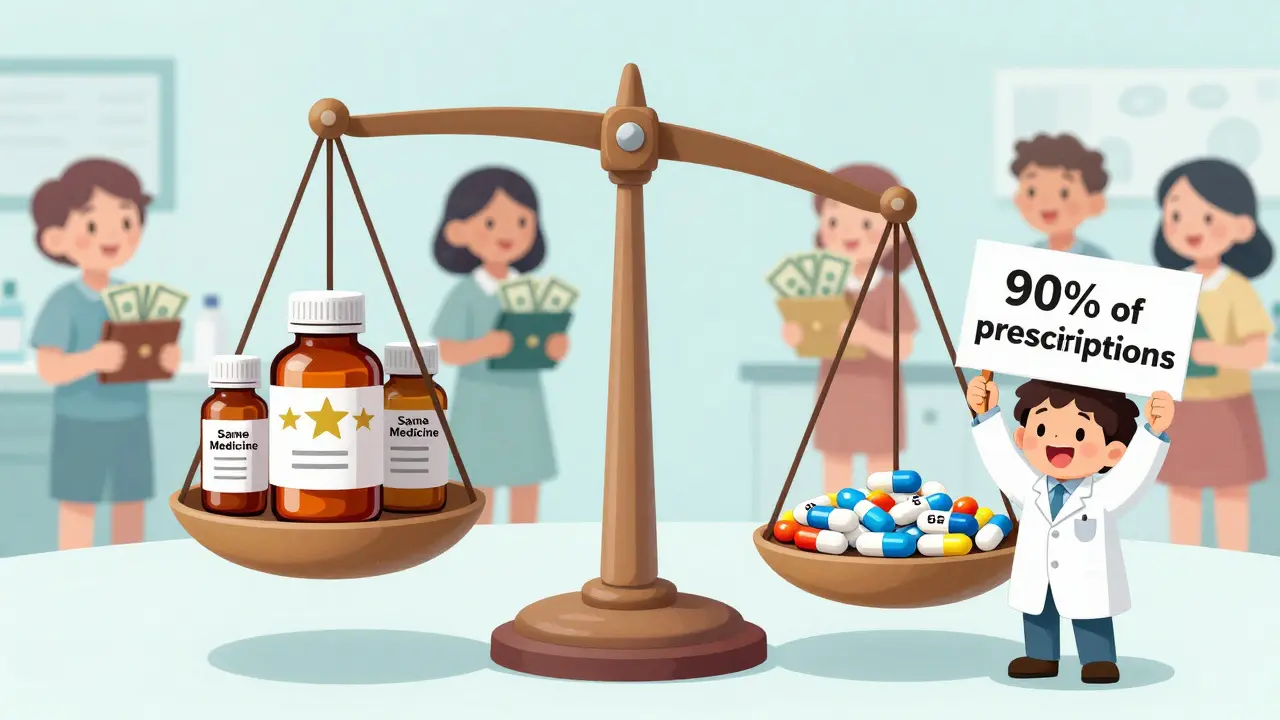
What’s in the Pill That Isn’t the Medicine?
The active ingredient is the same. But the rest? Not always. Generics can have different fillers, dyes, flavors, or coatings. That’s why a generic pill might be a different color or shape than the brand. For most people, this doesn’t matter. But if you’re allergic to certain dyes - like FD&C Red No. 40 - or sensitive to lactose or gluten, the inactive ingredients can cause issues. A Drugs.com analysis of 250,000 patient reviews found that 87% of users reported no difference between generic and brand-name versions of common drugs like metformin or lisinopril. But among those taking levothyroxine (Synthroid), 13% said they had symptoms like fatigue, weight gain, or heart palpitations after switching to a different generic. In most cases, going back to the original version fixed the problem. If you notice a change in how you feel after switching to a generic - especially with thyroid, seizure, or blood-thinning meds - talk to your doctor. You might need to request a specific manufacturer or ask for a "dispense as written" note on your prescription.What the Numbers Don’t Tell You
You might hear that 90% of prescriptions in the U.S. are filled with generics. That’s true. But here’s the twist: generics make up 90% of prescriptions, but only 26% of total drug spending. That’s because brand-name drugs, while much less common, are priced so high they dominate the cost. Medicare Part D beneficiaries say cost is the #1 reason they choose generics - 68% of them. Only 22% say their doctor recommended it. That tells you something: most people switch to generics because they have to, not because they’re told to. And for good reason. The average savings per prescription is $40-$60. For someone on three medications, that’s $1,500 a year. Big hospitals and health systems use generics almost exclusively - over 95% of their prescriptions. Why? Because they’re smart about spending. They don’t pay extra for branding. You can be smart too.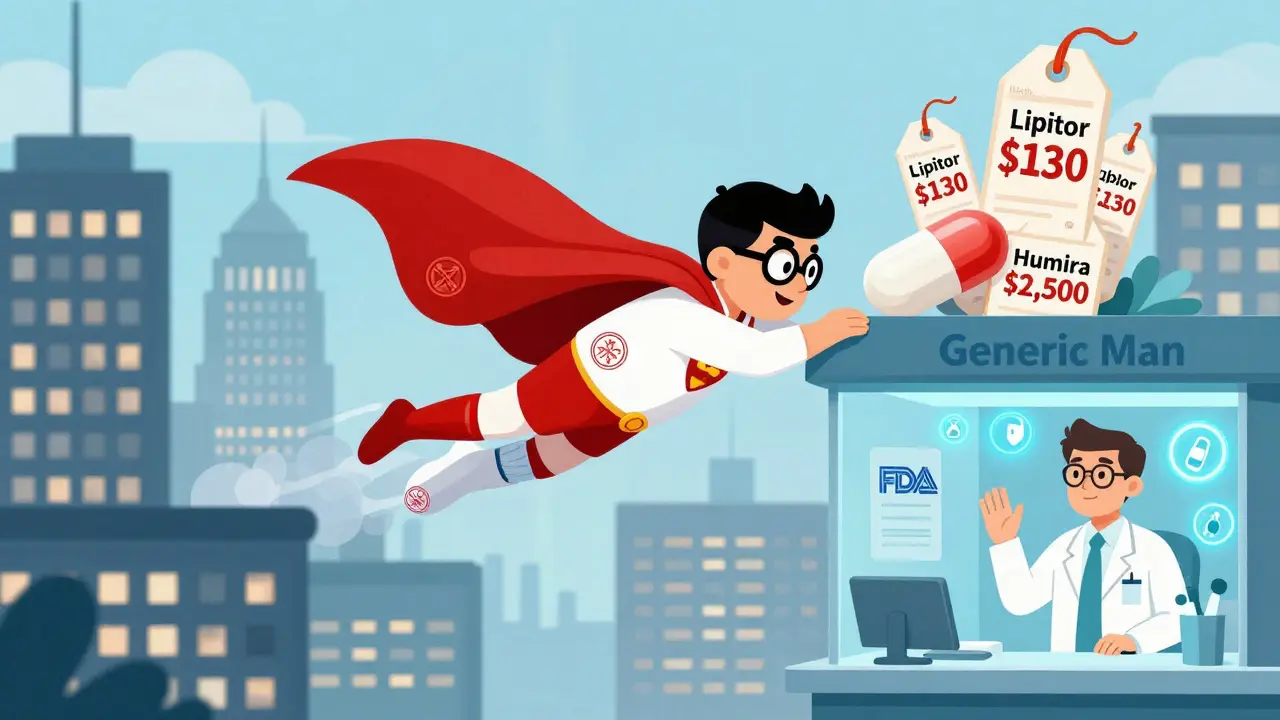
What You Can Do Right Now
Here’s how to make sure you’re getting the best deal without risking your health:- Ask if a generic is available. Your doctor might assume you know, or they might not have considered it. Just say: “Is there a generic version of this?”
- Use GoodRx or similar apps. Compare prices at nearby pharmacies. Sometimes the brand is cheaper than the generic because of coupons or insurance quirks.
- Check the pill. If your generic looks different, don’t assume it’s wrong. Use the FDA’s Orange Book (online or ask your pharmacist) to confirm the active ingredient matches.
- Stick with one manufacturer. Especially for NTI drugs. Ask your pharmacist to keep you on the same version.
- Speak up if something changes. If you feel different - more tired, more anxious, more dizzy - after switching, tell your doctor. It’s not all in your head.
What’s Changing in 2026
The FDA’s new Generic Drug User Fee Amendments (GDUFA) III, launched in 2023, is speeding up approval times - from 14 months down to 10. That means more generics hitting the market faster. In 2022, the FDA approved 12 complex generics - like inhalers and topical creams - that used to take years to get approved. That’s a big win for patients who need these drugs but couldn’t afford them. Biosimilars - the generic version of biologic drugs like Humira - are also growing fast. Since Humira’s patent expired in 2023, its biosimilars are already cutting costs by 70%. That’s going to save patients billions over the next few years. But there’s still a problem: drug shortages. In 2022, there were 178 active shortages of generic drugs in the U.S., mostly because manufacturing is outsourced overseas. A 2023 GAO report found that 18% of foreign generic plants had at least one FDA inspection issue - compared to just 8% for U.S. plants. That’s why some pharmacies run out of certain generics. If your usual generic isn’t available, ask if another manufacturer’s version is safe to use.Final Thought: Trust the Science, Not the Label
For 9 out of 10 prescriptions, generic drugs are just as safe and effective as brand-name drugs - and they save you money. The FDA, the JAMA study, and real-world data from millions of patients all agree. The exceptions exist, but they’re rare. You don’t need to fear generics. You need to understand them. If you’re on a common medication - like blood pressure pills, statins, or antibiotics - switching to generic is one of the smartest health decisions you can make. Save money. Take your medicine. Feel better. That’s the whole point.Are generic drugs as effective as brand-name drugs?
Yes, for the vast majority of medications, generic drugs are just as effective. The FDA requires them to have the same active ingredient, strength, dosage form, and route of administration as the brand-name version. They must also prove bioequivalence - meaning they deliver the same amount of medicine into your bloodstream at the same rate. Studies show the average difference in absorption is only 3.5%, well within the FDA’s acceptable range of 80-125%.
Why do generic pills look different from brand-name pills?
Federal law prohibits generic manufacturers from making pills that look exactly like brand-name drugs. That’s why generics often differ in color, shape, size, or markings. These differences are only in inactive ingredients like dyes or fillers - not the active medicine. As long as the active ingredient matches, the effect is the same. If you’re confused about a pill’s identity, check the FDA’s Orange Book or ask your pharmacist.
Can I switch between different generic manufacturers?
For most drugs, yes - switching between generic manufacturers is safe. But for narrow therapeutic index (NTI) drugs like levothyroxine, warfarin, or certain seizure medications, even small changes in how the drug is absorbed can affect your health. If you’re on one of these, ask your pharmacist to keep you on the same manufacturer. You can also ask your doctor to write "dispense as written" on your prescription to prevent automatic switches.
Do generics have the same side effects as brand-name drugs?
The side effects from the active ingredient are the same. But sometimes, different inactive ingredients in generics - like dyes, preservatives, or fillers - can cause allergic reactions or sensitivities in rare cases. If you notice new symptoms after switching to a generic - like rash, nausea, or unusual fatigue - talk to your doctor. It might be the filler, not the medicine.
Why are some generic drugs out of stock?
Generic drug shortages happen mostly because manufacturing is concentrated overseas, and supply chains can be fragile. A factory shutdown, quality issue, or raw material shortage can cause delays. The FDA reported 178 active generic drug shortages in 2022. If your pharmacy runs out, ask if another manufacturer’s version is available. For critical medications, your doctor can help you find alternatives or request an emergency supply.
Is it safe to use biosimilars instead of brand-name biologics?
Yes. Biosimilars are the generic version of complex biologic drugs like Humira or Enbrel. They’re not exact copies - because biologics are made from living cells - but they’re proven to work the same way with no clinically meaningful differences. The FDA has approved 35 biosimilars as of 2023, and they’ve saved patients billions. If your doctor recommends a biosimilar, it’s a safe and cost-effective choice.
Comments
John Cena
Been taking generic lisinopril for like 8 years now. No issues, no weird side effects, just keeps my BP steady. I used to buy the brand just because it looked more 'professional' - until I did the math and realized I was paying $200/month for the same chemical. Now I save $150 a month and don't even think about it. Sometimes the simplest truths are the ones we ignore because they're too boring to talk about.
February 21, 2026 at 20:05
Freddy King
Let’s unpack this bioequivalence metric. FDA’s 80–125% window is statistically permissive to the point of absurdity. A 25% variance in AUC? That’s not 'close enough' - that’s a therapeutic wild card. And don’t get me started on Cmax variability in NTI drugs. You’re telling me a 3.5% average difference is 'safe'? That’s the mean. The standard deviation? Unreported. The real-world data from Cincinnati on levetiracetam? That’s not an outlier - it’s a systemic blind spot in regulatory logic. We’re optimizing for cost, not clinical precision.
February 22, 2026 at 02:58
Laura B
I’m a pharmacist in rural Ohio, and I see this every day. Grandma switches from Synthroid to generic and suddenly she’s exhausted, gaining weight, her heart’s racing. She doesn’t know why. She just thinks she’s 'getting old.' We have to be proactive - ask about symptoms, check the manufacturer code on the bottle, and if she’s on warfarin? We lock in the same generic, no exceptions. The system works great for 90% of people. But for the 10% who are sensitive? We need better tracking. Not just 'ask your pharmacist' - we need pharmacy-level alerts. It’s not about distrust. It’s about precision.
February 23, 2026 at 14:25
Danielle Gerrish
Okay, I need to say this because no one else will: I switched to generic Adderall last year because my insurance wouldn’t cover the brand, and I felt like I was losing my mind. Not because the medicine didn’t work - it did - but because I was suddenly zoning out, forgetting my own phone number, crying for no reason. I went back to the brand and it was like someone flipped a switch. I didn’t think it was possible, but my body literally reacted to the filler. I’m not exaggerating. I had to go to a specialist. They said it was likely the dye - FD&C Yellow No. 6 - which is in 70% of generics. I’m not saying generics are bad. I’m saying our bodies are weird, and we treat them like machines. We’re not. We’re fragile. And if you’re on something that affects your brain? Don’t just trust the label. Trust your gut. And if you feel different? Speak up. Even if it sounds crazy. I did. And it saved me.
February 24, 2026 at 22:47
madison winter
People act like generics are this revolutionary thing. But let’s be real - they’re just capitalism doing what it does best: stripping away everything except the bare minimum. The FDA approves them. The manufacturers cut corners. The pharmacies switch them automatically. And we’re supposed to be grateful? For what? Saving $40 a month while risking a seizure? The real scandal isn’t that generics exist - it’s that we’ve normalized trading safety for savings. And now we’re surprised when people get sick? Wake up. This isn’t innovation. It’s exploitation dressed up as progress.
February 26, 2026 at 02:35
Jeremy Williams
While I appreciate the empirical data presented, I must emphasize the epistemological gap between regulatory benchmarks and lived physiological experience. The FDA's bioequivalence standard, while mathematically defensible, fails to account for inter-individual pharmacokinetic variance, particularly in populations with polymorphic CYP450 enzyme expression. Furthermore, the outsourcing of manufacturing to jurisdictions with lax quality control protocols introduces an unquantifiable risk vector. One cannot reduce human health outcomes to statistical aggregates. Individual autonomy in pharmaceutical choice must be preserved - not as an exception, but as a fundamental right.
February 27, 2026 at 21:15
Maddi Barnes
So basically, we’re all lab rats in a cost-cutting experiment? 😅
My mom’s thyroid meds switched generics 3 times in 6 months. She went from ‘I feel fine’ to ‘I’m a zombie who can’t find her keys.’ She finally demanded the same brand - and boom, energy returned. The system is broken when YOU have to fight for consistency. 🤦♀️
Also, why is it that the $2,500 brand-name drug gets a 30-second ad on TV, but the $1 generic? Silence. 🤐
Who’s really benefiting here? Not us.
February 28, 2026 at 12:09
Benjamin Fox
USA best generics no cap 💪
China factories make it cheap we get it good
stop whining and take the pill
brand name = corporate scam
generic = american win 🇺🇸
March 1, 2026 at 20:33
Write a comment