
Imagine a single medical intervention that could cut your risk of a heart attack in half within just one year. It isn't a new miracle drug or a complex surgery. It's the act of putting out your last cigarette. For many, the link between tobacco and the heart is common knowledge, but the actual speed of recovery is what surprises people. Within just 20 minutes of your last smoke, your blood pressure and heart rate start dropping back toward normal. The damage is severe, but the heart's ability to bounce back is remarkably fast if you give it the chance.
The Direct Link Between Smoking and Your Heart
When you smoke, you aren't just affecting your lungs. Cardiovascular Disease is a general term for conditions affecting the heart or blood vessels, often caused by the buildup of plaque in the arteries. Smoking accelerates this process by damaging the lining of your arteries and making your blood thicker and more likely to clot. This creates a perfect storm for Coronary Heart Disease, where the arteries supplying the heart muscle become narrowed or blocked, leading to chest pain or a heart attack.
The stakes are high. Data from the CDC shows that nearly 178,000 smoking-related deaths each year are specifically due to cardiovascular issues. For someone who has already had a heart attack, quitting isn't just a good idea-it's a survival strategy. Research indicates that patients with existing heart disease who stop smoking reduce their risk of cardiac death by about 32% compared to those who keep smoking.
Your Recovery Timeline: What Happens When You Quit
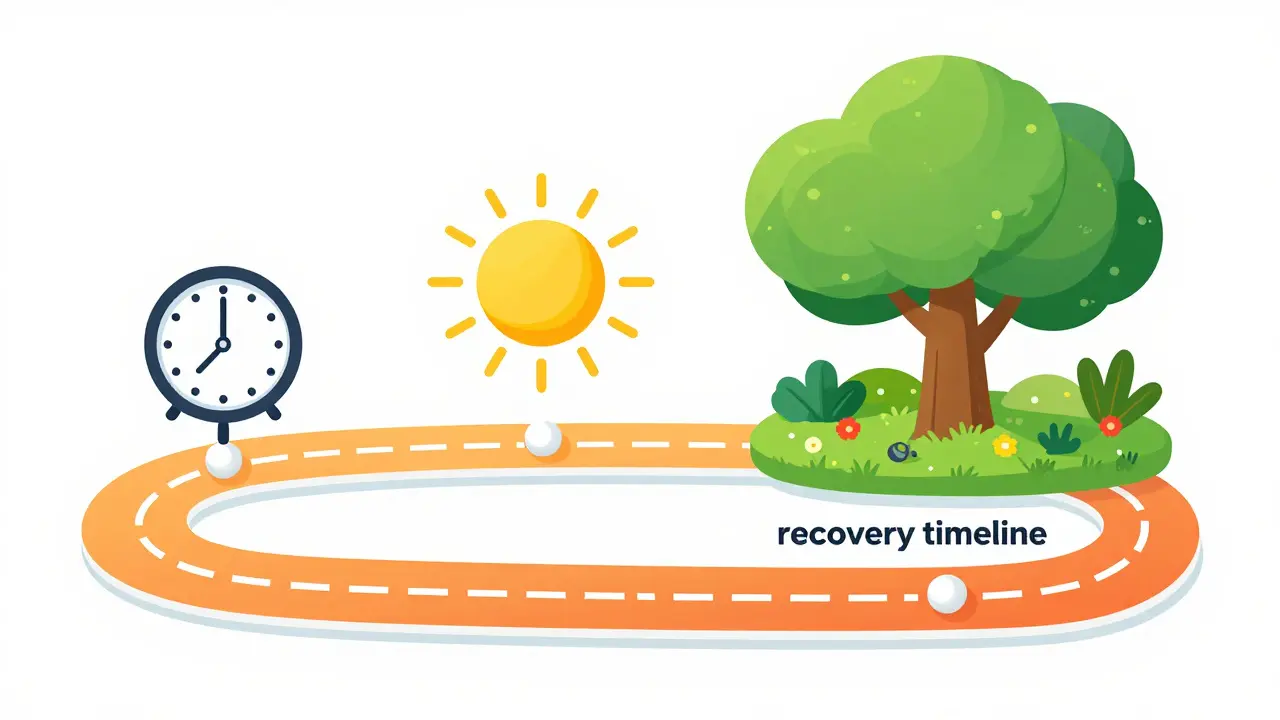
The most motivating part of quitting is how quickly the benefits kick in. You don't have to wait years to feel the difference in your chest and breath. Here is the reality of your heart's recovery process:
- 20 Minutes: Your heart rate and blood pressure begin to stabilize.
- 12 to 24 Hours: Carbon monoxide levels in your blood drop, allowing more oxygen to reach your heart and organs.
- 1 Year: Your risk of a heart attack (myocardial infarction) drops by 50% compared to when you were smoking.
- 5 to 15 Years: Your risk of stroke drops significantly, eventually approaching the level of someone who never smoked.
- 15 Years: Your risk of coronary heart disease becomes nearly equal to that of a non-smoker.
This timeline proves that no matter how long you've smoked, your heart starts healing the moment you stop. It's one of the few areas of medicine where the benefit is almost immediate.
Proven Strategies to Quit for Good
Willpower alone is rarely enough. In fact, about 75% of people who try to quit on their own relapse within six months. To actually save your heart, you need a system. The most effective approach is a combination of behavioral changes and pharmacological support.
Medical Support Options
Using medication doesn't mean you're "cheating"; it means you're treating a chronic condition. Nicotine Replacement Therapy (or NRT) is a method of delivering nicotine to the body via patches, gums, or lozenges to reduce withdrawal symptoms without the toxic chemicals found in tobacco smoke.
For those who need something stronger, prescription options like Varenicline (often known as Chantix) act on the brain to reduce the pleasure derived from smoking and dampen cravings. Another option is Bupropion SR, an antidepressant that has been found to help people quit by reducing the urge to smoke.
| Medication | Primary Use | Approx. Success Rate (Short-term) | Key Benefit/Trade-off |
|---|---|---|---|
| Combination NRT | Nicotine craving relief | 35-40% | Very safe; higher success than single-form NRT. |
| Varenicline | Nicotine receptor agonist | 44% | Highest efficacy; potential neuropsychiatric side effects. |
| Bupropion SR | Dopamine/Norepinephrine reuptake inhibitor | 30-35% | Helps with depression; lower efficacy than Varenicline. |
Behavioral and Mental Tactics
Medicine handles the chemistry, but counseling handles the habit. The most successful quitters usually have 4 to 7 counseling sessions. These sessions help you identify "triggers"-like that morning coffee or a stressful phone call-and replace the smoking habit with a new action. If you're in a cardiac rehab program, make sure you're utilizing the specialists there; those who combine medication with counseling have a success rate of nearly 78%, compared to just 32% for those using medication alone.
Dealing with the "Quit Flu" and Relapse
The first week is the hardest. You'll likely deal with irritability, insomnia, and a strong urge to smoke. These symptoms usually peak between 48 and 72 hours. It's also common to experience weight gain-averaging about 4.7 kg in the first year-as your taste buds change and you replace oral fixation with snacking.
To avoid a relapse, be wary of high-risk situations. For example, alcohol is a major trigger, contributing to about 42% of relapses. If you know you're going to a party or a high-stress event, have your NRT lozenge or gum ready. The goal isn't to be perfect every second, but to prevent a single "slip" from becoming a full-blown return to smoking.
The Modern Toolkit: Apps and New Tech
We're moving toward personalized medicine. Doctors are starting to look at genetic markers, such as the CYP2A6 genotype, to determine how fast a person metabolizes nicotine. This helps them decide whether you need a high-dose patch or a slower taper. Digital tools are also making a dent. FDA-cleared apps like Quit Genius use cognitive behavioral therapy (CBT) to provide real-time support, showing success rates around 40% over 12 weeks.
While e-cigarettes are popular, be careful. While they lack the tar of traditional cigarettes, some research suggests they can still cause arterial stiffness, meaning they aren't a perfect "safe" alternative for your heart. The only way to truly zero out your risk is total abstinence.
Will my heart ever fully recover if I quit now?
Yes, in many ways. While some structural damage may be permanent, your risk for heart attack and stroke drops dramatically. After 15 years of not smoking, your risk for coronary heart disease generally equals that of someone who never smoked.
Is it better to quit "cold turkey" or use NRT?
Statistically, using Nicotine Replacement Therapy (NRT) or other medications increases your chances of success. Combination NRT (using a patch for steady levels and gum for cravings) has a 35-40% success rate, whereas willpower alone is significantly lower.
Why do I gain weight after I stop smoking?
Nicotine is a metabolic stimulant and an appetite suppressant. When you quit, your metabolism slows slightly and your sense of taste and smell returns, making food more appealing. This often leads to an average weight gain of about 4-5 kg in the first year.
Can I use vaping to help me quit smoking?
Many people use e-cigarettes as a bridge, but medical experts caution that they can still cause arterial stiffness. For maximum heart health, the goal should be to transition from vaping to total nicotine abstinence.
How quickly does my breathing improve?
While the heart benefits start in 20 minutes, respiratory improvement is also fast. Within a few weeks to months, lung function increases and shortness of breath during activities like walking or climbing stairs typically decreases.
Next Steps for Your Journey
If you're ready to stop, don't just wing it. Start by picking a "quit date" within the next seven days. This gives you a week to prepare your environment-throw away the ashtrays and tell your friends and family about your goal. Schedule an appointment with your doctor to discuss whether Varenicline or a combination NRT patch and gum is right for your specific health profile. If you've recently had a cardiac event, ask your healthcare provider about integrating your quit plan into your cardiac rehabilitation program for the highest chance of success.