

Periactin is the brand name for cyproheptadine, an antihistamine that’s been around since the 1960s. It’s not a drug you’ll see advertised on TV, but it’s prescribed for specific, sometimes unusual, medical needs. Unlike common allergy pills that just make you sleepy, Periactin has a mix of effects that make it useful in ways most people don’t expect.
How Periactin Actually Works
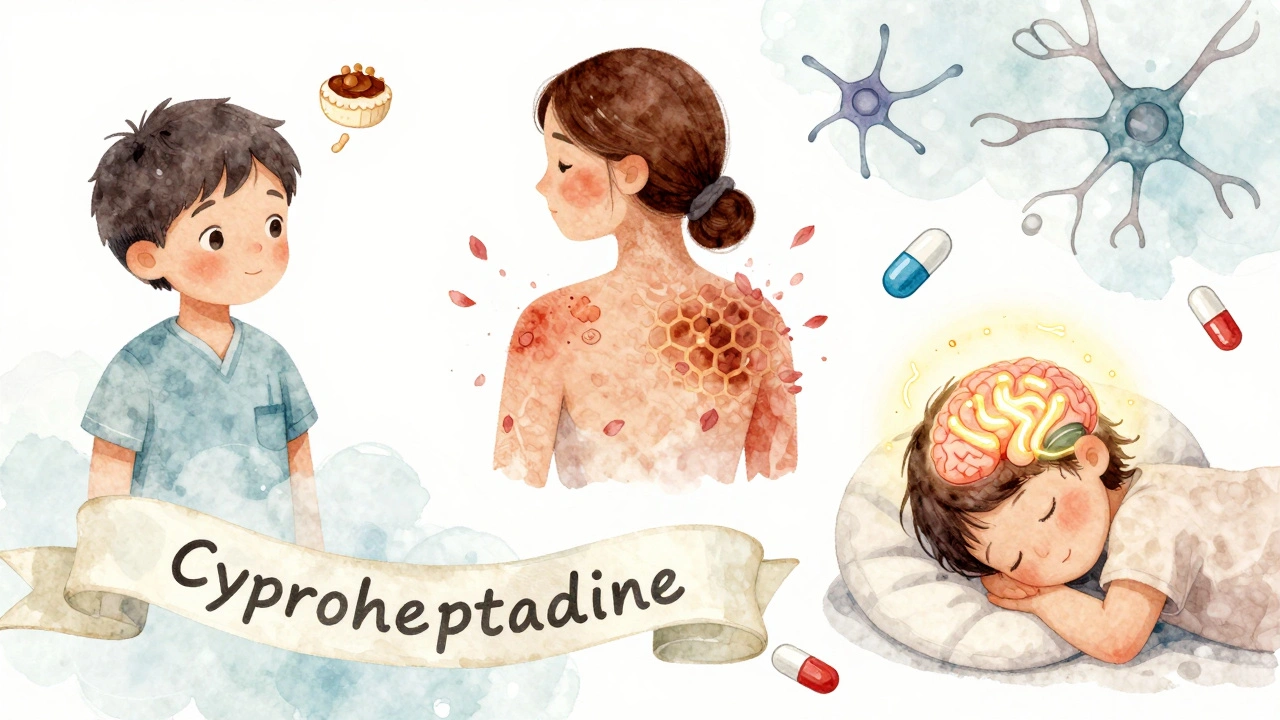
Periactin blocks histamine, the chemical your body releases during allergic reactions. That’s why it helps with sneezing, runny nose, and itchy eyes. But it also blocks serotonin and acetylcholine - two other brain chemicals. That’s where its other uses come from.
Blocking serotonin can reduce appetite suppression in some people. That’s why doctors sometimes prescribe it to help kids with poor appetite gain weight. It’s not a magic weight-gain pill. It works best when there’s a medical reason for low intake - like after chemotherapy, in kids with failure to thrive, or in people recovering from illness.
It’s also used for chronic hives that don’t respond to regular antihistamines. In some cases, it’s prescribed off-label for migraine prevention, especially in children. The serotonin-blocking effect is thought to calm overactive nerve pathways involved in headaches.
Who Gets Prescribed Periactin?
Most people who take Periactin fall into three groups:
- Children with poor appetite or failure to thrive
- Adults or teens with severe allergic reactions not controlled by other meds
- Patients with serotonin-related conditions like carcinoid syndrome or serotonin syndrome (as part of emergency treatment)
In Australia, it’s not a first-line treatment. Doctors usually try safer, newer antihistamines first. Periactin comes in when those don’t work - or when appetite stimulation is needed. It’s not approved for weight gain in healthy people. Using it for cosmetic reasons is dangerous and not recommended.
Dosing and How to Take It
Periactin comes as tablets or liquid. The dose depends on age, weight, and why it’s being used.
For children with poor appetite, doses usually start at 0.2 mg per kilogram of body weight per day, split into two or three doses. That’s about 2-4 mg total for a small child. The maximum daily dose is typically 12 mg for kids under 15, and 32 mg for adults.
It’s taken with food to reduce stomach upset. Because it causes drowsiness, many people take it at night. Don’t drive or operate heavy machinery until you know how it affects you. Alcohol makes the drowsiness worse.
It takes a few days to see results for appetite. For allergies, relief can come within an hour. For migraines, it may take weeks of daily use before you notice fewer headaches.
Side Effects You Should Know
Periactin isn’t a gentle drug. Its side effects are common and sometimes serious.
- Drowsiness - happens in up to 70% of users
- Dry mouth - very common, can lead to dental issues if not managed
- Constipation - due to its anticholinergic effect
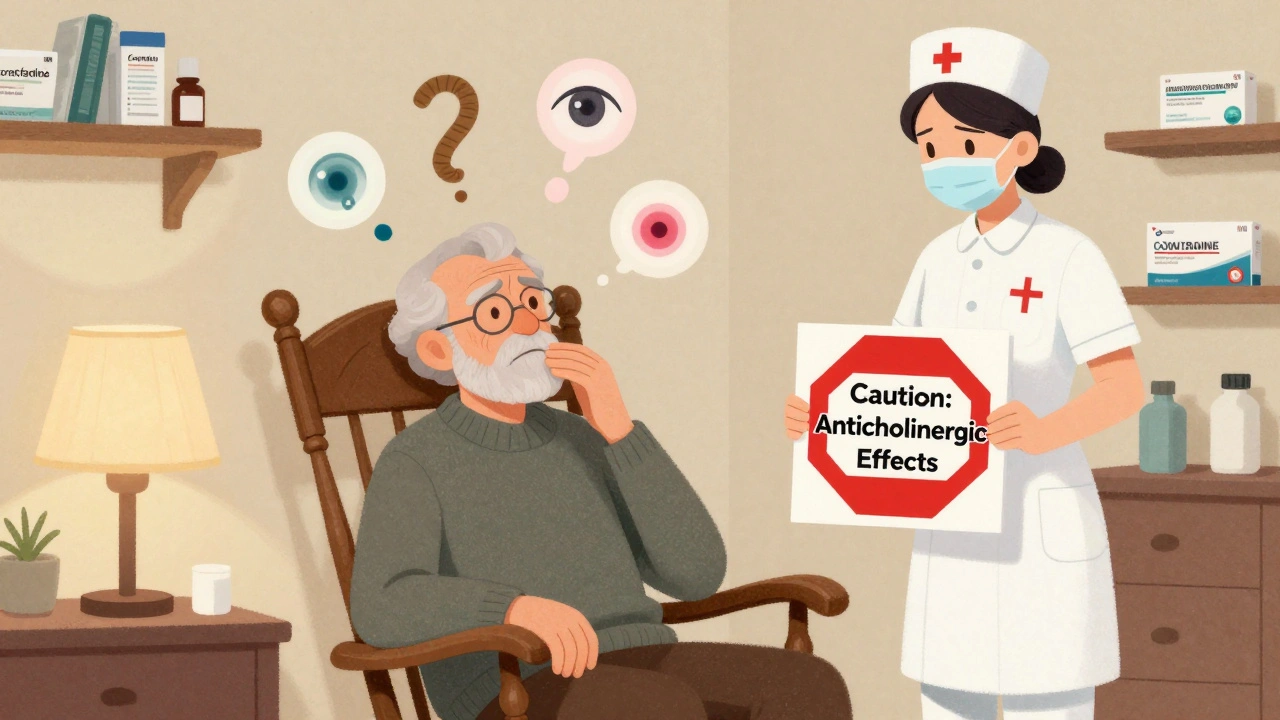
- Blurred vision - especially in older adults
- Increased appetite - intentional in some cases, risky in others
- Restlessness or confusion - more common in elderly patients
- Fast heartbeat or low blood pressure - rare but dangerous
Overdose can cause seizures, hallucinations, and coma. Never take more than prescribed. If someone takes too much, call emergency services immediately.
Who Should Avoid Periactin
Periactin isn’t safe for everyone. You should not take it if you:
- Have glaucoma - it can raise eye pressure
- Have trouble urinating due to an enlarged prostate
- Have asthma or other breathing problems - it can thicken mucus
- Are allergic to cyproheptadine or similar antihistamines
- Are taking MAO inhibitors (like phenelzine or selegiline) - this combination can cause life-threatening reactions
- Are under two years old - safety hasn’t been established
Older adults are more sensitive to its side effects. Falls, confusion, and urinary retention are common risks. Many doctors avoid prescribing it to people over 65 unless absolutely necessary.
Interactions With Other Drugs
Periactin interacts with many common medications. Always tell your doctor or pharmacist what else you’re taking.
- Other sedatives - alcohol, benzodiazepines, sleeping pills - make drowsiness worse
- Antidepressants - especially SSRIs and SNRIs - increase risk of serotonin syndrome
- Anticholinergics - like some bladder or Parkinson’s meds - can cause severe dry mouth, constipation, or confusion
- Stimulants - like ADHD meds - may be less effective because Periactin can counteract them
There’s no safe way to guess these interactions. Even over-the-counter cold medicines often contain antihistamines. Taking Periactin with those can lead to overdose.
Is Periactin Right for You?
Periactin isn’t a drug you pick off the shelf. It’s a tool for specific problems. If you’re considering it for appetite, ask: Is there a medical reason for low intake? Are other options tried? Is the risk of drowsiness or confusion worth the benefit?
If you’re using it for allergies, ask: Have I tried second-generation antihistamines like loratadine or cetirizine? They’re safer, non-sedating, and just as effective for most people.
If you’re using it for migraines, ask: Has my doctor ruled out other triggers like sleep, stress, or diet? Periactin isn’t a first-line migraine treatment in adults - it’s mostly used in kids when other options fail.
There’s no shame in using Periactin if it’s the right tool. But it’s not a cure-all. It’s a medication with clear limits and real risks.
Where to Get It and What It Costs
Periactin is available by prescription only in Australia. It’s listed on the Pharmaceutical Benefits Scheme (PBS), so if you have a Medicare card, you pay the subsidized price - around $30 for a 30-day supply. Without PBS, it can cost over $100.
Generic cyproheptadine is also available and just as effective. Many pharmacies will switch you to the generic unless your doctor specifies the brand. The generic works the same way and costs less.
Don’t buy Periactin online from overseas pharmacies. Many sites sell counterfeit or contaminated versions. The Therapeutic Goods Administration (TGA) warns against importing unapproved medicines.
What to Do If You Miss a Dose
If you forget a dose, take it as soon as you remember - unless it’s close to your next dose. Then skip the missed one. Never double up to make up for it.
Stopping Periactin suddenly isn’t dangerous, but if you’ve been using it for migraines or appetite, symptoms may return. Talk to your doctor before stopping, especially if you’ve been on it for more than a few weeks.
Alternatives to Periactin
Depending on your reason for taking it, there are often safer or more modern options.
For allergies: Loratadine (Claritin), cetirizine (Zyrtec), or fexofenadine (Telfast) are non-sedating and just as effective. No drowsiness, no weight gain, no dry mouth.
For appetite stimulation: Megestrol acetate (Megace) is sometimes used in adults with cancer-related appetite loss. But it has its own risks, like blood clots. For kids, nutritional counseling and high-calorie supplements often work better than drugs.
For migraines: Topiramate, amitriptyline, or propranolol are preferred for adults. In children, cyproheptadine is still used, but newer options like riboflavin or magnesium are being studied.
Periactin has a place - but only when other options don’t fit.
Can Periactin make you gain weight?
Yes, increased appetite is a known side effect of Periactin. That’s why doctors sometimes prescribe it to help underweight children or people recovering from illness gain weight. But it doesn’t burn fat or change metabolism - it just makes you hungrier. If you’re not underweight, using it to gain weight can lead to unhealthy fat gain and other health risks.
Is Periactin safe for long-term use?
Long-term use isn’t recommended unless absolutely necessary. The biggest risks are chronic drowsiness, cognitive fog, dry mouth leading to tooth decay, and constipation. In older adults, it can increase the risk of falls and confusion. Doctors usually monitor patients closely and try to taper off after a few months.
Can I take Periactin with other allergy meds?
No, you should not combine Periactin with other antihistamines, even over-the-counter ones. Doing so can lead to overdose symptoms like extreme drowsiness, confusion, fast heartbeat, or seizures. Always check labels for diphenhydramine, chlorpheniramine, or promethazine - these are common in cold and allergy products.
Does Periactin help with anxiety?
Periactin isn’t approved for anxiety. While its sedative effect might make you feel calmer, it doesn’t treat the root causes of anxiety. It’s not a substitute for therapy, SSRIs, or other anxiety medications. Using it for anxiety can delay proper treatment and increase side effect risks.
Is Periactin addictive?
Periactin is not considered addictive. You won’t develop cravings or withdrawal symptoms if you stop taking it. But your original symptoms - like allergies or poor appetite - may return. That’s not addiction; it’s the condition coming back. Always talk to your doctor before stopping any medication.
Comments
zac grant
Periactin’s serotonin blockade is actually pretty fascinating from a neuropharmacology standpoint. It’s one of those old-school drugs that accidentally stumbled into multiple therapeutic niches because of its promiscuous receptor binding. Not elegant, but effective when you’ve exhausted the safer options. The appetite stimulation isn’t magic-it’s just dampening the hypothalamic satiety signals. Still, I’d never touch it without monitoring liver enzymes and ECGs, especially in kids with comorbidities.
December 1, 2025 at 08:53
Joe Lam
Of course the medical community still clings to this 1960s relic. Modern antihistamines don’t turn patients into zombies or turn their mouths into deserts. If you’re prescribing Periactin for appetite, you’re not treating a condition-you’re bandaging a systemic failure with a chemical blunt instrument. And don’t get me started on the off-label migraine use in children. We’ve got evidence-based alternatives that don’t come with a side of cognitive fog.
December 3, 2025 at 08:22
Jenny Rogers
It is profoundly irresponsible to suggest that cyproheptadine may be used as an appetite stimulant in pediatric populations without first exhausting behavioral, nutritional, and developmental interventions. The anticholinergic burden imposed by this drug is not trivial-it carries with it a demonstrable increase in long-term dementia risk, even in young patients when used chronically. The fact that it remains on the PBS speaks less to efficacy and more to institutional inertia. Ethical prescribing demands we prioritize safety over convenience, and this drug fails that test in nearly every context.
December 5, 2025 at 01:59
Benjamin Sedler
So let me get this straight-you’re telling me a drug that makes you so sleepy you forget your own name is somehow okay for kids who won’t eat? Meanwhile, the real problem is that we’ve turned food into a battlefield instead of a comfort. I’ve seen toddlers who’d rather starve than sit still for a meal because their parents treat dinner like a hostage negotiation. Give them mashed avocado, a little time, and zero pressure. No pills needed. Also, anyone who thinks this is a ‘weight gain’ solution for adults is either delusional or trying to sell you something.
December 6, 2025 at 14:50
Gillian Watson
I’ve seen this work wonders for a friend’s daughter after chemo-she went from refusing food to asking for seconds in two weeks. Not magic, but it gave us breathing room while we rebuilt her routine. The drowsiness was rough at first, but we moved dosing to bedtime and it smoothed out. It’s not perfect, but sometimes the old tools are the ones that fit the hole when the new ones don’t.
December 7, 2025 at 09:21
Chad Handy
Look, I get that you want to sound like you know your pharmacology, but let’s be real-Periactin isn’t some villainous relic. It’s a tool, like a hammer. You don’t blame the hammer because someone used it to build a house instead of smashing a wall. The real issue is lazy prescribing, not the drug. I’ve had patients on SSRIs who developed chronic hives that nothing else touched. Periactin was the only thing that brought relief. And yes, they got sleepy. But they also slept better, ate better, and stopped scratching their skin raw. That’s not a side effect-it’s a trade-off. And if you’re going to judge someone for using it to help their kid gain weight after a year of hospitalizations, maybe check your privilege. Not everyone has access to dietitians, feeding therapists, or insurance that covers ten different second-line drugs before letting you try the one that actually works.
Also, the whole ‘it causes dementia’ thing? That’s based on long-term anticholinergic burden across multiple drugs over decades. One course of Periactin for three months in a child? Not even a blip on that radar. And if you’re worried about dry mouth, brush your teeth. It’s not rocket science. People act like this drug is a demon because it’s old and sedating, but we’ve got decades of clinical use backing it. If you want to replace it with something better, fine. But don’t pretend the alternatives are always safer or more effective. They’re not. And dismissing this as ‘1960s relic’ just shows you haven’t actually read the guidelines-just the marketing brochures.
Also, the idea that you’d never prescribe it without ECGs? That’s overkill. The risk of QT prolongation is minimal unless you’re stacking it with other QT-prolonging agents or giving it to someone with congenital long QT. Most kids on it don’t even need baseline labs. The real danger is when you don’t tell patients about the drowsiness and they drive. That’s on the prescriber, not the drug.
And for the record, I’ve seen more damage from patients being denied this because their doctor was too afraid to use it than from the drug itself. We’ve got a system that rewards caution over competence, and that’s the real problem.
Periactin doesn’t make you dumb. It makes you tired. Big difference. And tired is fixable. Dementia isn’t.
December 7, 2025 at 13:03
Dematteo Lasonya
My sister took this after her cancer treatment and it helped her eat again. She didn’t gain a ton of weight, but she stopped losing it. That was enough. The drowsiness was rough at first but we moved the dose to bedtime. She still takes it once a week just to keep her appetite steady. No drama, no addiction, just a quiet tool that worked when nothing else did. I’m glad it’s still around.
December 8, 2025 at 10:11
Bill Wolfe
Wow. So we’re just going to let a 1960s antihistamine with the side effect profile of a zombie apocalypse be the go-to for kids who won’t eat? 🤦♂️ Meanwhile, in the real world, we’ve got pediatric nutritionists, appetite-targeted peptides, and even appetite-stimulating probiotics in trials. But nope-let’s just keep handing out anticholinergic sedatives like candy because it’s cheap and the FDA didn’t ban it yet. 😒 The fact that this is still on the PBS is a national embarrassment. We’re not curing anything-we’re just drugging kids into compliance. 🚩
December 8, 2025 at 10:56
Write a comment