

Sulfonylurea Risk & Management Guide
Please select a medication and any applicable risk factors to see the personalized analysis.
Risk Profile: -
Management Strategy:
- The 15-15 Rule: If sugar drops below 70 mg/dL, eat 15g fast-acting carbs, wait 15 mins, and re-test.
- Monitoring: Consider a Continuous Glucose Monitor (CGM) for real-time alerts.
- Consistency: Maintain regular meal times to avoid "blind" insulin stimulation crashes.
Sulfonylureas is a class of antihyperglycemic medications that stimulate the pancreas to release more insulin. First developed in the 1950s, these drugs are still widely used today because they are incredibly effective at lowering HbA1c levels and are very affordable. However, unlike some newer medications that only work when your blood sugar is actually high, sulfonylureas tell your pancreas to pump out insulin regardless of whether you've eaten or not. This "blind" stimulation is exactly why they carry a higher risk of causing Hypoglycemia-a state where blood glucose levels drop below 70 mg/dL.
Why Some Sulfonylureas Are Riskier Than Others
Not all drugs in this family are created equal. If you feel like your blood sugar is swinging wildly, the specific medication you're on matters. The risk usually comes down to how long the drug stays in your system and how specific it is to the pancreas.Take Glyburide (also known as glibenclamide). It's a long-acting agent with a half-life of about 10 hours and active metabolites that keep it working in your body long after the dose is gone. Because it lingers, it's much more likely to cause "midnight lows." In contrast, Glipizide has a much shorter half-life of 2 to 4 hours, meaning it leaves your system faster and is less likely to cause a prolonged crash.
For those in Australia or Europe, Gliclazide is often a preferred choice. It's highly specific to the pancreatic beta cells, which means it doesn't interfere as much with other processes in the body, leading to a significantly lower risk of severe low blood sugar compared to glyburide.
| Medication | Half-Life | Risk Level | Key Characteristic |
|---|---|---|---|
| Glyburide | ~10 Hours | Higher | Long-acting; active metabolites linger |
| Glipizide | 2-4 Hours | Moderate/Low | Short-acting; faster clearance |
| Gliclazide | Variable | Lowest | High pancreatic specificity |
Recognizing the Warning Signs
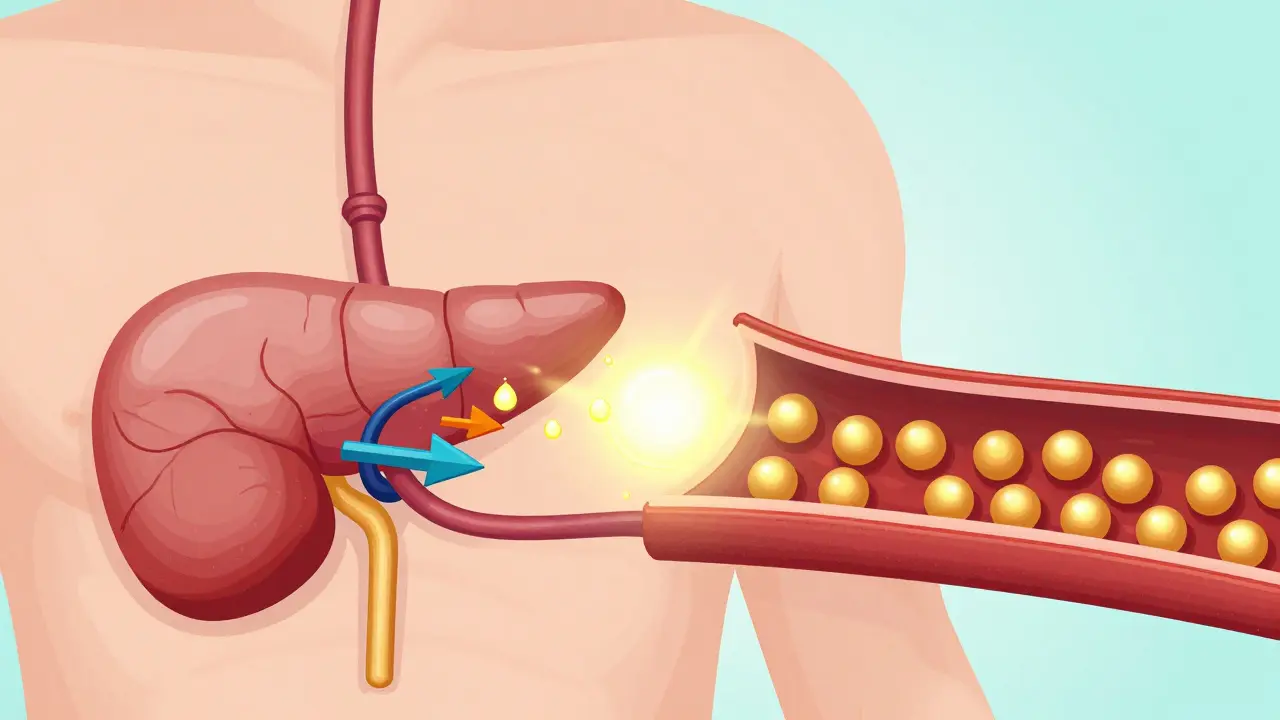
Low blood sugar doesn't always feel the same for everyone, but your body usually sends out a distress signal. About 85% of people experience sweating, and nearly 80% feel shakiness. You might also feel irritable or confused-which is why people around you might notice you're "off" before you even realize what's happening.If you're on a sulfonylurea, these symptoms are more likely to hit if you've skipped a meal, exercised more than usual, or taken a higher dose than prescribed. It's also a bit of a chemistry game in your blood. Some other medications can "bump" sulfonylureas off the proteins they usually bind to in your bloodstream. For instance, taking certain cholesterol meds like gemfibrozil can increase the amount of free drug in your system, effectively boosting the dose and spiking your risk of a crash.
Who Is Most at Risk?
Age and genetics play a huge role in how you react to these drugs. The American Geriatrics Society generally advises avoiding long-acting options like glyburide for people over 65. Why? Because as we age, our kidneys and liver don't clear medications as quickly, and our bodies aren't as good at fighting off a blood sugar drop.Interestingly, it's not just about age; it's in your DNA. There's a specific enzyme called CYP2C9 that handles the metabolism of these drugs. If you have certain genetic variants (specifically the *2 or *3 alleles), your body processes the medication much slower. This can lead to a 2.3-fold increase in the risk of hypoglycemia because the drug stays active in your system far longer than intended.
Practical Strategies to Prevent Lows
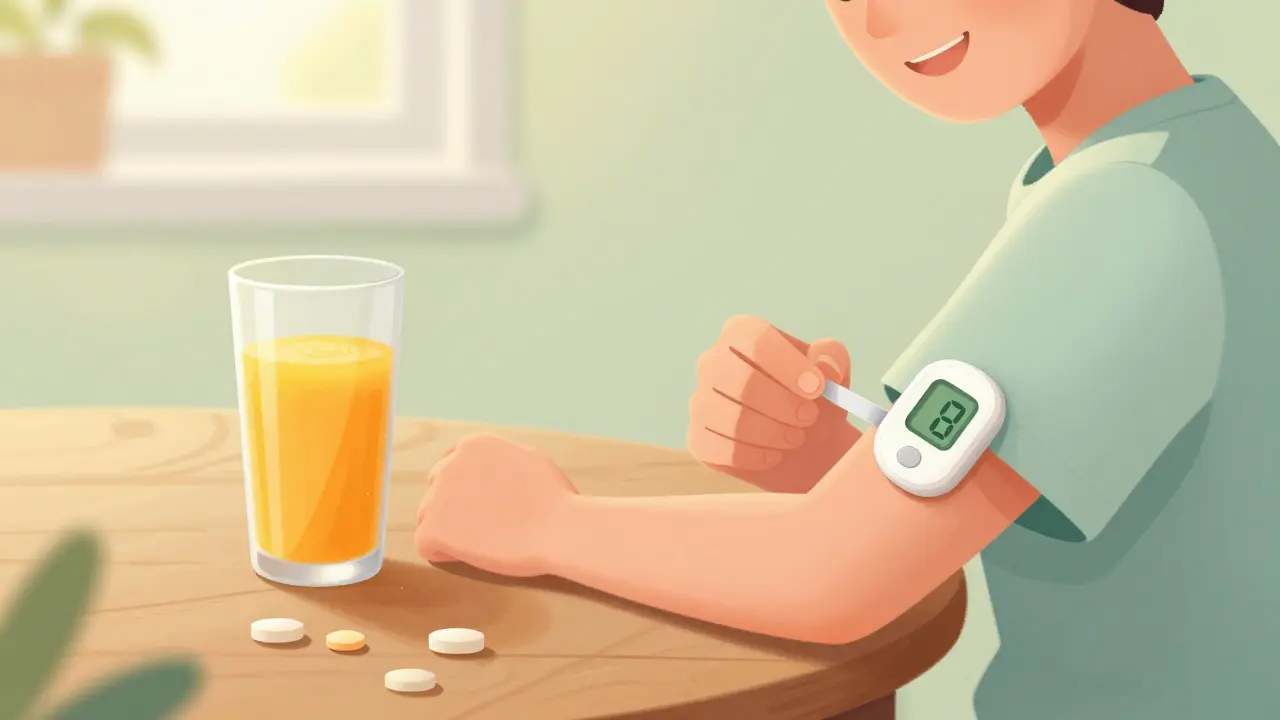
Preventing hypoglycemia isn't about avoiding the medication entirely-it's about smart management. The most effective approach starts with "start low and go slow." Most doctors now begin with a tiny dose and titrate upward slowly to see how the patient handles it.One of the best pieces of tech available today is Continuous Glucose Monitoring (CGM). Instead of a finger-prick once a day, a CGM gives you real-time data and alerts you when your sugar is trending downward. This allows you to eat a small snack *before* you hit the danger zone, rather than reacting once you're already shaking.
If you do feel a low coming on, remember the 15-15 rule: eat 15 grams of fast-acting carbohydrates (like 3-4 glucose tablets or a small glass of juice), wait 15 minutes, and check your sugar again. If it's still low, repeat the process.
Looking at the Bigger Picture: Modern Alternatives
While sulfonylureas are cheap and effective, the medical world is shifting. Newer classes of drugs, such as SGLT-2 Inhibitors and GLP-1 Receptor Agonists, have a much lower risk of hypoglycemia. This is because they don't force the pancreas to release insulin; instead, they help the body use insulin better or remove sugar through urine.However, for many, the cost of these newer drugs is prohibitive. This is why sulfonylureas remain a cornerstone of treatment for millions. The key is individualized care. Some patients do perfectly well on a low-dose sulfonylurea when paired with Metformin, while others may need to switch to a short-acting agent to avoid the dangerous "midnight lows."
Why do sulfonylureas cause low blood sugar more than other diabetes meds?
Most diabetes medications only work when your blood sugar is high. Sulfonylureas, however, stimulate the pancreatic beta cells to release insulin regardless of the current glucose level. This means they can continue to lower your blood sugar even if it is already in a normal or low range.
Is glyburide more dangerous than glipizide?
In terms of hypoglycemia risk, yes. Glyburide has a longer half-life and active metabolites that stay in the body longer, increasing the chance of severe low blood sugar episodes. Glipizide is cleared by the body more quickly, which generally leads to a lower incidence of hypoglycemia.
Can genetic testing help prevent hypoglycemia?
Yes, testing for CYP2C9 genetic variants can identify people who metabolize sulfonylureas slowly. Carriers of the *2 or *3 alleles may require 30-50% lower doses to achieve the same glucose control without risking a severe crash.
What should I do if I experience a severe low while on these drugs?
For mild to moderate lows, use the 15-15 rule: 15g of fast carbs and a 15-minute wait. For severe episodes where the person is unconscious or unable to swallow, emergency glucagon administration is required. Always notify your doctor after a severe episode so they can adjust your dosage.
Do I need to change my diet when taking sulfonylureas?
Consistency is key. Because these drugs stimulate insulin release, skipping meals or drastically reducing carbohydrate intake without consulting your doctor can trigger hypoglycemia. Aim for regular meal times and keep a fast-acting glucose source with you at all times.
Comments
Hudson Nascimento Santos
It is quite fascinating how the biological clock and pharmaceutical half-lives intersect to create such a precarious state of existence. The dichotomy between the affordability of these legacy drugs and the psychological toll of a 3 AM hypoglycemic crisis speaks volumes about the systemic priorities of modern medicine. We are essentially trading financial accessibility for a level of nocturnal anxiety that few can truly quantify unless they've lived through it. The transition toward SGLT-2 inhibitors is a logical progression, yet it highlights a widening gap in healthcare equity where only those with premium insurance can afford 'peace of mind.' One must wonder if the cost of a drug is measured solely in dollars or if the physiological cost of the side effects should be integrated into the price tag.
April 5, 2026 at 14:33
Joseph Rutakangwa
cgms are a total game changer for this
April 6, 2026 at 23:30
Rob Newton
Half-life is just a guideline. Some people crash way faster. Basic biology.
April 8, 2026 at 23:22
Lawrence Rimmer
Why are we still using 1950s tech in the 21st century? It's like driving a car with no brakes and hoping the road is flat. The whole concept of 'blind stimulation' of the pancreas is fundamentally flawed and honestly kind of barbaric when you think about the molecular level of the interaction. We pretend we've evolved, but our pharmacy shelves are basically museums of outdated chemical experiments. It's a joke.
April 9, 2026 at 20:12
The Charlotte Moms Blog
The lack of mention regarding the impact on cognitive function in children is absolutely appalling!!! Who is vetting this information??? My daughter's doctor literally told me a different story about glipizide!!! This is a disaster waiting to happen!!!
April 11, 2026 at 11:41
Aysha Hind
Big Pharma loves these 'affordable' options because they keep us trapped in a cycle of managing side effects instead of actually curing the root cause. The CYP2C9 thing is just a convenient way to make it seem like your DNA is the problem rather than the poisonous chemicals they're shoving down our throats. It's a curated narrative to keep us docile and shaking at 3 AM while they rake in billions from the 'newer' alternatives they've priced into the stratosphere. Absolute madness.
April 12, 2026 at 01:42
sophia alex
Imagine thinking any other country has a better healthcare system than the US 🙄 The innovation for CGMs happened here! We provide the gold standard of care while everyone else just copies our homework. It's honestly embarrassing that people even suggest switching to European alternatives when American biotech leads the world 💅🇺🇸
April 13, 2026 at 22:00
HARSH GUSANI
Indian doctors are the best in the world and we handle these meds way better than anyone else! 🇮🇳 You don't need fancy expensive drugs when you have proper discipline and a great medical system! 💊💪
April 14, 2026 at 01:32
Sakshi Mahant
It is heartening to see a discussion that acknowledges the global variety of these medications. In my experience, the balance between affordability and efficacy is a very delicate one in different cultural contexts. We should all respect the medical guidance provided by our local practitioners while staying open to these scientific insights.
April 15, 2026 at 20:07
Branden Prunica
OH MY GOD the description of the 3 AM sweat is literally my entire life! I woke up last Tuesday and I genuinely thought I was having a spiritual awakening or a heart attack because I was shaking so hard! It's a total nightmare! I can't even imagine the horror of someone not knowing the 15-15 rule while their brain is basically shutting down! Absolute chaos!
April 17, 2026 at 11:05
Dipankar Das
YOU MUST ADHERE TO THE 15-15 RULE WITH ABSOLUTE PRECISION OR YOU ARE JEOPARDIZING YOUR ENTIRE HEALTH REGIMEN! There is no room for error when dealing with glucose levels! You will follow the guidelines and you will monitor your sugar with the utmost discipline if you wish to see improvement in your condition!
April 18, 2026 at 13:15
Hope Azzaratta-Rubyhawk
I strongly insist that everyone reading this immediately contacts their provider to discuss the CYP2C9 variant! It is an absolute necessity to be proactive about your genetic predispositions! Do not let your health slide due to negligence! Be aggressive in pursuing the best possible care for your specific biological makeup!
April 18, 2026 at 17:32
Write a comment