
Benzodiazepine Risks: What You Need to Know About Long-Term Use and Withdrawal
When you take a benzodiazepine, a class of central nervous system depressants used for anxiety, insomnia, and seizures. Also known as benzos, they work by boosting GABA, the brain’s main calming chemical. But over time, your brain adapts—and that’s where the real risks start.
Many people start with a short prescription for a panic attack or trouble sleeping, but what happens after 3, 6, or 12 months? The body builds tolerance. You need more to get the same effect. Then comes dependence. Stopping suddenly isn’t just uncomfortable—it can trigger seizures, hallucinations, or even death. benzodiazepine withdrawal, a medically recognized syndrome caused by abrupt discontinuation after regular use is often misunderstood. It’s not "just anxiety coming back." It’s your nervous system in shock. And the longer you’ve been on them, the harder it gets. People who’ve taken benzos for years report brain fog, muscle pain, ringing ears, and extreme sensitivity to light and sound that lasts months. This isn’t rare. It’s predictable.
Who’s most at risk? Older adults. People with a history of substance use. Anyone taking them daily for more than a few weeks. Even if you’re not "addicted," your brain changes. Studies show long-term use links to higher risk of dementia, falls, and memory loss. And here’s the catch: doctors often don’t warn you. They write the script, you refill it, and years later, you’re stuck. The long-term benzo use, continuous daily intake beyond recommended guidelines, typically more than 2-4 weeks is so common, it’s become normalized. But it doesn’t have to be.
You don’t have to stay on them forever. Safe tapering—slowing down the dose over weeks or months under medical supervision—can help you get off without crisis. It’s not easy, but thousands have done it. The key is planning, support, and patience. Some people switch to non-addictive alternatives like SSRIs for anxiety or CBT for sleep. Others use magnesium, melatonin, or mindfulness to ease the transition. What works for one person won’t work for another. That’s why understanding your own risks matters.
In this collection, you’ll find real, practical guides on how benzos affect your body, how to recognize signs of dependence, what withdrawal really feels like, and how others have safely reduced or stopped their use. No fluff. No sales pitches. Just clear, evidence-backed info to help you make smarter choices about your health.
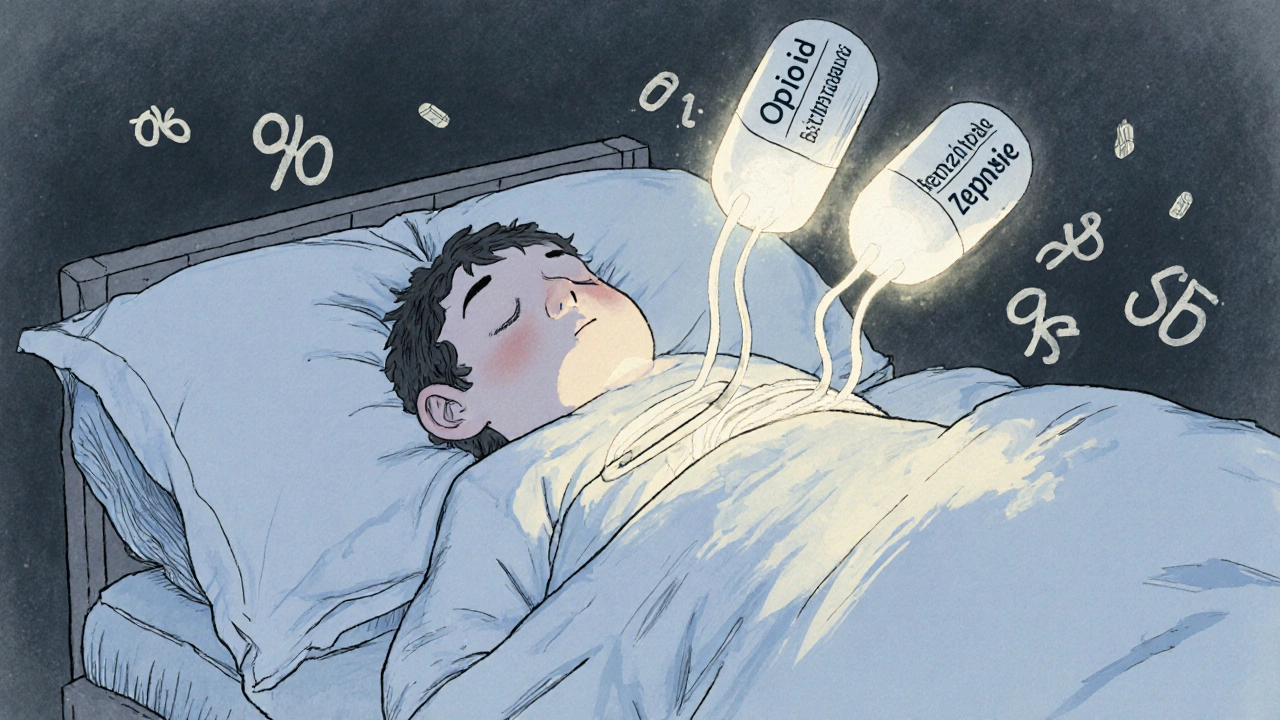
Taking opioids and benzodiazepines together can stop your breathing-even at normal doses. Learn why this combination is deadly, who’s at risk, and what to do if you’re already on both.