
Safe Drug Storage: How to Keep Medications Effective and Out of Harm's Reach
When you think about safe drug storage, the practice of keeping medications in conditions that preserve their strength and prevent accidental access. Also known as medication safety, it's not just about putting pills in a cabinet—it's about protecting your health, your family, and your money. A study from the CDC found that over 60% of accidental poisonings in children under six involve medicines found at home. That’s not a statistic—it’s a real risk every household faces.
Where you store your meds matters more than you think. The bathroom cabinet? Bad idea. Heat and moisture from showers break down pills and liquids faster. The kitchen counter? Tempting for kids and visitors. The right place is cool, dry, and out of reach—like a high closet shelf in a bedroom. childproof storage, using locked containers or cabinets that prevent young children from accessing medicines isn’t optional if you have toddlers or curious teens. Same goes for expired medications, drugs past their use-by date that can lose potency or even become harmful. Don’t toss them in the trash or flush them—take them to a pharmacy drop-off. Many people don’t realize that leftover opioids or antibiotics sitting in a drawer are a magnet for misuse.
Temperature isn’t the only factor. Light can degrade certain drugs, like nitroglycerin or thyroid meds. Some pills need refrigeration—check the label. And never mix different drugs in the same container. A pill organizer is fine for daily use, but keep the original bottles for reference and safety warnings. drug safety, the set of practices that prevent misuse, accidental ingestion, and loss of effectiveness includes knowing what each pill is for, who it’s prescribed to, and when it was last refilled. If you’re unsure, call your pharmacist. They’ve seen it all.
What you’ll find in the posts below are real-world guides on handling common mistakes—like keeping insulin in the glovebox, storing painkillers next to the toothpaste, or ignoring expiration dates on allergy meds. You’ll learn how to spot signs your meds have gone bad, how to dispose of them safely, and why some drugs need special handling. No fluff. Just clear, practical steps to keep your medicine cabinet working for you—not against you.
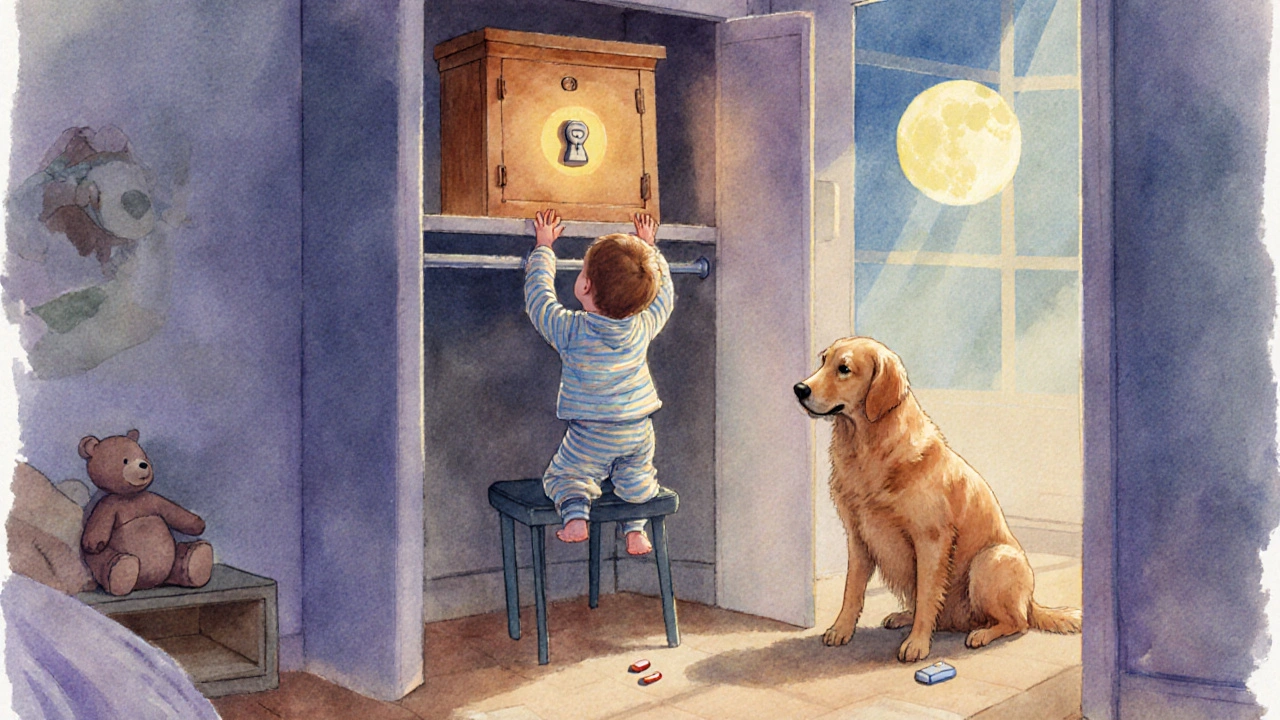
Learn how to safely store medications to prevent accidental poisoning in children and pets. Simple, proven steps to lock, separate, and secure all drugs in your home.