
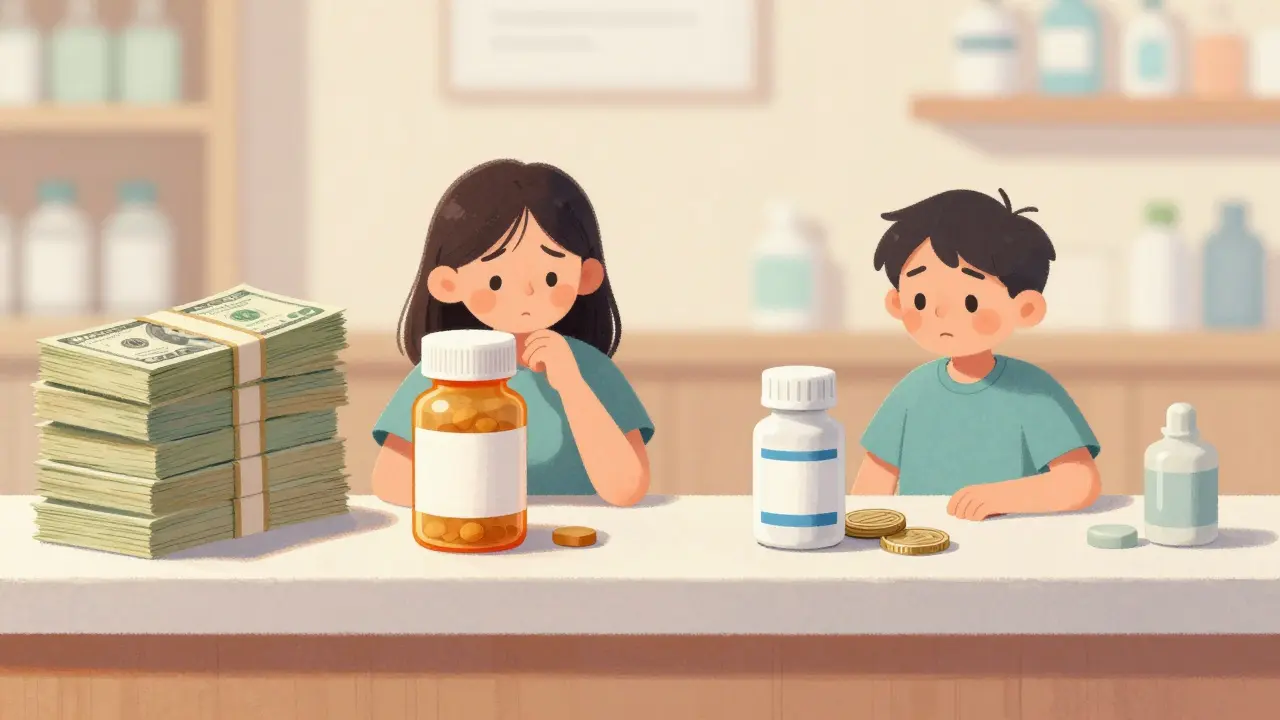
Imagine needing a life-saving drug, but it costs $1,000 a month. Now imagine a generic version available for $10. That's the reality for millions, and it all comes down to international patent rules like the TRIPS Agreement.
What is the TRIPS Agreement?
TRIPS Agreement is a worldwide legal framework that sets minimum standards for intellectual property protection across countries. It was created in 1994 as part of the Uruguay Round negotiations and took effect in 1995. Administered by the World Trade Organization (WTO), which has 164 member countries, it covers patents, copyrights, trademarks, and other IP rights. For medicines, TRIPS requires 20 years of patent protection from filing date.
This agreement transformed global healthcare. Before TRIPS, countries like India didn't grant product patents for drugs. They made generic versions of HIV medications for $1 a day. After TRIPS, those same drugs cost $1,000 a month in many places. Patent rules became the main barrier between patients and life-saving treatments.
How TRIPS blocks affordable medicines
TRIPS forces countries to protect pharmaceutical patents for 20 years. During that time, companies charge high prices without competition. This hits hardest in low- and middle-income countries (LMICs). The World Health Organization (WHO) reports 2 billion people lack regular access to essential medicines, with patent barriers causing 80% of this gap in LMICs.
For example, a patented cancer drug might cost $100,000 a year in the U.S. but $500,000 in Africa due to import restrictions. Generic versions could cut that to $500, but TRIPS makes producing them illegal without special permission. This isn't just about money-it's about lives. In 2022, the global pharmaceutical market reached $1.42 trillion, yet 89% of U.S. prescriptions use generics while only 28% of LMICs do.
Key flexibilities: Compulsory licensing and the Doha Declaration
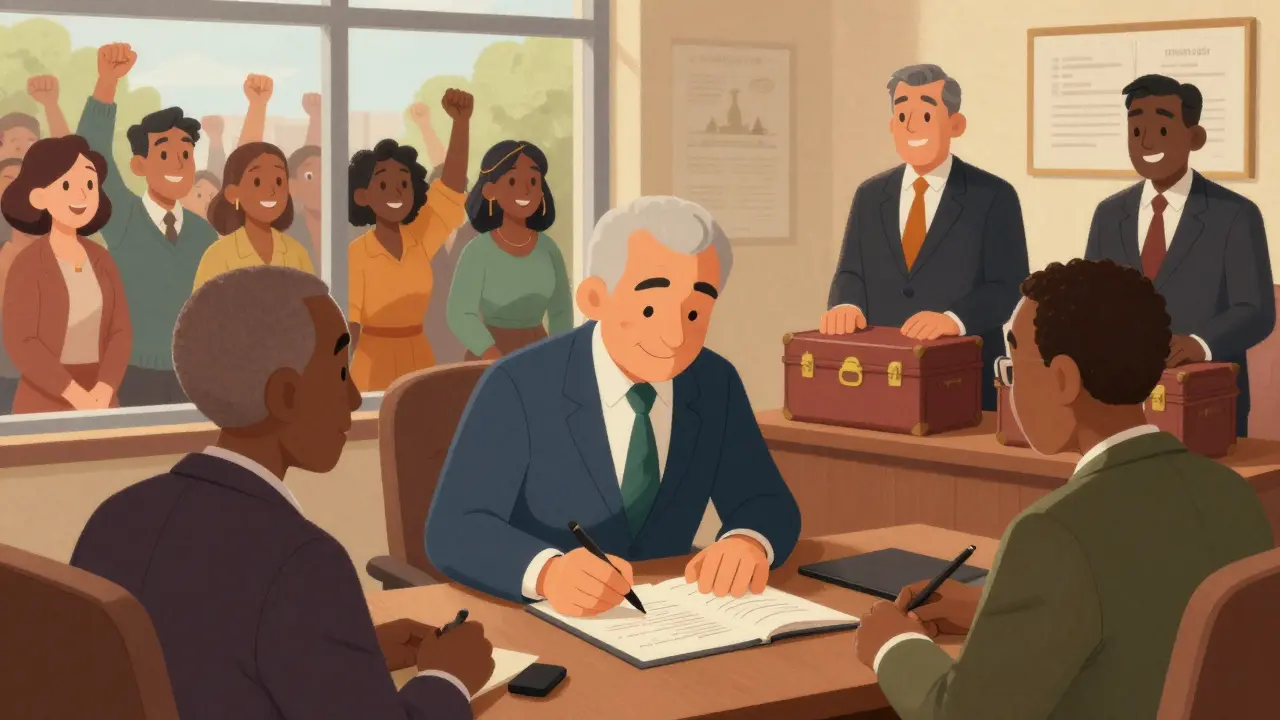
TRIPS includes "flexibilities" meant to help during health crises. The biggest tool is compulsory licensing. This lets governments authorize generic production without the patent holder's permission during emergencies. The Doha Declaration (2001) confirmed countries can use this for public health needs.
But there's a catch. The original TRIPS rule (Article 31f) says compulsory licenses must be "predominantly for the domestic market." This blocked countries without drug factories from importing generics. The Article 31bis system (2005 amendment) tried to fix this by allowing cross-border trade of licensed generics. However, the process is so complex it's been used only once: Rwanda imported HIV medication from Canada in 2012 after four years of paperwork.
Real-world challenges and examples
Here's how countries have navigated TRIPS rules:
- South Africa: In 1997, the country passed a law allowing generic imports and compulsory licensing for HIV drugs. Pharmaceutical companies sued, but withdrew the lawsuit after global protests. By 2008, treatment costs dropped from $10,000 to $87 per patient annually.
- Thailand: In 2006-2008, Thailand issued compulsory licenses for HIV, heart disease, and cancer drugs. Prices fell by 30-80%, but the U.S. imposed trade sanctions, costing $57 million in annual export losses.
- Rwanda: In 2012, Rwanda became the only country to use the Article 31bis system. It imported HIV medication from Canada after 4 years of complex negotiations. The final price was still 30% higher than if Rwanda had domestic manufacturing.
A 2019 study found 92% of LMICs lack dedicated staff to handle compulsory licensing. Many countries avoid using flexibilities due to fear of political retaliation. Between 2007-2015, the UN documented 423 trade retaliation threats against countries considering compulsory licensing.
Current developments and reforms
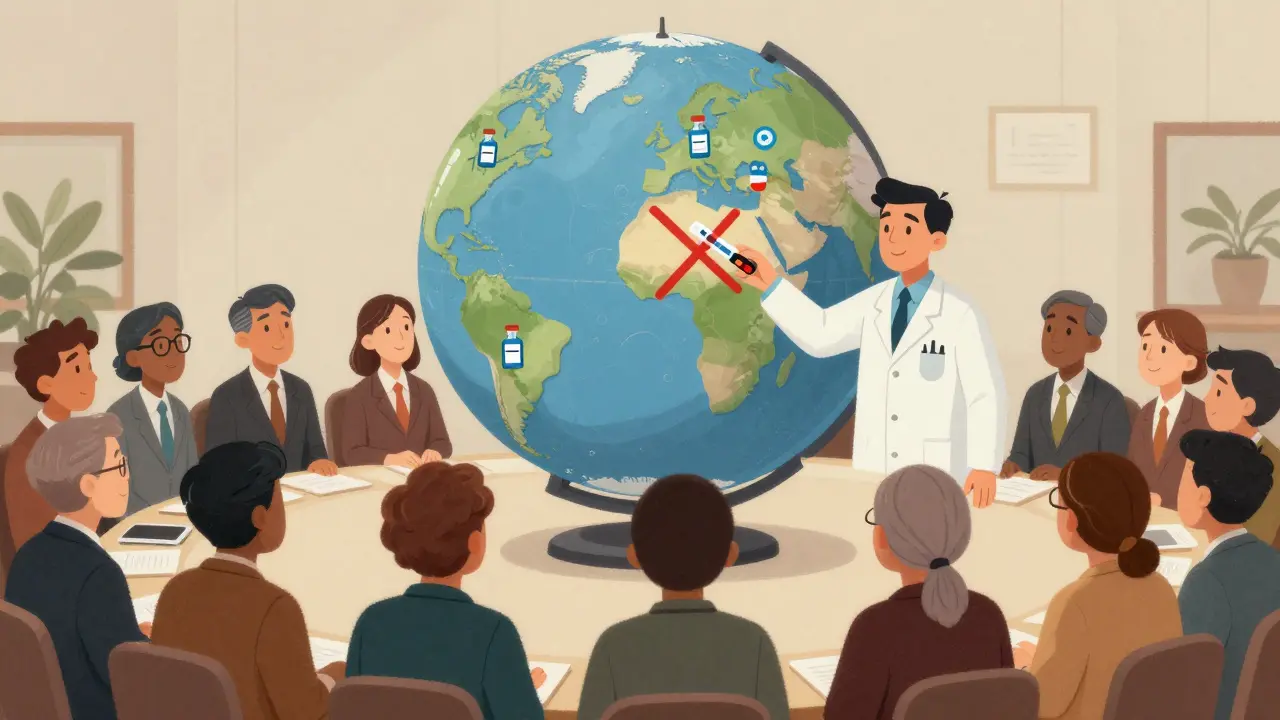
The pandemic brought new pressure. In October 2020, India and South Africa proposed a TRIPS waiver for COVID-19 vaccines and treatments. The WTO approved a limited version in June 2022, but it only covers vaccines-not diagnostics or therapeutics. The UN's September 2024 pandemic meeting called for "reform of the TRIPS Agreement to ensure timely access to health technologies during health emergencies."
Organizations like the Medicines Patent Pool (MPP) have helped. By 2022, MPP covered 118 LMICs with generic HIV drugs, but only 44 patented medicines total. Meanwhile, "TRIPS-plus" clauses in trade deals (like the U.S.-Jordan agreement) extend patent terms by 4.7 years on average, reducing generic competition by $2.3 billion yearly across 34 LMICs.
Frequently Asked Questions
What is the TRIPS Agreement?
The TRIPS Agreement is a World Trade Organization (WTO) treaty that sets minimum standards for intellectual property rights globally. Established in 1995, it requires member countries to enforce patent protections for pharmaceuticals for 20 years, which affects access to affordable medicines.
How does TRIPS affect generic drug prices?
TRIPS mandates 20 years of patent protection for medicines, blocking generic competition during that time. For example, a patented HIV drug might cost $10,000 per patient yearly in the U.S., while generic versions could be as low as $87. Without TRIPS flexibilities, many countries pay 10-100x more for essential medicines.
What are TRIPS flexibilities?
TRIPS flexibilities are legal tools allowing countries to bypass patent rules during health emergencies. Key examples include compulsory licensing (for generic production) and the Article 31bis system (for cross-border imports). The Doha Declaration confirmed these flexibilities apply to public health crises.
Why don't more countries use compulsory licensing?
Complex procedures and political pressure discourage use. A 2017 study found 83% of surveyed LMICs never issued a compulsory license due to fears of trade sanctions. The process requires legal expertise, government coordination, and often involves months of negotiations with patent holders and WTO bodies.
What happened with the COVID-19 vaccine waiver?
In 2022, the WTO approved a limited TRIPS waiver for COVID-19 vaccines, allowing some countries to produce generics without patent holder consent. However, it excludes treatments and diagnostics, and only covers vaccines for 5 years. Critics argue this is too narrow to address future pandemics effectively.
Comments
Eric Knobelspiesse
trips is such a mess. 20 years of patents means drugs cost thousands when generics could be pennies. but hey, maybe innovation needs protection? idk. just feels like the system's rigged for pharma. people die waiting for meds. this isn't just about money, it's about lives. but yeah, capitalism i guess. lol.
February 5, 2026 at 21:47
Heather Burrows
well, patents are supposed to incentivize innovation. without them, companies wouldn't invest in R&D. but yeah, maybe there's a balance. but honestly, i'm not sure. it's complicated.
February 6, 2026 at 04:10
Savannah Edwards
i've been thinking about this for a while. the trips agreement was supposed to create a fair playing field for intellectual property, but it's really created a system where wealthy nations and corporations hold all the cards. when you look at how it affects healthcare, it's heartbreaking. millions of people can't afford essential medicines because of patent protections. it's not just about the money-it's about lives. for example, in countries like india and south africa, they tried to use compulsory licensing to make HIV drugs affordable, but they faced huge pushback from pharmaceutical companies. the doha declaration was supposed to help, but the process is so complicated that few countries can actually use it. and let's not forget the 'trips-plus' clauses in trade deals that extend patent terms even further. it's like the system is designed to keep drugs expensive. i mean, think about it: a drug that costs $100,000 a year in the us could be made for $500 with generics, but the patent rules prevent that. and then there's the whole issue of how lmics don't have the resources to navigate the legal complexities of compulsory licensing. it's a mess. we need a complete overhaul of how intellectual property is handled in healthcare. otherwise, this inequality will keep getting worse. it's not just about economics-it's about basic human rights. how can we say we care about health when people are dying because they can't afford medicine? this isn't just a policy issue; it's a moral crisis. we need to push for reforms that prioritize people over profits. seriously, how is this still a thing in the 21st century? it's time to act.
February 6, 2026 at 22:30
Mayank Dobhal
this is insane. people are dying because of patent laws. we need to change this immediately.
February 7, 2026 at 13:42
Marcus Jackson
actually, it's more nuanced. the trips agreement does have flexibilities like compulsory licensing, but the problem is countries don't use them because of political pressure. the us and eu often threaten trade sanctions. so it's not just about the rules-it's about enforcement. but yeah, the system is flawed.
February 8, 2026 at 04:51
Natasha Bhala
fix this now
February 9, 2026 at 07:39
Gouris Patnaik
india should have never agreed to trips. we could have made our own rules. now we're stuck because of this. pharma companies are laughing at us.
February 10, 2026 at 22:32
Jesse Lord
this is why we need to talk about it more. everyone deserves access to medicine. it's not just a policy issue it's a human rights issue. we need to push for change
February 12, 2026 at 03:41
AMIT JINDAL
well, as a global citizen, i must say that the trips agreement is a necessary evil. yes, there are flaws, but without intellectual property protection, innovation would grind to a halt. 🤔 however, the solution isn't to dismantle trips entirely but to enhance the flexibilities. for instance, improving the article 31bis system would allow for smoother cross-border licensing. but let's not forget that the real issue is the lack of investment in generic manufacturing capacity in lmics. 🌍 without that, even if we waive patents, production won't happen. so, we need a multi-pronged approach. 😊
February 13, 2026 at 21:38
Catherine Wybourne
oh, sure, let's just 'enhance the flexibilities' and 'invest in manufacturing'-because that's exactly what's been happening for decades. 🙄 but hey, maybe if we all just donated a few billion dollars, we'd be fine. seriously though, the system is broken, and pretending it's not is what's keeping us stuck. time to stop being polite and start demanding real change.
February 15, 2026 at 02:57
Write a comment