
Adverse Drug Reactions: What They Are, Why They Happen, and How to Stay Safe
When you take a medicine, you expect it to help—not hurt. But adverse drug reactions, unintended and harmful responses to medications at normal doses. Also known as drug side effects, they can range from a mild rash to breathing trouble or organ damage. These aren’t just rare accidents. Millions of people experience them every year, and many go unreported because they’re mistaken for something else—like a cold, the flu, or just feeling "off."
Not all adverse drug reactions are the same. Some are predictable, like drowsiness from an antihistamine or stomach upset from an NSAID. Others are sneaky—like a drug that quietly lowers your white blood cell count or triggers a dangerous spike in blood pressure. drug interactions, when two or more medications react in your body in harmful ways. Also known as medication clashes, they’re behind many of the most serious reactions. Think of warfarin and ibuprofen together doubling your bleeding risk, or opioids and benzodiazepines slowing your breathing to a stop. These aren’t theoretical risks—they’re documented, preventable tragedies.
And then there’s the allergic reactions, immune system overreactions to drugs that can escalate quickly. Also known as hypersensitivity responses, they’re often mislabeled. People say they’re "allergic to penicillin" because they got a rash as a kid—but 90% of them aren’t. That mislabel leads to worse drugs being used, higher costs, and more side effects. Testing can clear that up. Meanwhile, some reactions aren’t allergic at all—they’re just your body’s way of saying, "This isn’t right." That’s why knowing your own body matters. Did you start a new pill and suddenly feel dizzy, swollen, or unusually tired? That’s not normal. It’s not "just stress." It could be your body signaling a reaction.
What makes this even trickier is that many reactions don’t show up right away. Some take days. Others take months. Weight gain from steroids. Liver damage from long-term painkillers. Nerve damage from antibiotics. These aren’t always listed clearly on the bottle. That’s why checking in with your pharmacist after each new prescription isn’t optional—it’s essential. They’re trained to spot hidden risks you might miss.
And it’s not just about the drug itself. Your age, your other conditions, your diet, even your genetics can change how your body handles a medicine. A drug that’s safe for one person could be dangerous for another. That’s why one-size-fits-all prescribing doesn’t work. You need to be part of the conversation. Ask: "What are the real risks?" "What should I watch for?" "What happens if I stop?"
The posts below cover real cases, real mistakes, and real fixes. You’ll find stories about how people caught dangerous interactions before it was too late. You’ll learn how to recognize early warning signs of a reaction you didn’t know existed. You’ll see how testing for penicillin allergies can open up safer treatment options. And you’ll understand why pharmacist counseling isn’t just a formality—it’s your last line of defense.
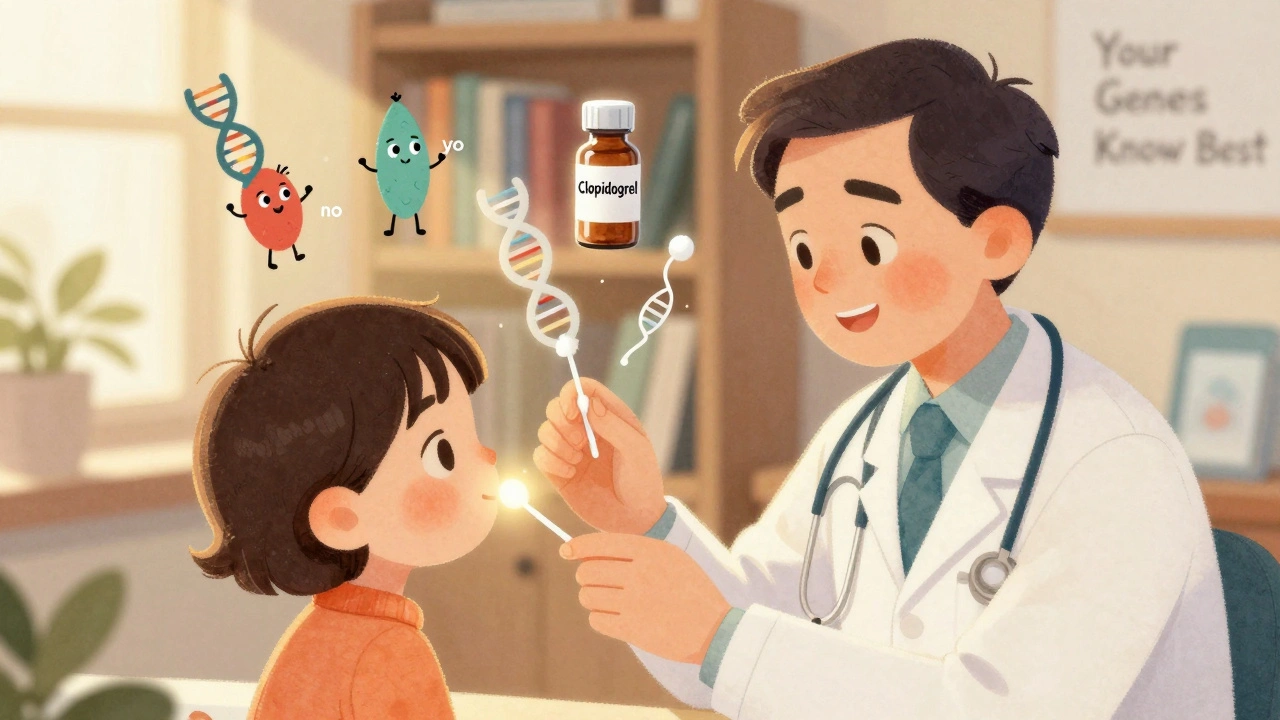
Pharmacogenetic testing analyzes your genes to predict how you'll respond to medications, preventing dangerous side effects. Studies show it cuts adverse drug reactions by 30%, saving lives and healthcare costs.