
Authorized Generics: What They Are and Why They Matter for Your Health
When you hear authorized generics, brand-name drugs sold under a generic label by the original manufacturer, often at a lower price. Also known as brand-name generics, they are chemically identical to the original drug but sold without the brand name or marketing costs. Unlike regular generics, which are made by different companies, authorized generics come straight from the same factory, on the same生产线, using the same ingredients and processes as the brand-name version. That means no guesswork—what you get is exactly what the brand sells, just cheaper.
This matters because not all generics are created equal. While the FDA requires all generics to meet strict bioequivalence standards, some patients still notice differences in how they feel—sometimes due to inactive ingredients, sometimes due to perception. Authorized generics cut through that noise. If you’ve ever switched to a generic and felt like it didn’t work the same, an authorized generic might be the fix. They’re especially helpful for drugs with narrow therapeutic windows, like warfarin or levothyroxine, where tiny changes can make a big difference.
Authorized generics exist because of patent laws and market dynamics. When a brand-name drug’s patent expires, the original maker can launch its own generic version to keep market share. This isn’t a loophole—it’s a legal strategy that benefits consumers by adding competition early. You’ll often see them on pharmacy shelves labeled with the brand name followed by "(generic)" or just the active ingredient. They’re not cheaper because they’re lower quality—they’re cheaper because the company doesn’t spend millions on ads or fancy packaging.
Related to this are generic drugs, medications approved by the FDA as therapeutically equivalent to brand-name drugs. Also known as non-branded generics, they’re made by third-party manufacturers and must prove they deliver the same amount of active ingredient into your bloodstream at the same rate. But here’s the catch: even if they’re approved, they might come from different factories, use slightly different fillers, or be produced under different quality controls. That’s where authorized generics stand out—they’re the brand-name drug in a plain bottle.
And then there’s the FDA approval, the rigorous process that ensures all drugs, brand or generic, meet safety and effectiveness standards. Also known as ANDA review, it’s the backbone of trust in the U.S. drug supply. The FDA doesn’t just check the pill’s ingredients—they inspect the factory, test batches, and monitor for consistency. Authorized generics go through the same process, just under a different label. This is why you can trust them. You’re not taking a risk—you’re getting the same medicine your doctor prescribed, just without the brand name markup.
What you’ll find in the articles below are real stories and facts about how these drugs reach you, why some people doubt generics, how insurance pushes substitution, and how to make sure you’re getting the right version for your body. Some posts explain how patent fights delay access. Others show how pharmacists help you confirm you’re getting what you need. There’s even one on how your beliefs about generics can change how well they work—even if the pill is identical. This isn’t theory. It’s what’s happening in pharmacies, clinics, and homes across the country. You’re not alone if you’ve wondered whether you’re getting the same medicine. The answers are here, plain and simple.

Learn exactly when pharmacists should recommend authorized generics over brand names, covering clinical scenarios, identification methods, and reimbursement rules.
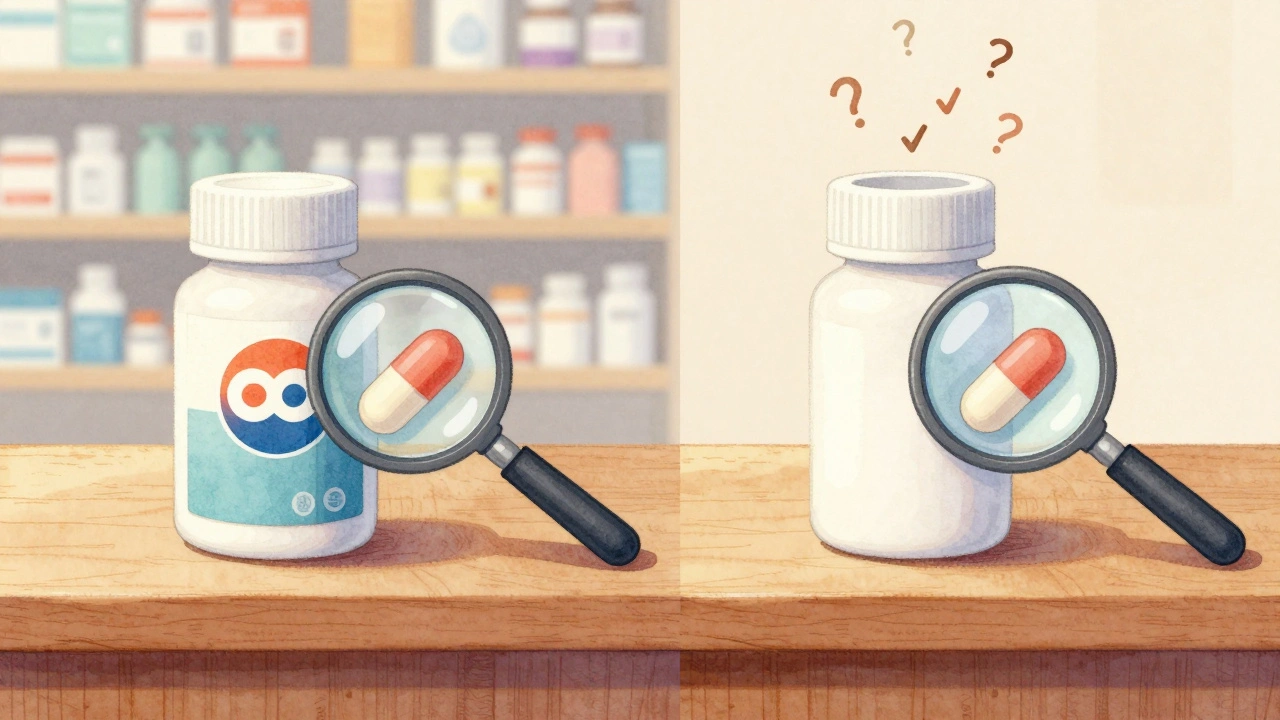
Authorized generics are the exact same medication as brand-name drugs-same ingredients, same factory, same FDA standards. Learn why they’re just as effective, often cheaper, and how to ask for them at the pharmacy.