
Biliary Colic: Causes, Triggers, and How to Manage the Pain
When you feel a sharp, gripping pain under your right ribs that comes on fast and won’t let up, it might be biliary colic, a painful condition caused by gallstones blocking the bile duct. Also known as a gallbladder attack, it’s not just a stomach ache—it’s your body signaling that something’s stuck where it shouldn’t be.
Biliary colic happens when a gallstone, a hard deposit formed in the gallbladder from cholesterol or bile salts moves into the bile duct and gets stuck. This blocks the flow of bile, which your liver makes to digest fats. The muscle in the duct contracts hard trying to push it through, and that’s what causes the pain. It usually hits after a fatty meal—think fried chicken, pizza, or heavy cream sauces. The pain doesn’t come and go with gas or indigestion; it lasts 30 minutes to several hours, often waking you up at night.
Most people with biliary colic don’t realize it’s not just "bad digestion." Many try antacids or heat packs, but those won’t fix the root problem. The real solution isn’t just pain relief—it’s understanding whether you need to change your diet, monitor the stones, or consider removing the gallbladder. About 80% of people with gallstones never have symptoms, but if you’ve had one attack, you’re likely to have more. And each one increases your risk of complications like infection or pancreatitis.
What you’ll find in these articles isn’t just theory—it’s what works. You’ll see how bile duct, the tube that carries bile from the liver and gallbladder to the small intestine blockages show up in imaging, why some people get stones and others don’t, and how diet changes can reduce future attacks. You’ll also learn about medications that dissolve stones (they’re slow and not for everyone), what to ask your doctor before surgery, and how to tell if your pain is something more serious like cholecystitis. These aren’t generic tips—they’re based on real cases, clinical guidelines, and patient experiences.
If you’ve been told "it’s just gas" or "you’re probably stressed," but the pain keeps coming back, you’re not imagining it. Biliary colic is real, common, and treatable. The articles below give you the facts—no fluff, no fearmongering—just what you need to know to take control before the next attack hits.
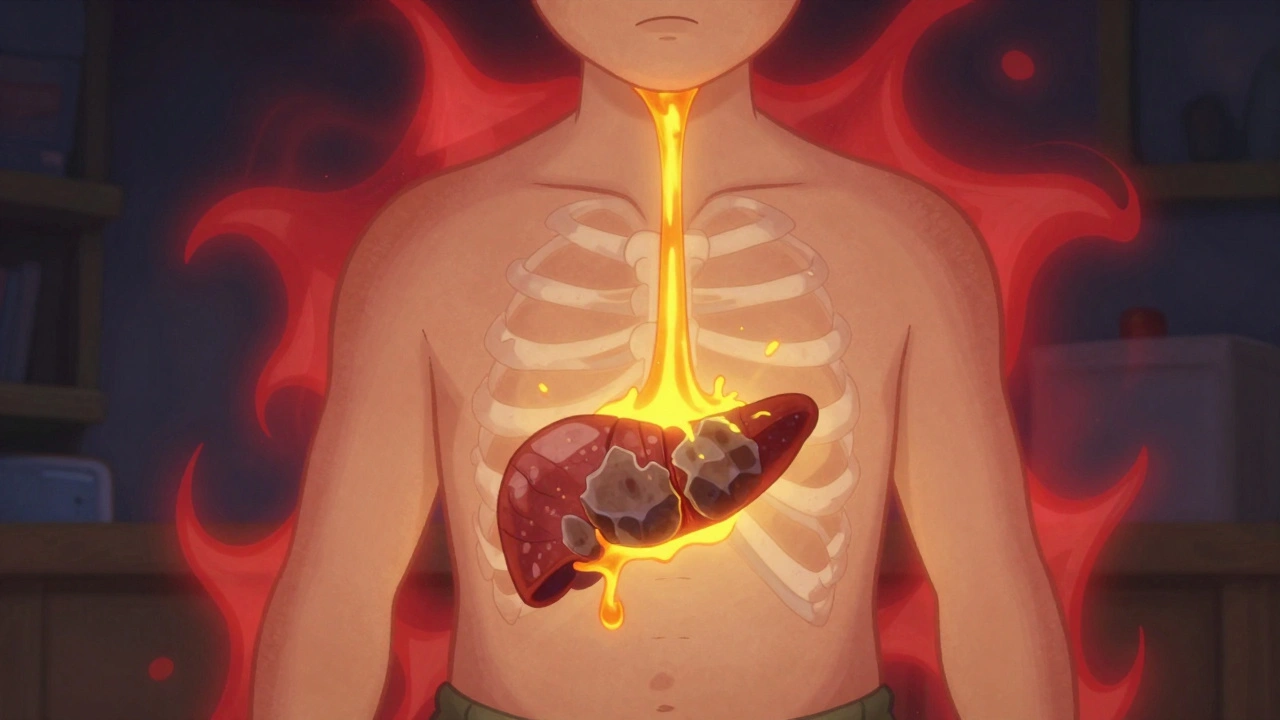
Gallstones cause painful biliary colic and can lead to dangerous cholecystitis. Learn how surgery - especially laparoscopic cholecystectomy - is the most effective long-term solution and when it’s the right choice.