
Bleeding Risk: What It Is, What Causes It, and How to Stay Safe
When you hear bleeding risk, the chance that your body can’t stop bleeding normally due to medication, disease, or other factors. Also known as hemorrhagic risk, it’s not just about nicking your finger—it’s about internal bleeding that can turn life-threatening without warning. This isn’t rare. Thousands of people on blood thinners, anti-inflammatories, or even some antidepressants face this daily. And most don’t realize how easily it can sneak up on them.
Blood thinners, medications that reduce clotting to prevent strokes or heart attacks. Also known as anticoagulants, they include drugs like warfarin, apixaban, and rivaroxaban are the biggest culprits. But they’re not the only ones. Even common painkillers like ibuprofen or aspirin can stack up with these drugs and push you into danger. And it’s not just pills—some supplements like fish oil, garlic, or ginkgo can do the same. Your doctor might not ask about them unless you bring it up. Drug interactions, when two or more substances change how your body handles each one. Also known as medication conflicts, they’re why bleeding risk spikes unexpectedly. COVID-19, liver disease, or even a sudden infection can change how your body processes these drugs. That’s why a simple cold could suddenly make you bleed more than usual.
People over 65, those with kidney or liver problems, or anyone on multiple meds are at higher risk. But it’s not just age or health—it’s the combo. A person on a blood thinner who starts taking a new antibiotic or stops eating leafy greens (which affect warfarin) can slip into danger without symptoms until it’s too late. Bruising easily? Nosebleeds that won’t stop? Blood in urine or stool? These aren’t normal. They’re red flags. And if you’re on long-term steroids or have had surgery recently, your bleeding risk is even higher.
What you’ll find in the posts below isn’t theory—it’s real-world guidance. You’ll see how anticoagulant interactions with COVID-19 treatments can change your safety plan. You’ll learn why some blood pressure meds raise bleeding risk when mixed with other drugs. You’ll get clear tips on what to avoid, what to tell your doctor, and how to spot trouble before it turns critical. This isn’t about scaring you. It’s about giving you control. Because knowing the signs, understanding your meds, and asking the right questions can stop a small bleed from becoming a medical emergency.
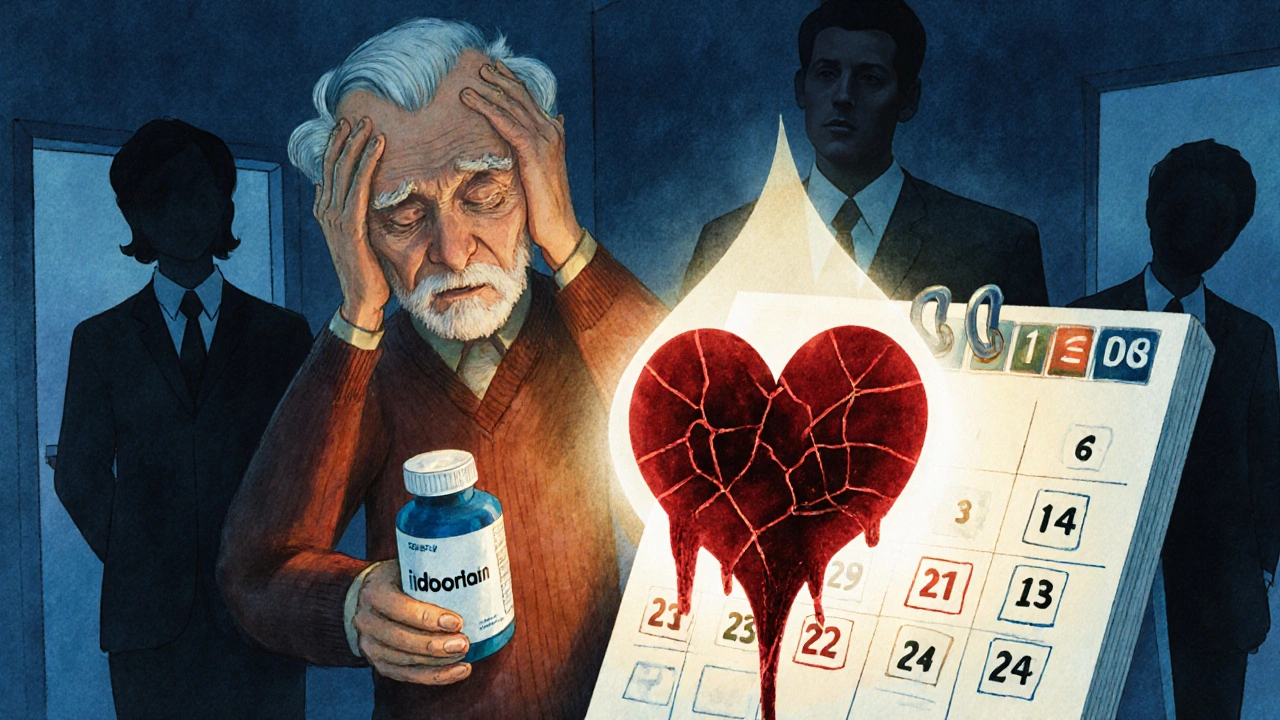
Warfarin and NSAIDs together double the risk of dangerous bleeding. This detailed guide explains why, which NSAIDs are worst, what to use instead, and how to stay safe.