
CBT-I: What It Is, How It Helps Insomnia, and What You Need to Know
When you can’t sleep night after night, pills might seem like the only answer. But CBT-I, Cognitive Behavioral Therapy for Insomnia. Also known as cognitive behavioral therapy for sleep, it is a structured, evidence-based program that rewires how your brain thinks about sleep—without drugs. Unlike sleeping pills that mask the problem, CBT-I fixes the root causes: racing thoughts, bad sleep habits, and the fear of not sleeping. It’s not just talk therapy—it’s a practical toolkit you use every day.
CBT-I works by targeting three things: your thoughts, your behaviors, and your body’s sleep rhythm. If you lie awake worrying you’ll never fall asleep, that anxiety keeps you awake. CBT-I teaches you to break that cycle. It includes sleep restriction—cutting time in bed to match how much you actually sleep—so you build stronger sleep pressure. It trains you to get out of bed if you’re not asleep after 20 minutes, so your brain stops linking your bed with stress. And it replaces sleep myths like "I need 8 hours" or "If I don’t sleep tonight, I’m ruined" with facts that reduce panic.
It’s not magic. It takes work. But studies show over 70% of people who complete CBT-I see lasting improvement—better sleep for months or years after treatment ends. The American College of Physicians and the American Academy of Sleep Medicine both say CBT-I should be the first treatment for chronic insomnia, not a last resort. And it’s not just for adults. Teens, older adults, even people with chronic pain or depression find relief when they stop chasing pills and start retraining their sleep.
What you’ll find in these articles isn’t theory—it’s real-world advice from people who’ve been there. You’ll see how to track your sleep patterns, what to say to your doctor when they push meds, how to handle setbacks without giving up, and why your bedroom setup matters more than you think. Some posts cover how CBT-I fits with other conditions like anxiety or menopause. Others break down the exact steps of sleep scheduling or stimulus control. You’ll also find stories from people who tried everything else—and finally found peace through CBT-I.
This isn’t about quick fixes. It’s about building a relationship with sleep that lasts. If you’re tired of counting sheep, checking the clock, or feeling guilty about another sleepless night, what follows is your roadmap out.
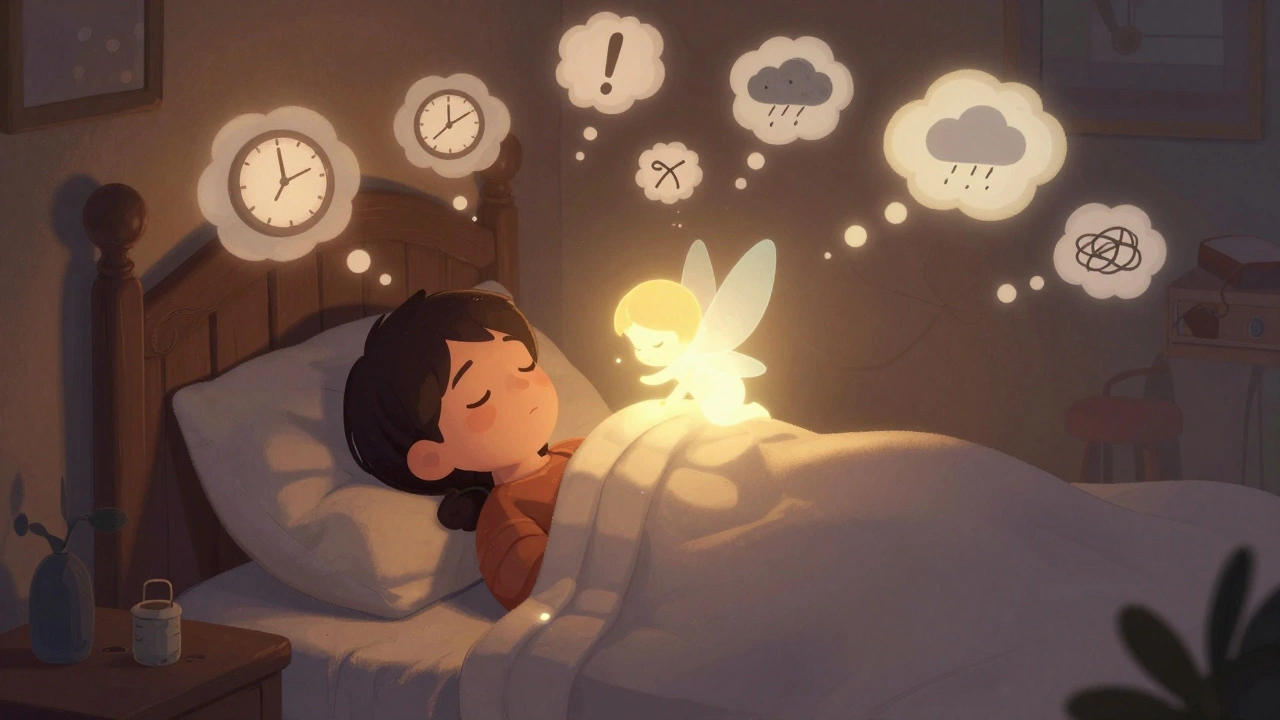
Treating insomnia with CBT-I can significantly reduce depression and anxiety symptoms, lower relapse risk, and improve long-term mental health. Learn how sleep-focused therapy works and why it's more effective than pills.