
Cholecystitis: Causes, Symptoms, and What You Need to Know About Gallbladder Inflammation
When your cholecystitis, inflammation of the gallbladder, often triggered by gallstones blocking bile ducts. Also known as gallbladder inflammation, it doesn’t just cause discomfort—it can lead to serious complications if ignored. Most cases start with a stone getting stuck in the cystic duct, trapping bile inside the gallbladder. That trapped bile turns into a slow-burning fire, swelling the organ, triggering pain, and sometimes causing infection.
People often mistake the pain for indigestion or a bad stomach bug. But cholecystitis pain is different—it’s sharp, steady, and usually hits right under your right rib cage, sometimes shooting into your shoulder or back. It doesn’t go away after burping or taking antacids. You might also feel nauseous, vomit, or run a low fever. If you’ve had gallstones, hard deposits that form in the gallbladder from cholesterol or bilirubin before, your risk goes up. And if you’re over 40, female, overweight, or have diabetes, you’re more likely to develop them.
Not everyone with gallstones gets cholecystitis—but when the blockage sticks around, the gallbladder starts to damage itself. Left untreated, it can rupture or develop an abscess. That’s why doctors often check for biliary colic, the intermittent pain caused by gallstones temporarily blocking the duct as an early warning sign. If you’ve had episodes of sudden, crampy pain after eating fatty food, that’s your body trying to tell you something.
What you’ll find in these articles isn’t just textbook definitions. It’s real-world advice from people who’ve been through it—how to recognize the difference between a bad meal and a real emergency, what tests actually matter (ultrasound, blood work, HIDA scan), and why some treatments work better than others. You’ll see how medications like antibiotics or pain relievers help in the short term, but often, surgery is the only way to stop it from coming back. And yes, there are posts that explain how conditions like cholecystitis connect to other issues like pancreatitis or liver enzyme spikes.
There’s no sugarcoating it: cholecystitis can be scary. But understanding what’s happening inside your body takes the mystery out of the pain. These articles give you the facts without the fluff—what works, what doesn’t, and what you should ask your doctor before agreeing to any treatment. Whether you’re dealing with your first attack or managing life after surgery, this collection has something that speaks directly to your situation.
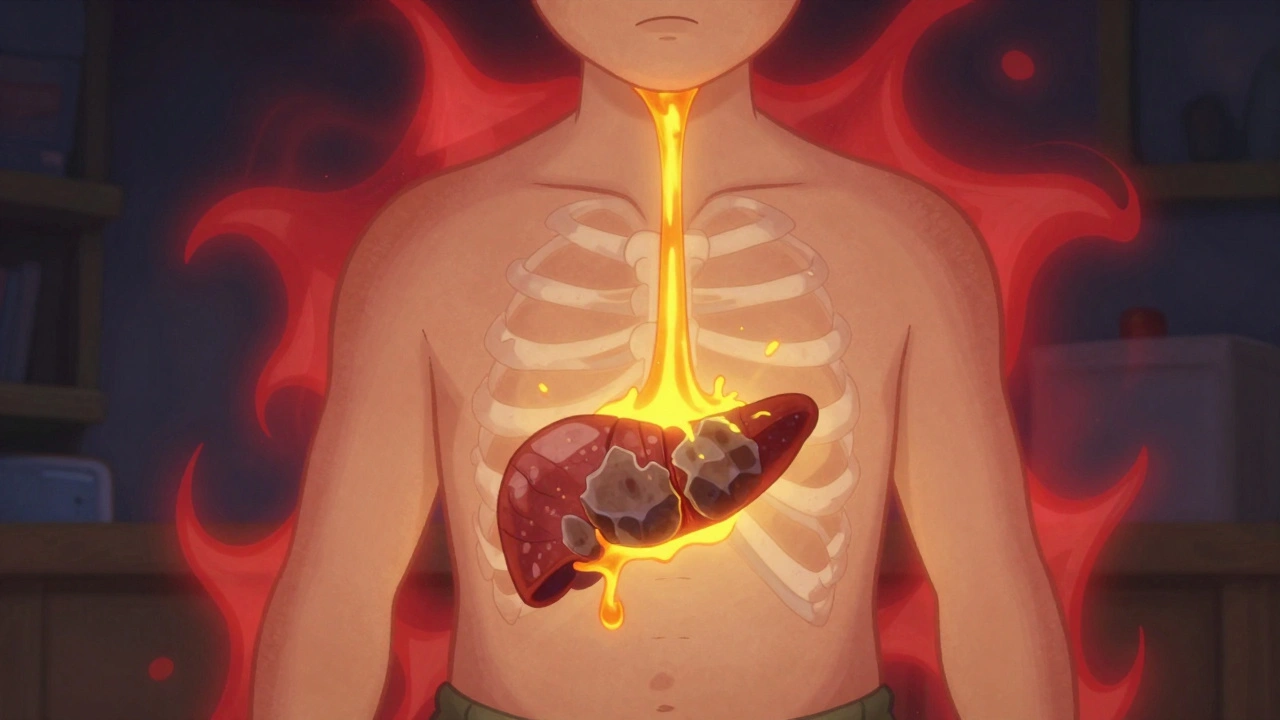
Gallstones cause painful biliary colic and can lead to dangerous cholecystitis. Learn how surgery - especially laparoscopic cholecystectomy - is the most effective long-term solution and when it’s the right choice.