
Drug Efficacy: What Works, Why It Matters, and How to Know for Sure
When we talk about drug efficacy, how well a medication produces the desired therapeutic effect in real patients. Also known as clinical effectiveness, it's not just about lab results—it's about whether you actually feel better, avoid hospital visits, or live longer after taking it. Many assume if a drug is FDA-approved, it works the same for everyone. But that’s not true. Two people can take the same pill, at the same dose, and have completely different outcomes. Why? Because drug efficacy isn’t just chemistry—it’s biology, behavior, and sometimes, belief.
Pharmacogenetic testing, analyzing your genes to predict how you’ll respond to medications is changing that. Studies show it cuts adverse drug reactions by 30%, meaning fewer hospital stays and less trial-and-error with prescriptions. This isn’t science fiction—it’s already being used in clinics to avoid dangerous side effects from common drugs like warfarin or antidepressants. And then there’s generic drug effectiveness, how well off-patent versions perform compared to brand-name drugs. The science says they’re identical. But if you believe they don’t work as well, your body might actually respond worse—thanks to the nocebo effect. That’s why some people swear their brand-name pill works better, even when the active ingredient is exactly the same.
Drug efficacy also depends on how you take it. A perfectly effective inhaler is useless if you don’t use it right. A powerful antibiotic won’t help if you stop early. Even something as simple as storing your pills in a hot bathroom can break them down before you even swallow them. That’s why medication safety, the practices that prevent errors in prescribing, dispensing, and taking drugs is just as important as the drug itself. Checking labels, confirming pharmacist notes, and knowing your exact dosage aren’t just precautions—they’re part of making sure the drug actually works.
And then there’s the hidden layer: why some drugs stop working over time. Drug resistance in infections, tolerance to painkillers, or metabolic changes from long-term statin use—all of these can reduce efficacy without you realizing it. That’s why monitoring isn’t a one-time thing. It’s ongoing. Whether it’s tracking cholesterol levels after starting pitavastatin, watching for weight gain from antidepressants, or testing adrenal function after steroid tapers, your body is always telling you something. You just have to know how to listen.
What you’ll find below isn’t a list of drug reviews. It’s a collection of real-world stories about what makes medications work—or fail—for actual people. From how insurance forces generic switches that shake patient confidence, to how patent fights delay affordable options, to how simple things like proper inhaler technique can mean the difference between breathing easy and ending up in the ER. These aren’t abstract ideas. They’re daily realities. And they all tie back to one question: does this drug actually work—for you?
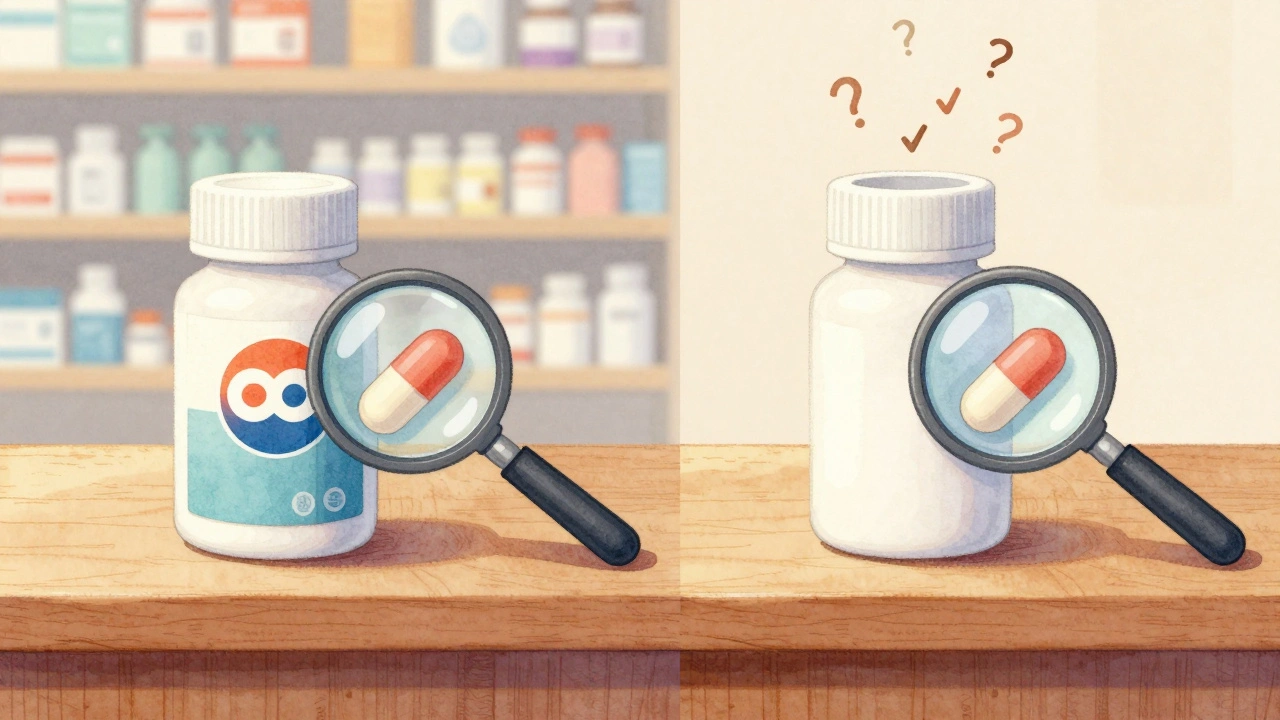
Authorized generics are the exact same medication as brand-name drugs-same ingredients, same factory, same FDA standards. Learn why they’re just as effective, often cheaper, and how to ask for them at the pharmacy.