
Drug Name Verification: Confirm Your Medications Are Safe and Correct
When you pick up a prescription, drug name verification, the process of confirming the exact name, dosage, and form of a medication before taking it. Also known as medication reconciliation, it’s not just a hospital procedure—it’s something every person on meds should do at home. A single typo in a drug name can lead to a deadly mix-up. Take hydroxyzine (an antihistamine) and hydralazine (a blood pressure drug)—they sound alike but do completely different things. One calms anxiety. The other lowers blood pressure dangerously if given to the wrong person.
Drug name verification isn’t just about spelling. It’s about understanding generic drugs, medications approved by the FDA as identical in strength and effect to brand-name versions. Most prescriptions today are generics, and they work fine—but confusion happens when pharmacies switch brands or when you order online. You might think you’re getting the same pill, but the shape, color, or inactive ingredients can change. That’s why checking the label against your doctor’s note matters. And it’s not just you—caregivers, pharmacists, and even doctors can misread handwritten or digital prescriptions. The FDA drug approval, the official process the U.S. Food and Drug Administration uses to ensure drugs are safe and effective before they reach patients doesn’t end at the pharmacy. Your job is to keep verifying.
Drug interactions are another silent risk. If you’re on warfarin, a blood thinner, and accidentally take an NSAID like ibuprofen, your bleeding risk doubles. If you’re on opioids and benzodiazepines together, your breathing could stop—even at normal doses. These aren’t rare cases. They show up in emergency rooms every day. Drug name verification means cross-checking every new pill with your list: What’s it for? What’s it interacting with? Who prescribed it? You don’t need a medical degree. You just need to ask: "Is this the right drug for me, right now?"
And it’s not just about pills. Creams, patches, inhalers, even supplements like Arjuna bark extract or amantadine can be mislabeled or confused with others. People think "it’s just a cream" or "it’s herbal, so it’s safe"—until they get side effects or a bad reaction. The drug interactions, harmful or unintended effects that happen when two or more medications are taken together you see in these posts—from statins causing muscle pain to diuretics triggering gout—aren’t accidents. They’re preventable. With good verification, they never happen.
You’ll find real stories here: how penicillin allergy labels are often wrong, how people mistake generic versions for ineffective drugs, how patent delays keep affordable meds off shelves, and how the same pill can look totally different depending on the manufacturer. You’ll learn how to read labels like a pro, use free tools to check drug names, and talk to your pharmacist without sounding suspicious. This isn’t theory. It’s what keeps you alive. And if you’re managing meds for an older parent, a child, or someone with chronic illness, this isn’t optional—it’s essential.
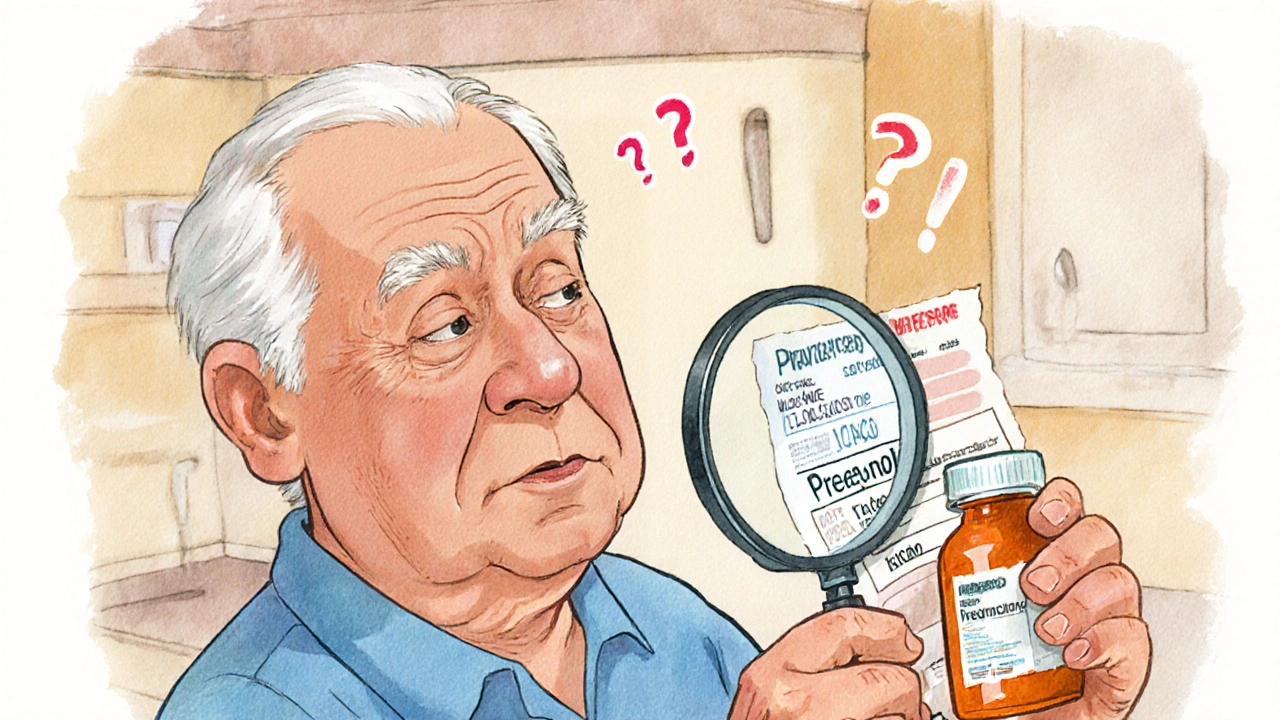
Learn how to safely verify medication names, strengths, and dosage forms to prevent dangerous errors. Simple steps like reading labels aloud, checking units, and using the three-point verification rule can save lives.