
Gene-Drug Interactions: How Your DNA Affects Medication Safety and Effectiveness
When you take a pill, your body doesn’t treat it the same way everyone else does. That’s because of gene-drug interactions, the way your genetic makeup changes how your body processes medications. Also known as pharmacogenomics, this field explains why one person can take a standard dose of a drug and feel fine, while another gets sick or gets no benefit at all. It’s not about being ‘weak’ or ‘noncompliant’—it’s biology. Your genes control the enzymes that break down drugs, the receptors they bind to, and even how your body removes them. If your version of a key enzyme works too fast, the drug never builds up enough to help. If it works too slow, the drug builds up to toxic levels.
Take warfarin, a blood thinner that requires precise dosing to avoid bleeding or clots. Some people need just 1 mg a day. Others need 10 mg. The difference? Variants in the CYP2C9 and VKORC1 genes. The same goes for codeine, a painkiller that turns into morphine in the liver. If you have a super-active version of the CYP2D6 enzyme, you turn codeine into morphine too fast—and risk life-threatening breathing problems. That’s why some people die after getting codeine after surgery, even when it was prescribed correctly.
These aren’t rare edge cases. Over 90% of people have at least one gene variant that affects how they respond to common drugs. Statins, antidepressants, beta-blockers, even antibiotics—all can be impacted. That’s why pharmacists now check for genetic testing for meds, a simple cheek swab that reveals your drug response profile before prescribing. It’s not science fiction—it’s standard in hospitals and growing in clinics. If you’ve ever had a medication that didn’t work, or gave you side effects others didn’t get, your genes might be the reason.
And it’s not just about avoiding bad reactions. It’s about getting the right treatment faster. Instead of trying three different antidepressants over six months, a genetic test can point you to the one most likely to work for your body. It cuts trial-and-error, reduces hospital visits, and saves money. You wouldn’t buy shoes without knowing your size—why take pills without knowing how your body handles them?
The posts below show how this plays out in real life: from how gene-drug interactions make warfarin risky with NSAIDs, to why some people can’t take certain painkillers at all, to how pharmacists use this info to catch dangerous combinations before they happen. You’ll find guides on checking your meds for hidden risks, understanding why generics sometimes feel different, and how to talk to your doctor about genetic testing. This isn’t theoretical. It’s life-saving knowledge you can use today.
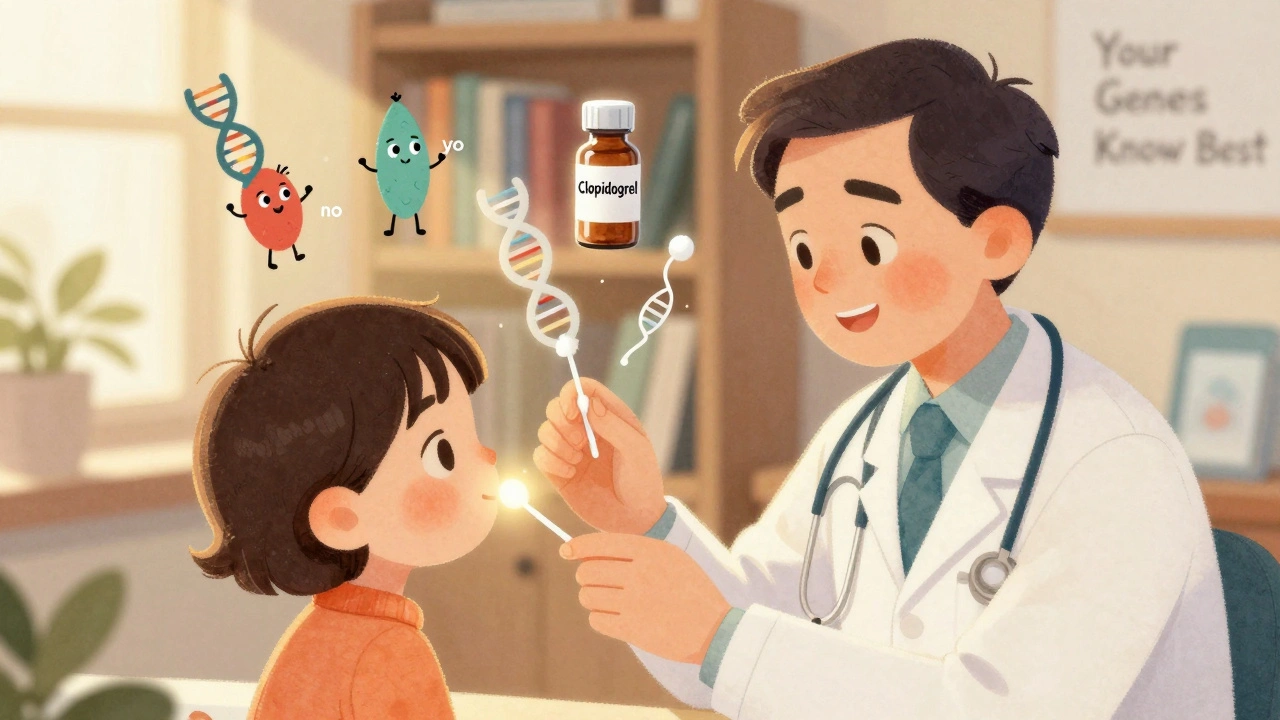
Pharmacogenetic testing analyzes your genes to predict how you'll respond to medications, preventing dangerous side effects. Studies show it cuts adverse drug reactions by 30%, saving lives and healthcare costs.