
Generic Drug Supply Chain: How Affordable Medicines Reach You
When you pick up a generic pill at the pharmacy, you’re holding the end result of a complex, tightly regulated system called the generic drug supply chain, the end-to-end network that manufactures, tests, distributes, and delivers generic medications to patients at a fraction of brand-name costs. Also known as the generic pharmaceutical distribution network, this system is what makes drugs like metformin, lisinopril, and levothyroxine accessible to millions. It’s not just about copying a brand-name pill—it’s about proving it works the same way, making it safely, and getting it to you without delays or hidden risks.
The FDA Office of Generic Drugs, the federal unit responsible for reviewing and approving all generic drug applications in the U.S. sits at the heart of this chain. They don’t just approve drugs—they enforce strict bioequivalence standards. A generic must deliver the same amount of active ingredient into your bloodstream at the same rate as the brand. No exceptions. Behind them, manufacturers must follow Current Good Manufacturing Practices (CGMP), which are audited regularly. You might think generics are made in cheap overseas labs, but many are produced in U.S. facilities, and even those overseas must meet the same FDA standards as Pfizer or Merck. The Hatch-Waxman Act, the 1984 law that created the modern generic drug market by balancing innovation and affordability is what made this possible. It let companies file abbreviated applications instead of redoing full clinical trials, cutting costs and speeding up approvals.
But the chain doesn’t stop at approval. The real challenges come after: patent fights, supply shortages, and price manipulation. Some companies delay generics by listing weak patents in the Orange Book, the official FDA listing of drug patents and exclusivity periods, then paying rivals to stay off the market—a practice called pay-for-delay. These legal maneuvers can keep prices high for years. Meanwhile, raw material shortages, like those seen during the pandemic, can freeze production lines for antibiotics or blood pressure meds. The system is designed to be resilient, but it’s only as strong as its weakest link.
What you’ll find in this collection are real stories from inside this chain. You’ll read how patent disputes delay life-saving drugs, why some people think generics don’t work (even when they do), and how the FDA ensures every batch meets the same standard. You’ll see how the same active ingredient can come from India, China, or Ohio—and still be safe. You’ll learn why a simple label check can prevent a deadly error, and how the system protects you even when it’s under pressure. This isn’t theory. These are the systems that put your pills in your hand—every day, for less than $5.
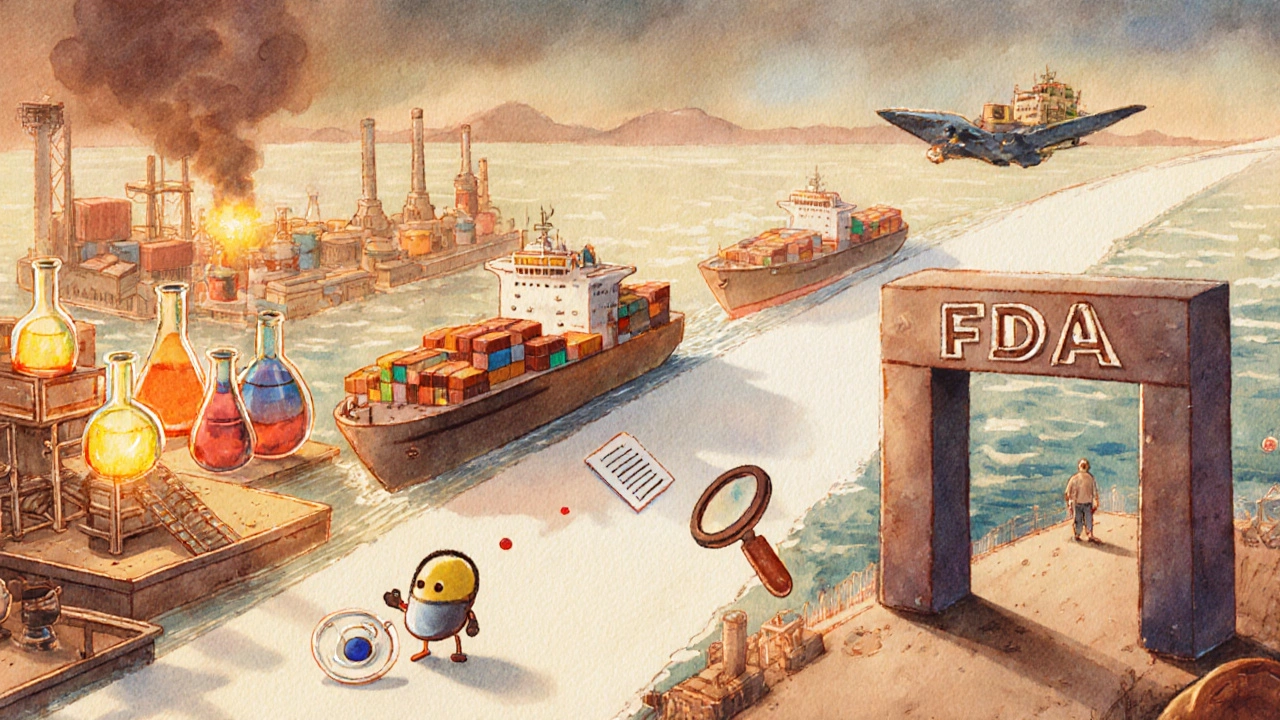
Learn how generic drugs travel from factories in India and China to your local pharmacy, and why the system that keeps them cheap is also surprisingly fragile.