
Generic Substitution: What It Is and Why It Matters for Your Health and Wallet
When your pharmacist hands you a pill that looks different from what you’re used to, it’s likely due to generic substitution, the practice of replacing a brand-name drug with a chemically identical generic version approved by the FDA. Also known as therapeutic substitution, it’s one of the biggest reasons prescription costs have dropped over the last 30 years. This isn’t a trick or a cost-cutting shortcut—it’s science. The FDA requires generics to have the same active ingredient, strength, dosage form, and route of administration as the brand. They must also prove they’re absorbed into your body at the same rate and extent. That’s called bioequivalence, a strict testing standard that ensures generic drugs perform the same way in your system as the original. If a generic doesn’t meet this bar, it doesn’t get approved.
So why do some people still think generics don’t work as well? It’s not the medicine—it’s the packaging. Studies show that when people believe they’re taking a cheaper drug, their brain can actually reduce the perceived effect, even when the pill is identical. This is called the nocebo effect, the negative counterpart to the placebo effect, where expectations of failure lead to real symptoms. That’s why some patients report side effects with generics that they never had with the brand—even though the ingredients are the same. Your mind plays a role. So does the color, shape, or size of the pill. But the chemistry? That’s locked in by federal law.
Generic substitution isn’t just about saving money—it’s about access. In the U.S., generics make up over 90% of prescriptions but cost only 23% of total drug spending. That’s thanks to the Hatch-Waxman Act, a 1984 law that created a faster, cheaper path for generic manufacturers to enter the market without repeating expensive clinical trials. But it’s not perfect. Patent lawsuits, delays in approval, and supply chain issues can still block affordable options. That’s why knowing how to ask your pharmacist about substitution, how to check for FDA-approved generics, and how to spot red flags matters. You’re not just buying a pill—you’re making a decision that affects your health, your budget, and your long-term care.
Below, you’ll find real stories and facts about how generic substitution works in practice—from how it’s regulated, to why some people feel different taking it, to what to do if you think it’s not working. These aren’t theory pieces. They’re based on patient experiences, FDA data, and pharmacy logs. Whether you’re switching from a brand to a generic, worried about side effects, or just trying to save money, you’ll find clear answers here—no jargon, no fluff, just what you need to know.
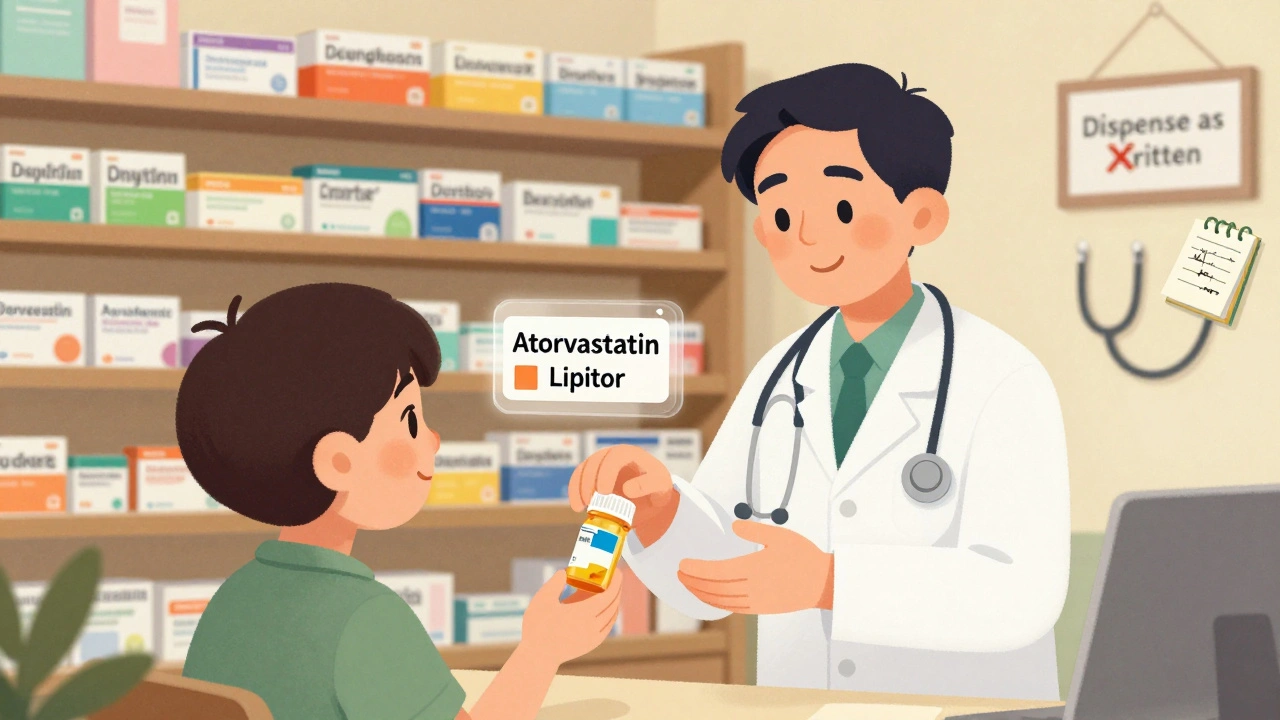
Learn how insurance companies enforce generic drug substitution, what state laws require, how to fight back if it affects your health, and what to ask your doctor and pharmacist to protect your treatment.