
Laparoscopic Cholecystectomy: What It Is, Why It's Done, and What to Expect
When your gallbladder starts causing trouble—pain after meals, bloating, nausea—it’s often due to gallstones, hard deposits that form in the gallbladder and can block bile flow. This is where laparoscopic cholecystectomy, a minimally invasive surgery to remove the gallbladder using small incisions and a camera. Also known as keyhole gallbladder surgery, it’s the go-to solution for millions of people each year who can’t manage symptoms with diet or medication alone.
This procedure isn’t just about removing a problematic organ—it’s about fixing how your body digests food. The gallbladder stores bile, which helps break down fats. When it’s full of stones or inflamed, it stops working right. Left untreated, it can lead to serious infections, pancreatitis, or even sepsis. That’s why doctors recommend laparoscopic cholecystectomy when symptoms get bad enough to interfere with daily life. It’s not a last resort—it’s a smart, safe fix. Compared to the old open surgery, which required a large cut and weeks of recovery, this version uses four tiny holes, a camera, and specialized tools. Most patients go home the same day.
Recovery is faster, but it’s not instant. You’ll feel sore for a few days, especially around the shoulders (from the gas used during surgery). Eating light meals helps. Some people notice looser stools at first, because bile flows directly into the intestine now instead of being stored. That usually settles down in weeks. You’ll need to avoid heavy lifting for a few weeks, but most people are back to work in under a week. If you’ve had repeated attacks before surgery, you’ll likely feel dramatically better afterward—no more midnight pain, no more avoiding fatty foods.
Not everyone needs surgery. Some people have silent stones and never have symptoms. But if you’re dealing with pain, nausea, or jaundice, waiting too long can make things worse. The procedure itself is low-risk, but like any surgery, it carries small chances of bleeding, infection, or bile duct injury. That’s why choosing an experienced surgeon matters. And if you’re unsure, asking for a second opinion is completely normal.
What you’ll find below are real stories and practical guides about what happens before, during, and after gallbladder removal. From how to prepare your body for surgery, to managing pain without opioids, to dealing with digestive changes afterward—these posts give you the details you won’t get in a 10-minute doctor’s visit. You’ll also find advice on medication safety, how to spot warning signs after surgery, and why some people still feel off months later. This isn’t theory. It’s what people actually experience—and what works.
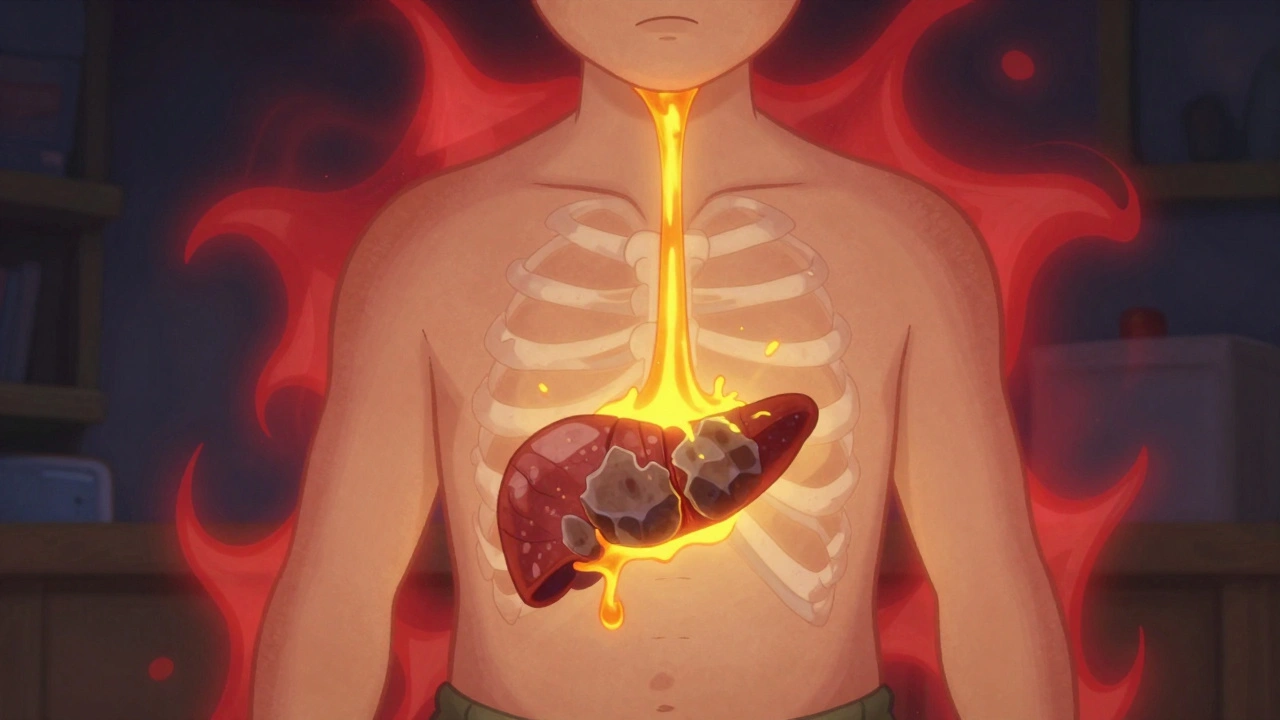
Gallstones cause painful biliary colic and can lead to dangerous cholecystitis. Learn how surgery - especially laparoscopic cholecystectomy - is the most effective long-term solution and when it’s the right choice.