
Manufacturing Compliance: What It Means for Your Medications and Why It Matters
When you pick up a pill from the pharmacy, you expect it to work the same way every time. That’s not luck—it’s manufacturing compliance, the set of rules and checks that ensure every batch of medicine meets strict safety and quality standards. Also known as pharmaceutical quality control, it’s the invisible system that keeps your pills from being weak, contaminated, or completely wrong. Without it, a generic version of your blood pressure drug could have half the active ingredient—or worse, toxic fillers. This isn’t hypothetical. In 2018, the FDA found contaminated valsartan pills linked to cancer-causing impurities because a manufacturer skipped basic testing. That’s why compliance isn’t just paperwork—it’s your safety net.
Manufacturing compliance ties directly to how the FDA Office of Generic Drugs, the branch that reviews and approves all generic medications in the U.S. does its job. Every generic drug must prove it’s bioequivalent to the brand-name version—meaning it releases the same amount of medicine into your body at the same rate. But that’s just the start. The FDA also inspects factories, often in India and China, where most generic drugs are made. These inspections check everything from clean rooms and equipment calibration to how workers handle raw materials. A single violation can delay approval for months. That’s why some drugs take longer to reach shelves, even after patents expire. And it’s why you’ll sometimes hear about shortages: one factory failing inspection can ripple through the whole generic drug supply chain, the complex network that moves active ingredients from labs to your medicine cabinet.
Manufacturing compliance also explains why two pills that look identical can feel different to you. If a company cuts corners on binders or coatings, the drug might dissolve too fast or too slow. That’s not your imagination—it’s a compliance gap. That’s why pharmacogenetic testing, a tool that checks how your genes affect drug metabolism, is becoming more important. Even small differences in how a drug is made can matter if your body processes it differently. And when insurance pushes for generic substitution, knowing that the manufacturer has a clean compliance record gives you real peace of mind.
You won’t see manufacturing compliance on your prescription label. But you’ll feel its impact every time a pill works as it should. The posts below dig into the real-world consequences of this system—how patent fights delay access, why some generics get recalled, how the FDA catches bad actors, and what you can do to spot red flags before you take a pill. Whether you’re on long-term steroids, managing IBS, or just worried about your blood thinner, understanding manufacturing compliance helps you ask the right questions—and stay safe.
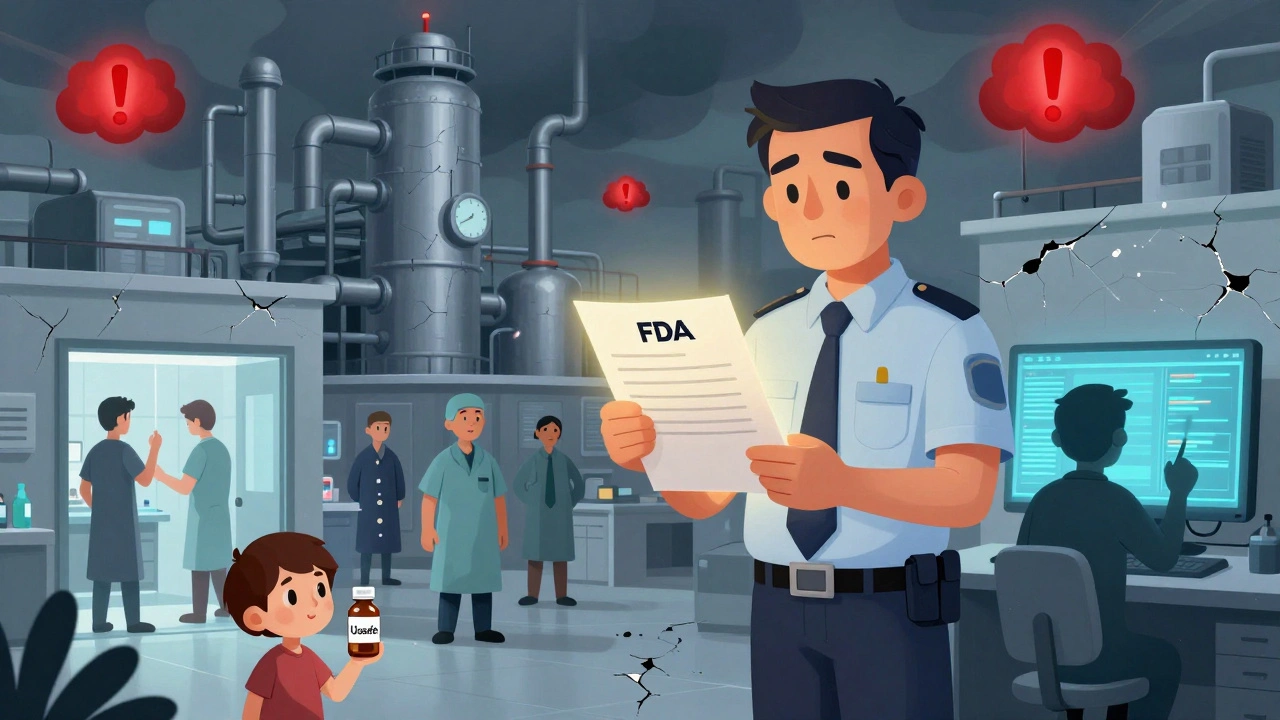
FDA warning letters are formal notices to drug manufacturers for serious violations of manufacturing rules. Learn what triggers them, how they impact companies, and how to avoid them.