
Sleep and Mental Health: How Rest Shapes Your Mind and Mood
When you struggle to sleep, it’s not just your body that suffers—it’s your sleep and mental health, the deep, bidirectional connection between how well you rest and how steady your mind feels. This link isn’t theoretical. It’s biological. Skip enough nights, and your brain starts misfiring—fear spikes, thoughts circle, and joy fades. And the reverse is just as true: when anxiety or depression takes hold, sleep often vanishes first. You don’t need a study to know this. You’ve felt it: lying awake at 3 a.m. replaying a fight, or waking up exhausted even after eight hours, because your mind never turned off.
insomnia, the persistent inability to fall or stay asleep isn’t just a symptom of stress—it’s a risk factor for depression. People with chronic insomnia are five times more likely to develop major depression. Meanwhile, depression, a condition marked by low mood, loss of interest, and fatigue often shows up with early morning waking or sleeping too much. anxiety, a state of constant worry and physical tension floods your body with cortisol, making it impossible to shut down at night. These aren’t separate problems—they’re tangled together, feeding each other like a loop with no off switch.
And it’s not just about counting hours. The quality of your sleep matters. Deep sleep repairs your emotional brain. REM sleep helps you process fear and stress. When you lose either, your brain gets stuck in negative loops. You react stronger to small slights. You ruminate longer. You feel more hopeless. That’s why treating depression without fixing sleep often fails—and why fixing sleep without addressing underlying anxiety rarely lasts.
You’ll find posts here that dig into how medications affect sleep, why some antidepressants make insomnia worse, and how certain drugs meant to help one condition can wreck another. You’ll see how pharmacogenetic testing can reveal why one person sleeps fine on a drug while another can’t even tolerate it. You’ll learn about the hidden dangers of mixing sleep aids with other meds, and how simple things like checking your pill labels can prevent accidental disruptions to your rest.
This isn’t about sleeping more. It’s about sleeping right—so your mind can heal. The articles below don’t just talk about sleep. They show you how it connects to your brain chemistry, your medication choices, and your daily safety. Whether you’re struggling with insomnia, feeling foggy from antidepressants, or wondering why your anxiety spikes every time you miss a night, you’ll find real answers here—not guesses, not fluff. Just what works, what doesn’t, and why.
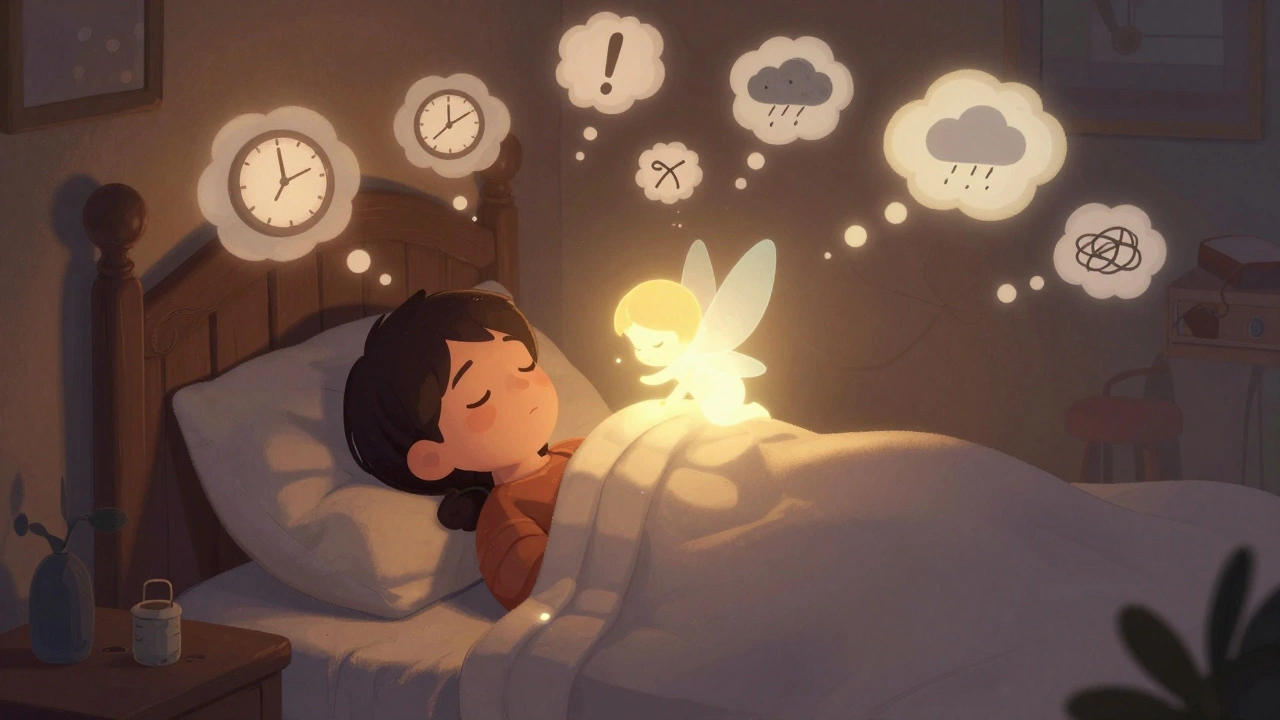
Treating insomnia with CBT-I can significantly reduce depression and anxiety symptoms, lower relapse risk, and improve long-term mental health. Learn how sleep-focused therapy works and why it's more effective than pills.