
Brand Name Drugs: What They Are, Why They Cost More, and When They Really Matter
When you hear brand name drugs, the original, patented versions of medications developed by pharmaceutical companies. Also known as originator drugs, they’re the first version of a medicine to hit the market after years of research and clinical trials. These are the pills you see advertised on TV—Drugs like Lipitor, Prozac, or Nexium. They’re not just names; they’re the result of billions in investment, hundreds of thousands of patient hours, and strict FDA approval processes.
But here’s the thing: once the patent runs out, other companies can make the exact same drug and sell it as a generic drug, a chemically identical version of a brand name drug sold after patent expiration. Also known as generic medications, they’re required by the FDA to work the same way, in the same amount, and with the same safety profile. So why do brand name drugs still cost 10 to 20 times more? The answer isn’t about quality—it’s about patents, marketing, and timing. The pharmaceutical patents, legal protections that give drug makers exclusive rights to sell a new medication for a set period. Also known as drug exclusivity, they’re the reason you can’t buy a cheaper version of a new cancer drug right away. Companies use these patents to recoup costs and make profits. Some even extend them with minor tweaks—new dosages, new delivery methods—just to keep the high prices going.
But not all brand name drugs are worth the extra cost. For most conditions—high blood pressure, cholesterol, depression—generics work just as well. The FDA doesn’t allow generics to be different in any meaningful way. But there are exceptions. Some drugs have a narrow therapeutic window, meaning even tiny differences in how they’re absorbed can cause problems. Think thyroid meds, seizure drugs, or blood thinners like warfarin. For these, sticking with the brand might be safer, even if it costs more. And sometimes, it’s not the drug itself—it’s the packaging, the support programs, or the consistent supply chain that makes the brand worth it.
Then there’s the psychology. Studies show people feel better on brand name drugs—even when they’re taking generics. It’s called the placebo effect, but flipped: if you believe the brand is better, your body might respond like it is. That’s not just in your head—it’s real. That’s why some doctors still prescribe brands, even when generics are available. It’s not always about science. Sometimes it’s about trust.
What you’ll find in the posts below is a real-world look at how brand name drugs fit into today’s healthcare system. You’ll see how patent battles delay cheaper options, how insurance forces switches, and why some people end up paying hundreds more just because of a label. You’ll also learn when going generic is perfectly safe—and when it’s not. No fluff. No marketing. Just facts, stories, and the kind of info you need to make smarter choices about your meds.
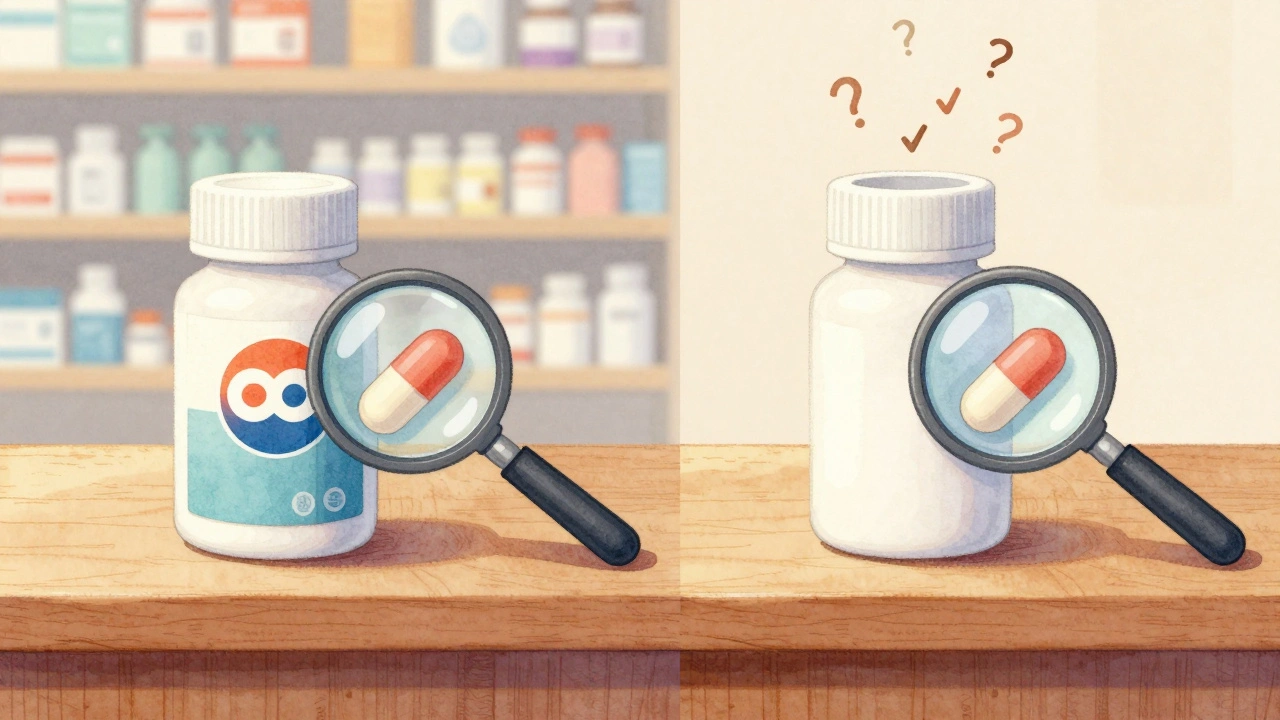
Authorized generics are the exact same medication as brand-name drugs-same ingredients, same factory, same FDA standards. Learn why they’re just as effective, often cheaper, and how to ask for them at the pharmacy.
Generic medications are just as safe and effective as brand-name drugs, but many patients still have concerns. This article answers common questions about effectiveness, side effects, cost, and safety to help you make informed choices about your prescriptions.