
Drug Safety: Protect Yourself from Medication Risks and Errors
When you take a pill, you trust it’s safe—but drug safety, the system of checks, warnings, and practices that keep medications harmless and effective isn’t automatic. It’s something you have to actively protect. Every year, thousands of people end up in the hospital because of simple mistakes: mixing pills that shouldn’t be taken together, misreading labels, or assuming a generic drug is somehow less reliable. Drug safety isn’t just about the FDA or your pharmacist—it’s about you knowing what to look for, what to ask, and when to push back.
One of the biggest threats is drug interactions, when two or more medications combine in dangerous ways. Take opioids and benzodiazepines together, and your breathing can stop—even at normal doses. Warfarin and NSAIDs? That combo doubles your risk of internal bleeding. These aren’t rare edge cases. They happen because people don’t know to ask. And it’s not just about prescription drugs. Even over-the-counter painkillers, herbal supplements, or antacids can clash with your meds in ways your doctor might not catch unless you tell them everything you’re taking.
Then there’s the system behind the pill. FDA warning letters, formal notices sent to drug makers for breaking manufacturing rules, are a red flag that something’s wrong with how a medicine is made. These aren’t just bureaucratic notices—they mean the pills you’re holding might not have the right amount of active ingredient, or could be contaminated. And with most generic drugs made overseas, the supply chain is long, complex, and surprisingly fragile. That’s why checking your medication’s name, strength, and form every single time matters. A typo on a label, a misprinted bottle, or a pharmacy mix-up can cost you your health.
And don’t let the price fool you. generic drug safety, the belief that cheaper pills are less effective or riskier is a myth—unless your perception makes it real. Studies show generics work just as well as brand names. But if you believe they don’t, your body might respond as if they don’t. That’s the placebo effect in reverse—the nocebo effect. It’s why some people feel worse on a generic, even when the chemistry is identical. The real danger isn’t the pill. It’s the fear, the confusion, and the silence around questions you’re too afraid to ask.
Drug safety isn’t about memorizing every side effect. It’s about building habits: reading labels out loud, confirming counseling notes with your pharmacist, keeping a list of everything you take, and never assuming your doctor knows what’s in your medicine cabinet. It’s about knowing when to say, ‘Wait, this doesn’t seem right.’ And it’s about understanding that your health doesn’t end at the pharmacy counter—it starts the moment you open that bottle.
Below, you’ll find real stories, practical checks, and hard truths from people who’ve been through medication errors, near-misses, and recovery. These aren’t theoretical guides. They’re tools you can use today to make sure the next pill you take doesn’t become a risk.
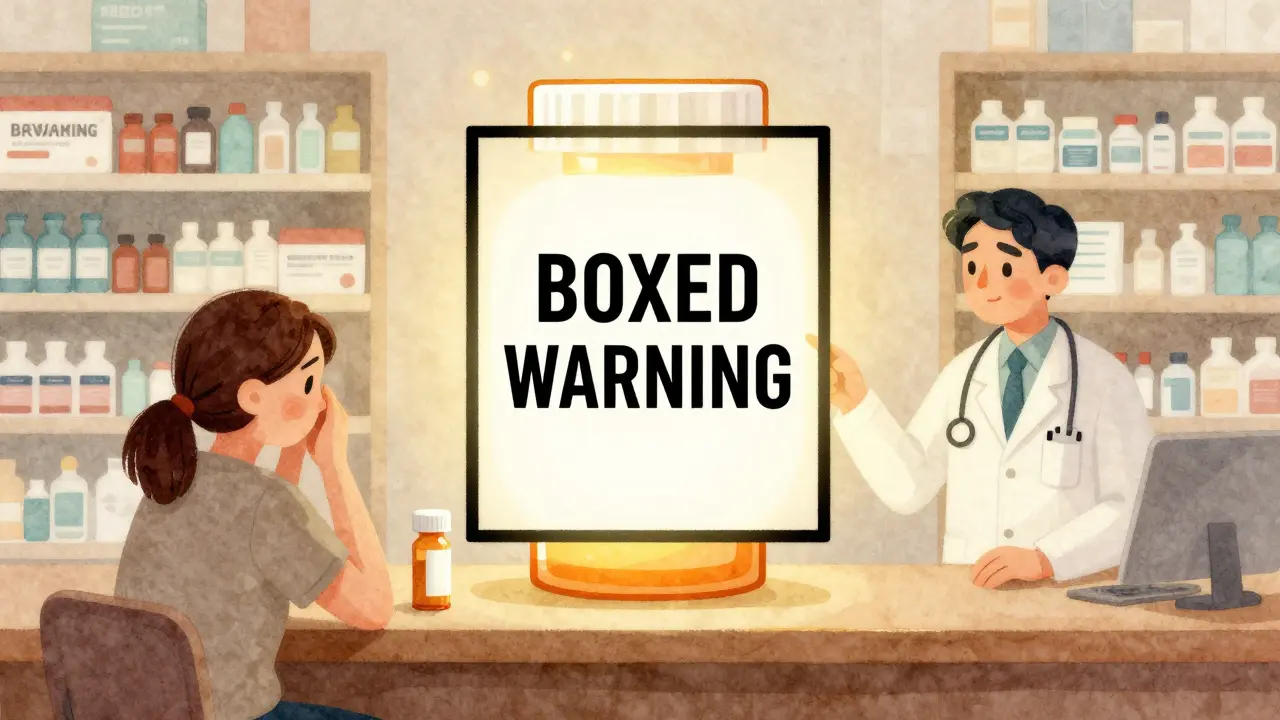
Understand FDA boxed warnings - the strongest drug safety alerts - and what they really mean for your health. Learn how to talk to your doctor, recognize real risks, and use high-risk medications safely.
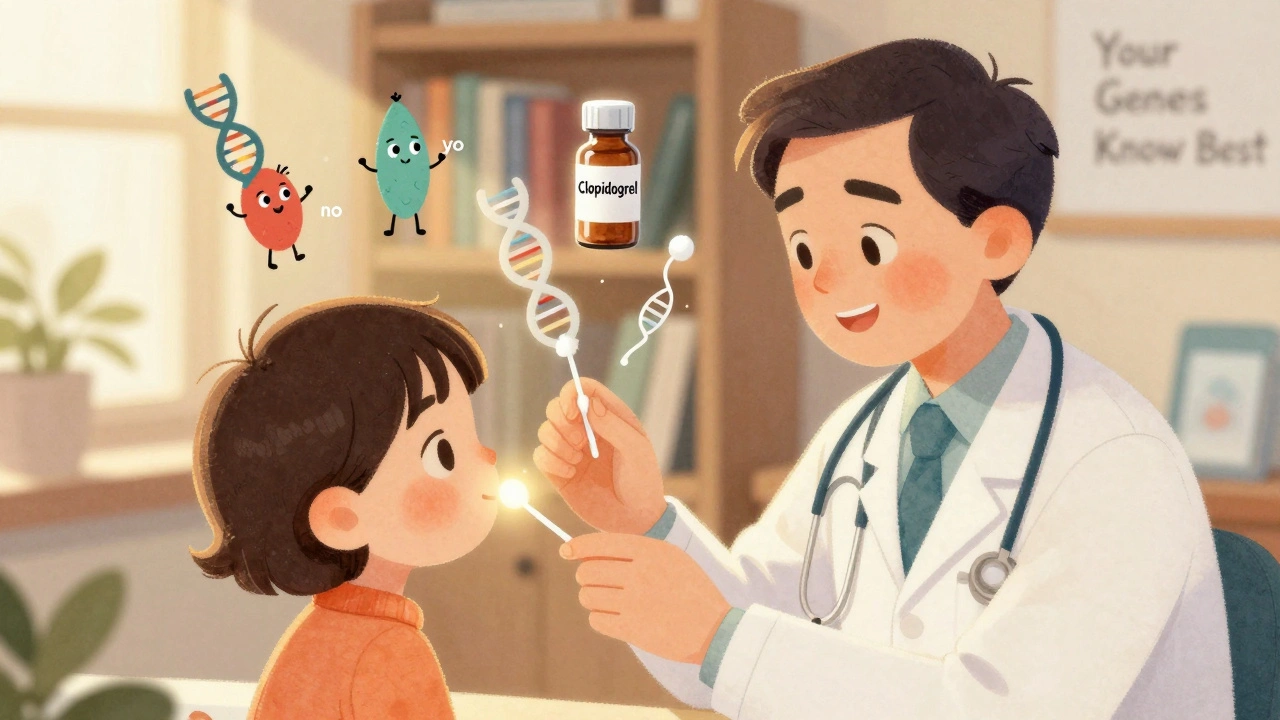
Pharmacogenetic testing analyzes your genes to predict how you'll respond to medications, preventing dangerous side effects. Studies show it cuts adverse drug reactions by 30%, saving lives and healthcare costs.