
FDA Generics: What They Are, How They’re Approved, and Why They Work
When you pick up a prescription and see a different name on the bottle than what your doctor wrote, it’s likely an FDA generics, drug products approved by the U.S. Food and Drug Administration to be identical to brand-name medications in dosage, safety, strength, and how they work. Also known as generic drugs, they’re not cheaper because they’re weaker—they’re cheaper because the company didn’t pay to invent the drug in the first place. The FDA doesn’t just approve any pill with the same active ingredient. It requires proof that the generic works the same way in your body, absorbs at the same rate, and delivers the same clinical results. This is called bioequivalence, the scientific standard that proves a generic drug performs the same as its brand-name counterpart in the human body. Without this, a generic can’t be sold in the U.S.
Behind every FDA-approved generic is a strict review process. The manufacturer must show they use the same active ingredient, in the same strength, and in the same form—tablet, capsule, injection, etc. They also have to prove their manufacturing site meets the same quality rules as the brand-name maker. That’s why FDA warning letters, formal notices issued to drugmakers for violating manufacturing standards are so common. If a factory cuts corners on cleanliness, testing, or documentation, the FDA shuts them down. This isn’t about profit—it’s about making sure the pill you take today is just as safe as the one you took last month.
Some people still worry generics don’t work as well. But studies show they’re just as effective. The difference isn’t in the medicine—it’s in the mind. Placebo effect, the psychological impact of believing a drug is more effective because of its brand name or price plays a big role here. If you’ve always taken the blue pill and suddenly get a white one with a different logo, your brain might trick you into thinking it’s less powerful. But your body doesn’t care about the color or the logo. It only responds to the chemical inside. That’s why the FDA requires generics to match brand drugs in both active ingredients and how they’re absorbed. Even the inactive stuff—fillers, dyes, coatings—has to be safe and not interfere with the drug’s function.
It’s not just about saving money. Generic drugs make healthcare possible for millions. Over 90% of prescriptions in the U.S. are filled with generics, yet they make up only 23% of total drug spending. That’s thanks to the Hatch-Waxman Act, a 1984 law that created the modern pathway for generic drug approval while protecting brand-name patents. Before this law, generics were rare. Now, they’re the backbone of affordable care. But it’s not perfect. Patent lawsuits, delays in approval, and supply chain issues still block access to some generics. That’s why understanding how these drugs are made, tested, and regulated matters—not just for your wallet, but for your health.
What you’ll find below are real, practical guides on how FDA generics work in the real world. From how insurance forces substitution to why some people still distrust them, from the factories in India and China that make them to the science that proves they’re safe—every post here answers the questions you didn’t know to ask. No fluff. No marketing. Just what you need to know to take your meds with confidence.
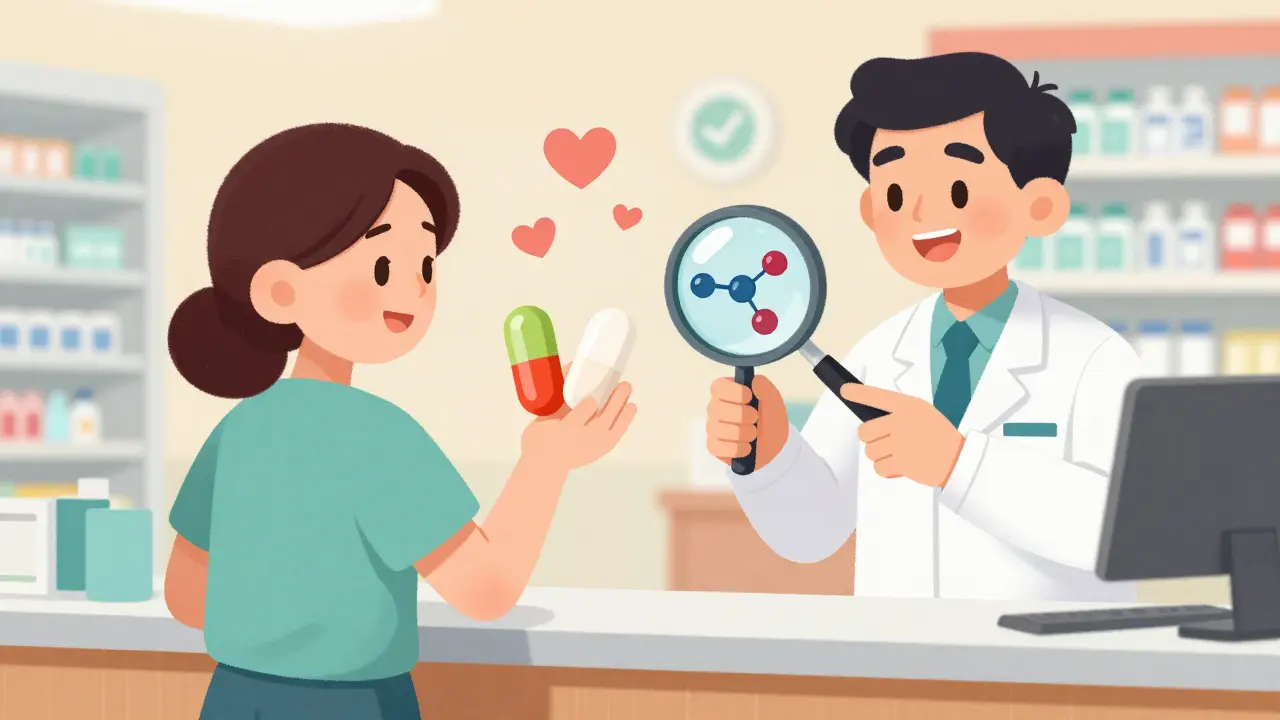
Generic drugs save patients up to 85% on medication costs and are just as effective as brand-name versions for most conditions. Learn when generics work perfectly - and when to stick with the original.
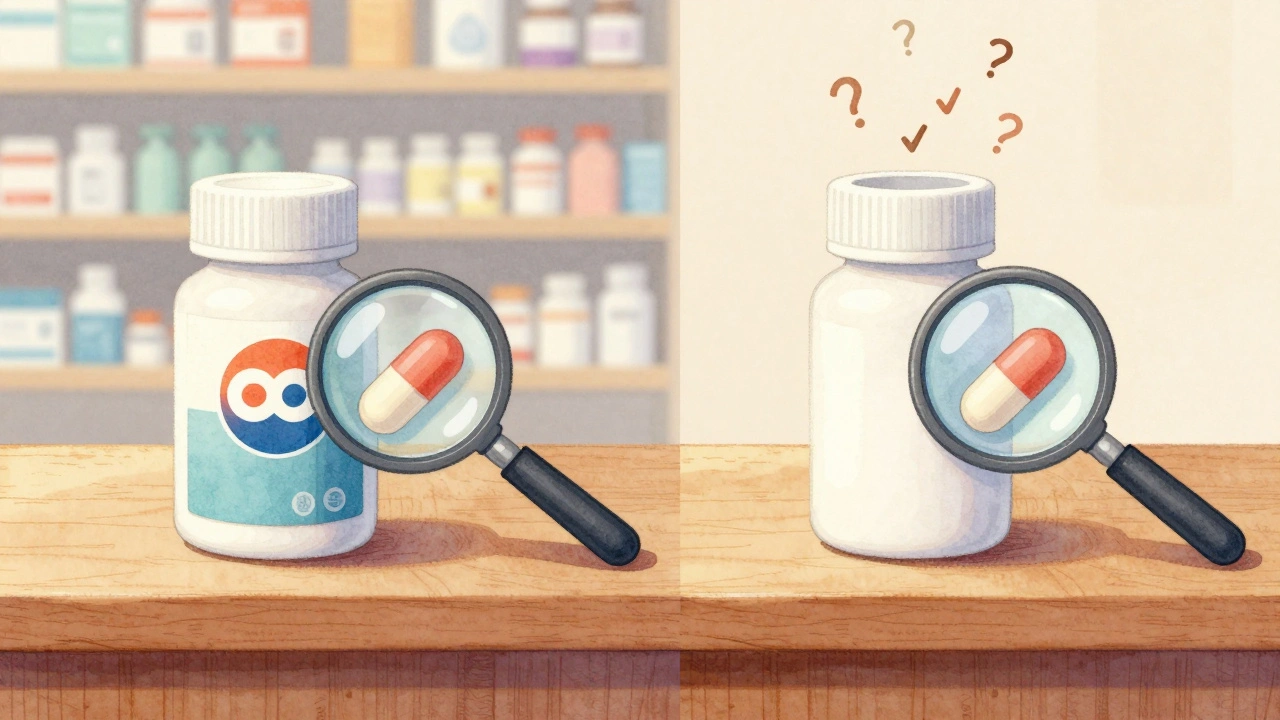
Authorized generics are the exact same medication as brand-name drugs-same ingredients, same factory, same FDA standards. Learn why they’re just as effective, often cheaper, and how to ask for them at the pharmacy.