
Author: Hamish Negi

Compare modern GLP-1 agonists like Wegovy against older weight loss drugs. Learn about efficacy, costs, side effects, and real-world results to choose the right path.

Learn exactly when pharmacists should recommend authorized generics over brand names, covering clinical scenarios, identification methods, and reimbursement rules.

Melatonin isn't a sleeping pill - it's your body's natural signal for nighttime. Learn how to use low doses at the right time to fix jet lag, delayed sleep, or shift work - and why high doses make things worse.
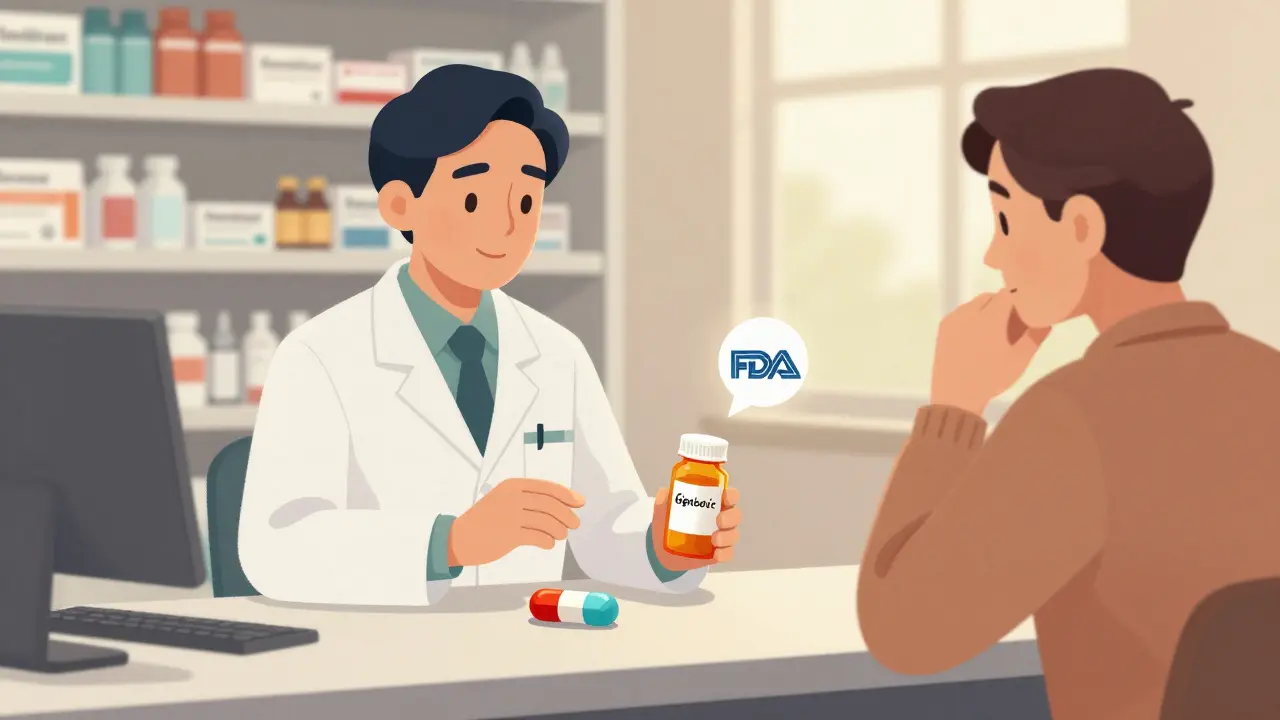
Switching from brand to generic drugs can save money, but it's not always risk-free. Learn what changes when you switch, which drugs need caution, and how to protect your health in 2026.
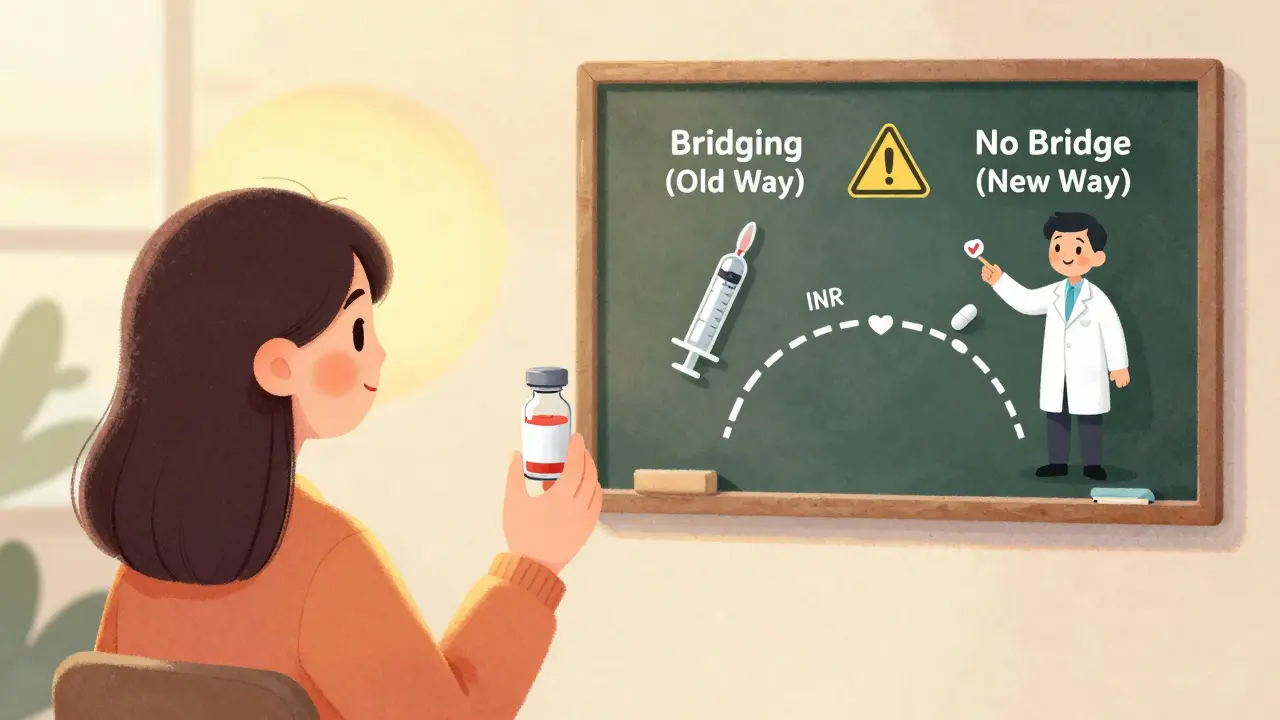
Bridging therapy between blood thinners is no longer routine. Learn who truly needs it, why DOACs have changed everything, and how to avoid unnecessary bleeding risks during surgery or procedures.
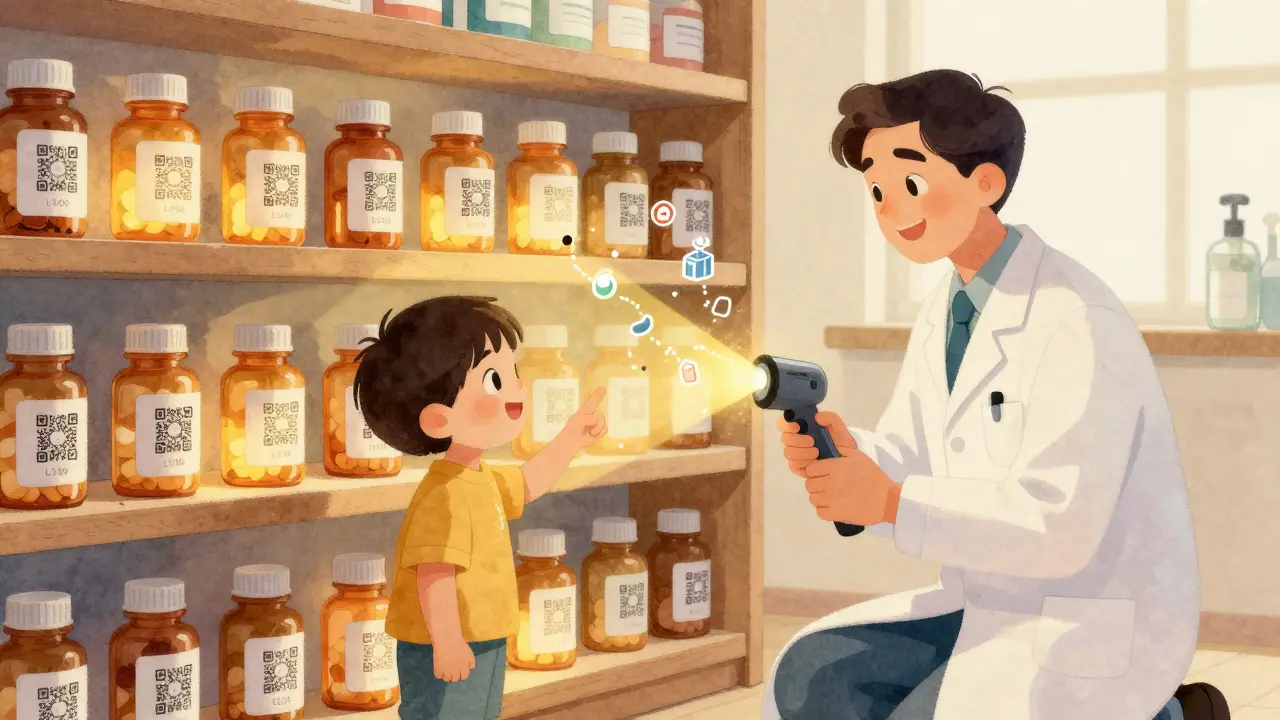
Lot numbers and serial codes are the backbone of track-and-trace systems that stop counterfeit drugs. Learn how these simple codes save lives, cut recall costs, and protect patients from fake medicines in today's global supply chain.

Stigma around mental health medication keeps people from getting help. Learn how to talk about it using simple, science-backed strategies that reduce shame and build understanding - from doctors to coworkers to friends.

Medication rationing during drug shortages forces hospitals to make tough ethical choices. Learn how ethical frameworks, committees, and transparent criteria are helping ensure fairer access to life-saving drugs.

Learn how to prepare for a medication review appointment by gathering all your medications, writing a detailed list, and preparing questions. This simple step can prevent dangerous drug interactions and improve your health outcomes.
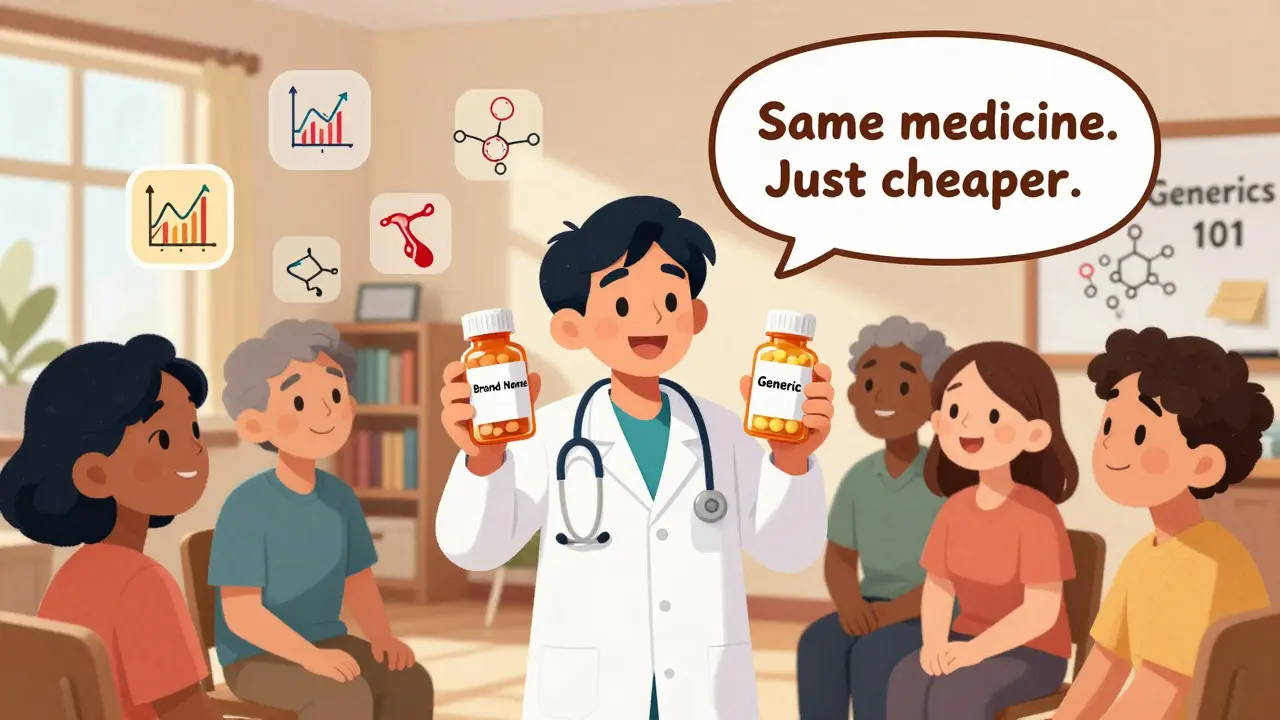
Community health presentations on generic drugs help patients overcome myths about safety and effectiveness. With 90% of prescriptions filled with generics, education is key to reducing costs and improving adherence - especially for low-income and older adults.