
Author: Hamish Negi - Page 3
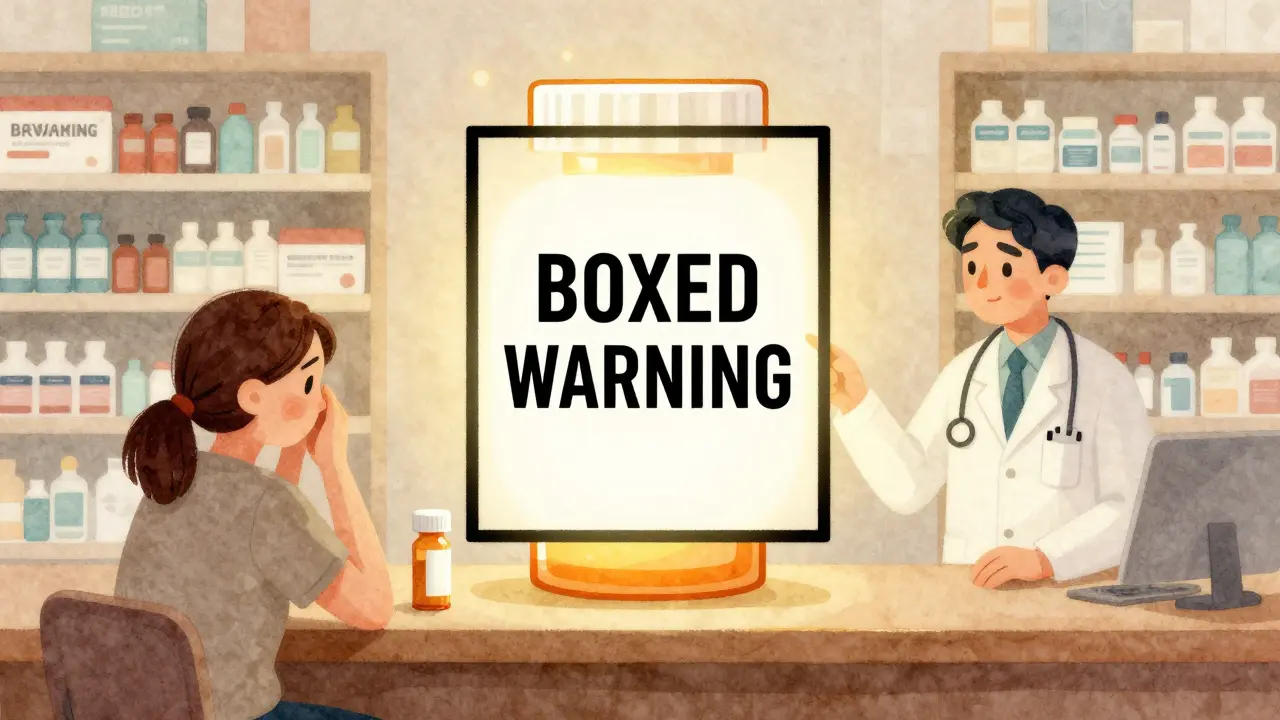
Understand FDA boxed warnings - the strongest drug safety alerts - and what they really mean for your health. Learn how to talk to your doctor, recognize real risks, and use high-risk medications safely.

Secondary patents let drug companies extend market exclusivity by patenting minor changes to existing medicines-like new formulations or uses-delaying generic competition and keeping prices high. Here's how it works, who benefits, and why it's controversial.
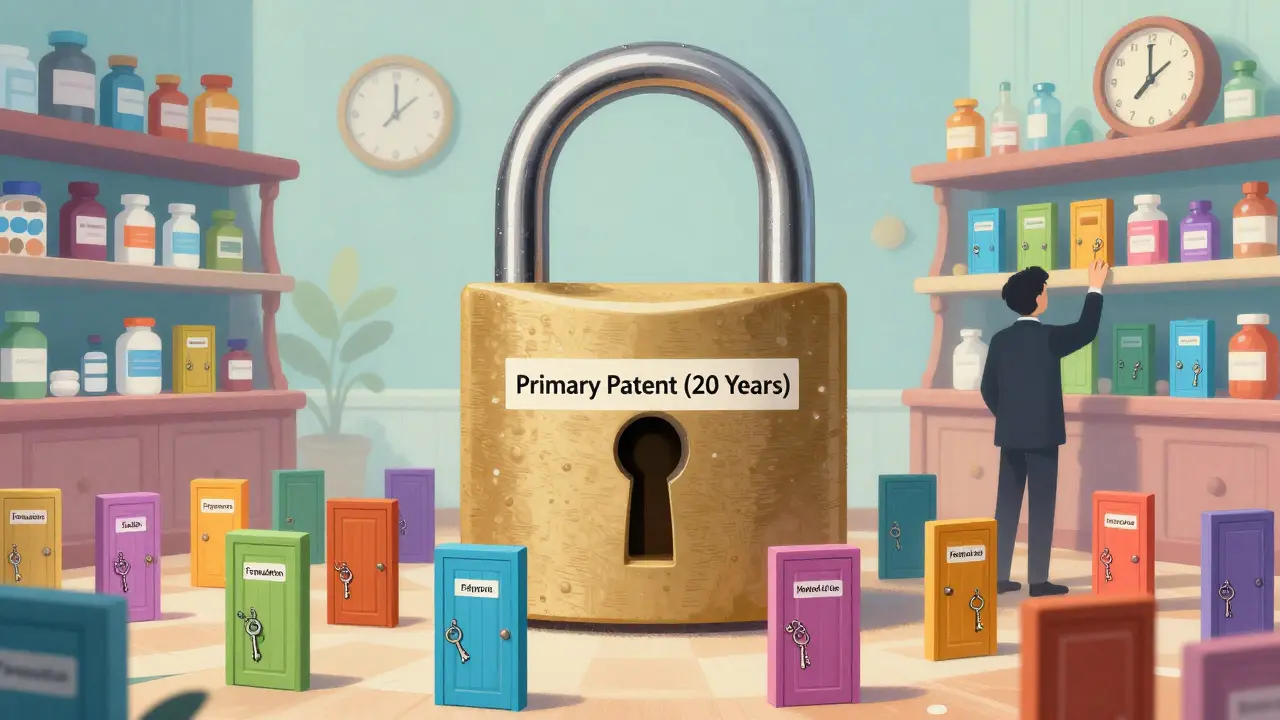
Secondary patents let drug companies extend market exclusivity by protecting minor changes to existing medicines, delaying generic competition and keeping prices high. Learn how they work and why they matter.
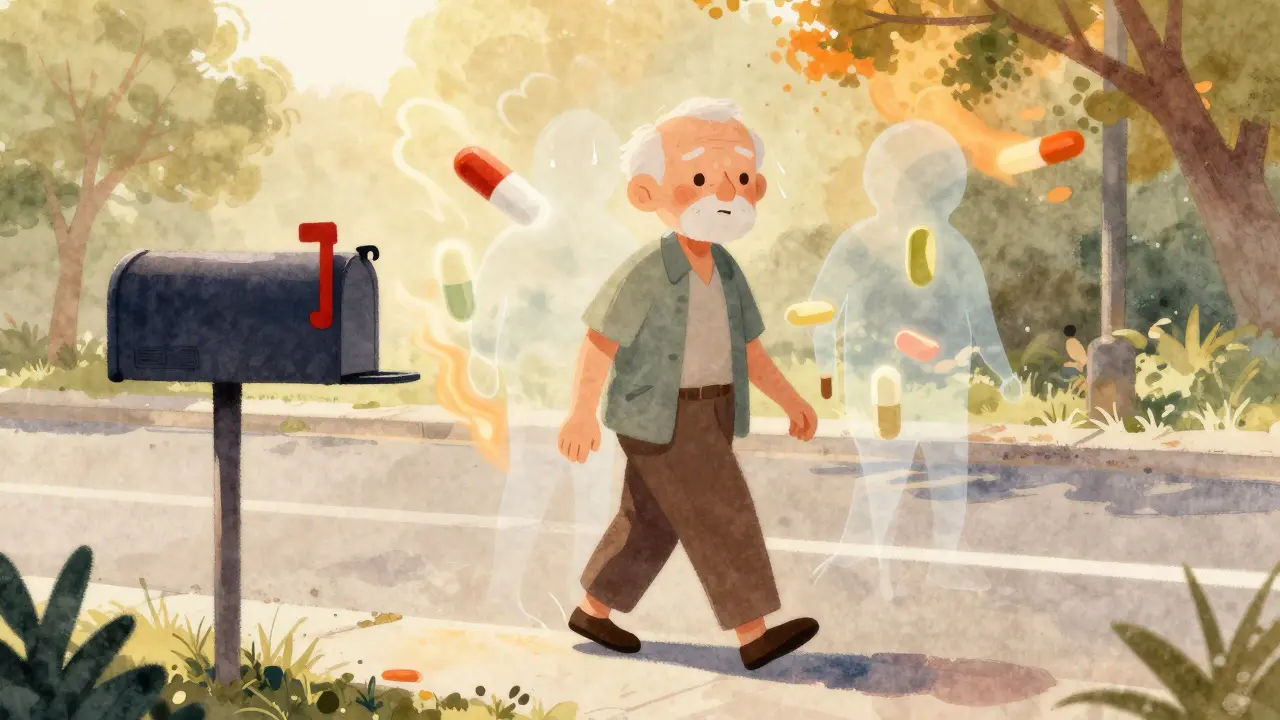
Many seniors on common medications are at risk of heat exhaustion or heat stroke during hot weather. Learn which drugs increase heat risk, how to adjust habits safely, and what to do if symptoms appear.
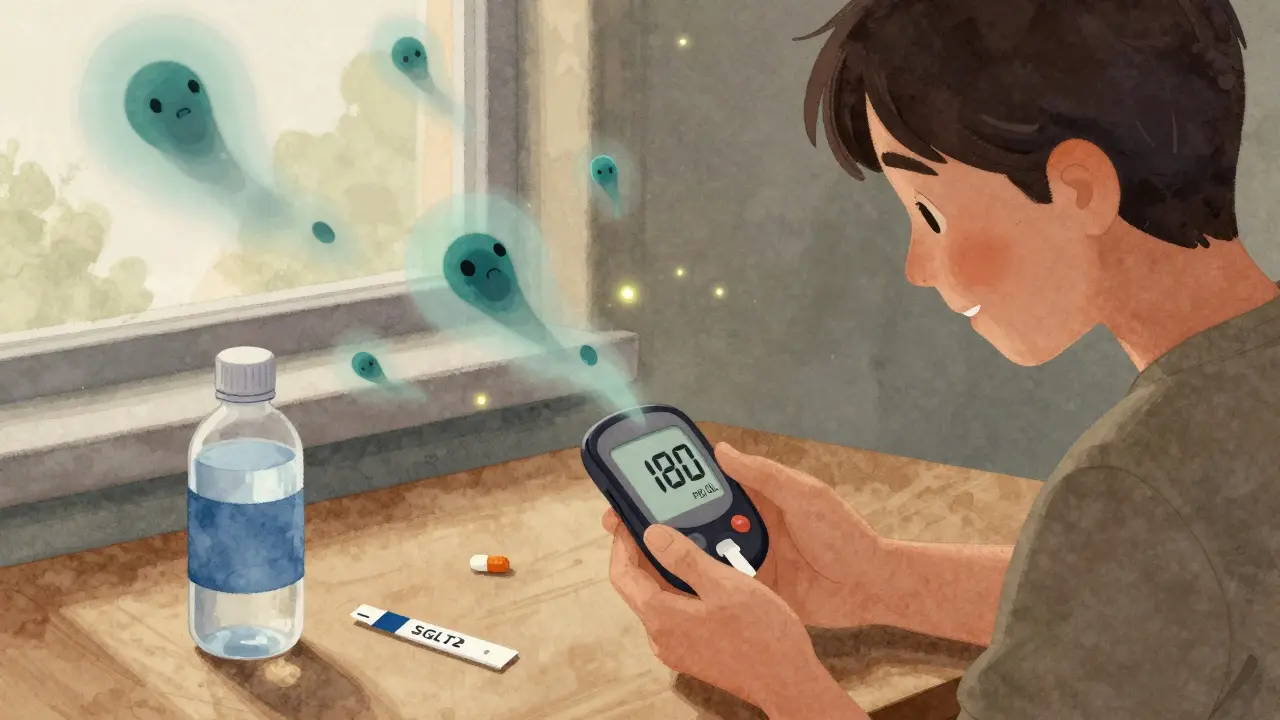
SGLT2 inhibitors help manage type 2 diabetes but carry a hidden risk of euglycemic diabetic ketoacidosis-where blood sugar stays normal but ketones rise dangerously. Know the signs, test for ketones when sick, and never ignore symptoms.
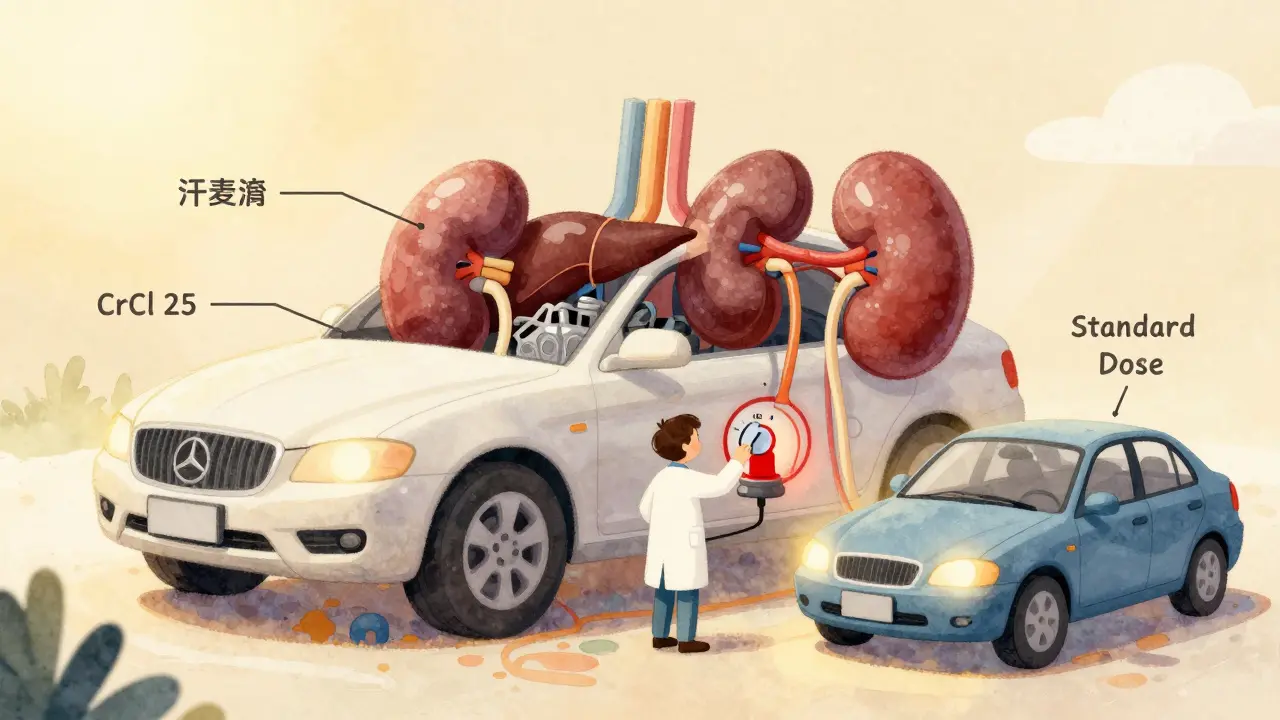
Medication dosing isn't one-size-fits-all. Age, weight, and kidney function all affect how your body handles drugs. Learn how to adjust doses safely to avoid dangerous side effects and ensure treatment works.
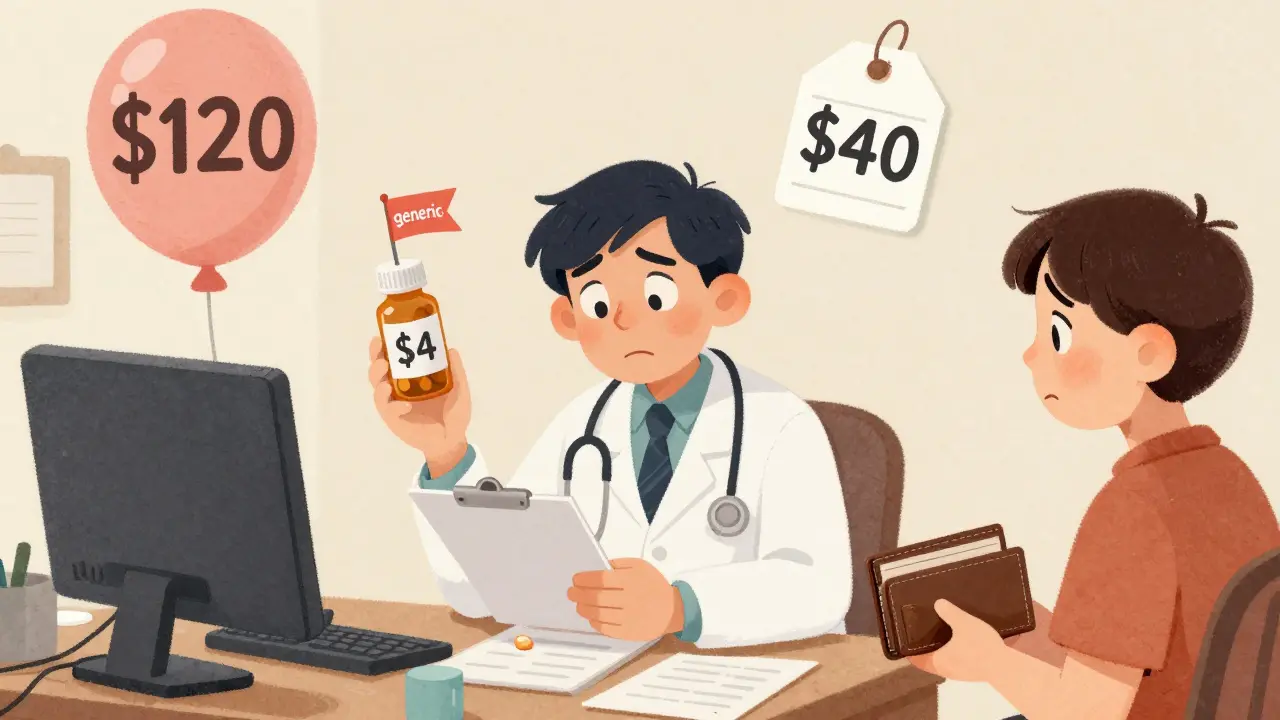
Most doctors don't know how much drugs cost - and that's hurting patients. Learn why prescribing decisions are often misinformed by hidden pricing and how real-time EHR tools are starting to change that.
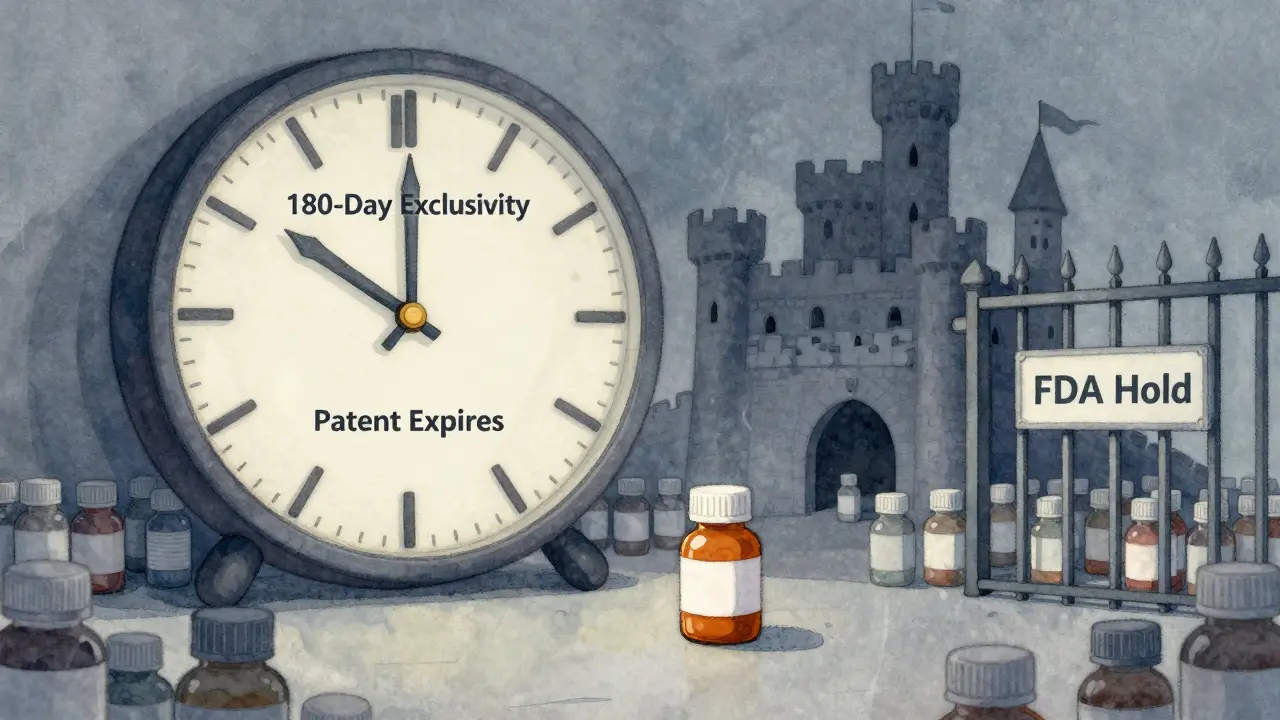
The 180-day exclusivity rule under the Hatch-Waxman Act was meant to speed up generic drug entry-but it often delays competition, keeping prices high. Here's how it works, who benefits, and why reform is overdue.
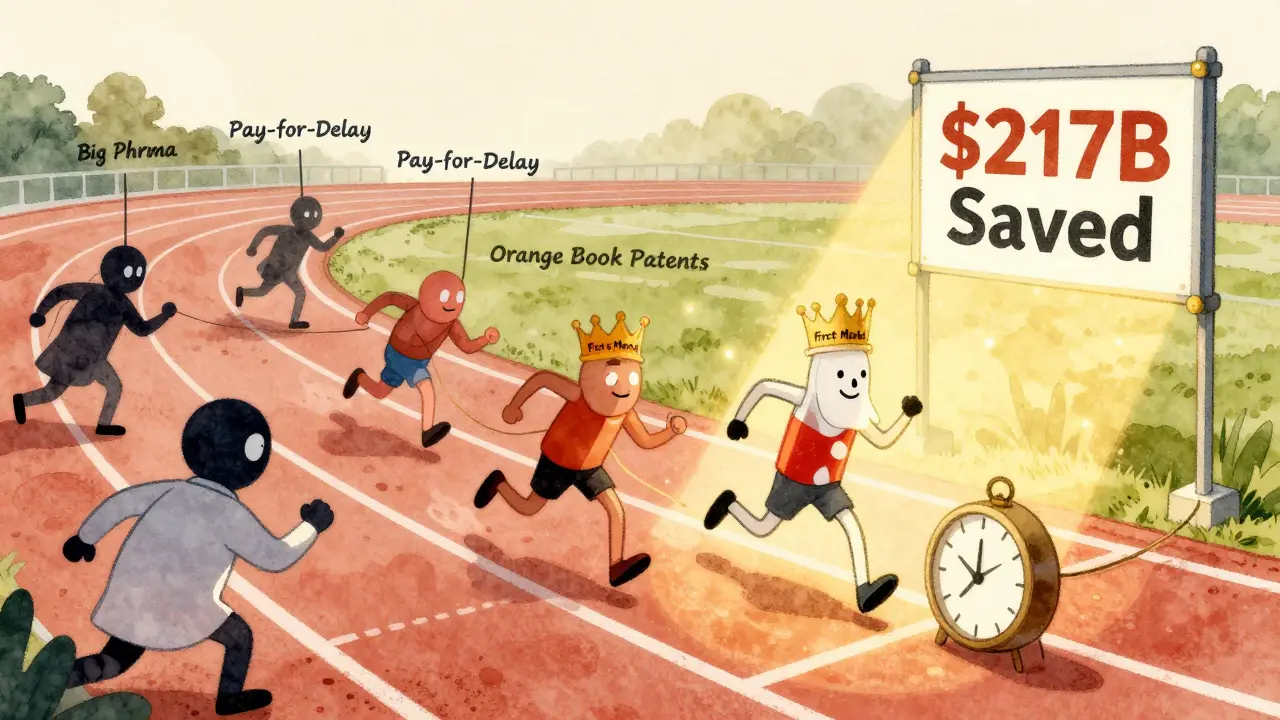
Antitrust laws in generic drug markets are meant to lower prices and increase access, but big pharma uses legal tricks like pay-for-delay deals and product hopping to block competition. Here’s how it works - and who pays the price.
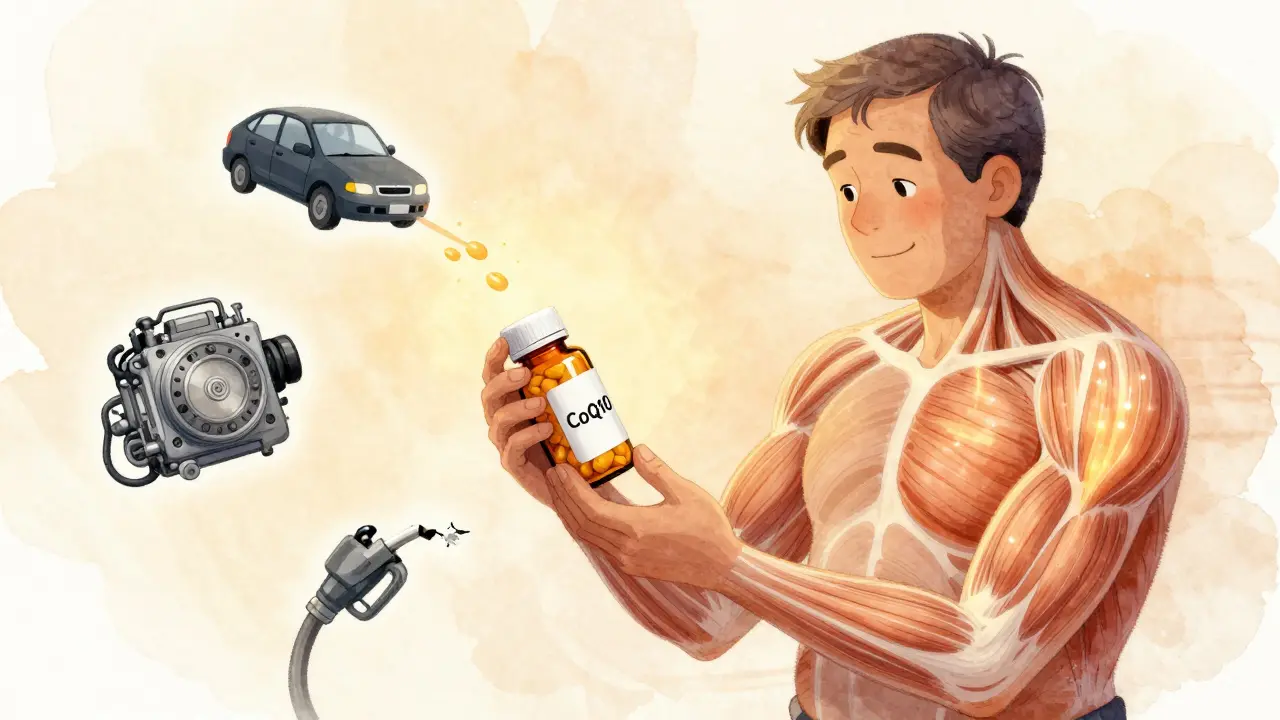
Statin-induced muscle pain affects up to 30% of users. Learn the difference between myalgia and myositis, why it happens, how it's diagnosed, and what actually works to treat it-without giving up heart protection.