
Category: Medications - Page 5
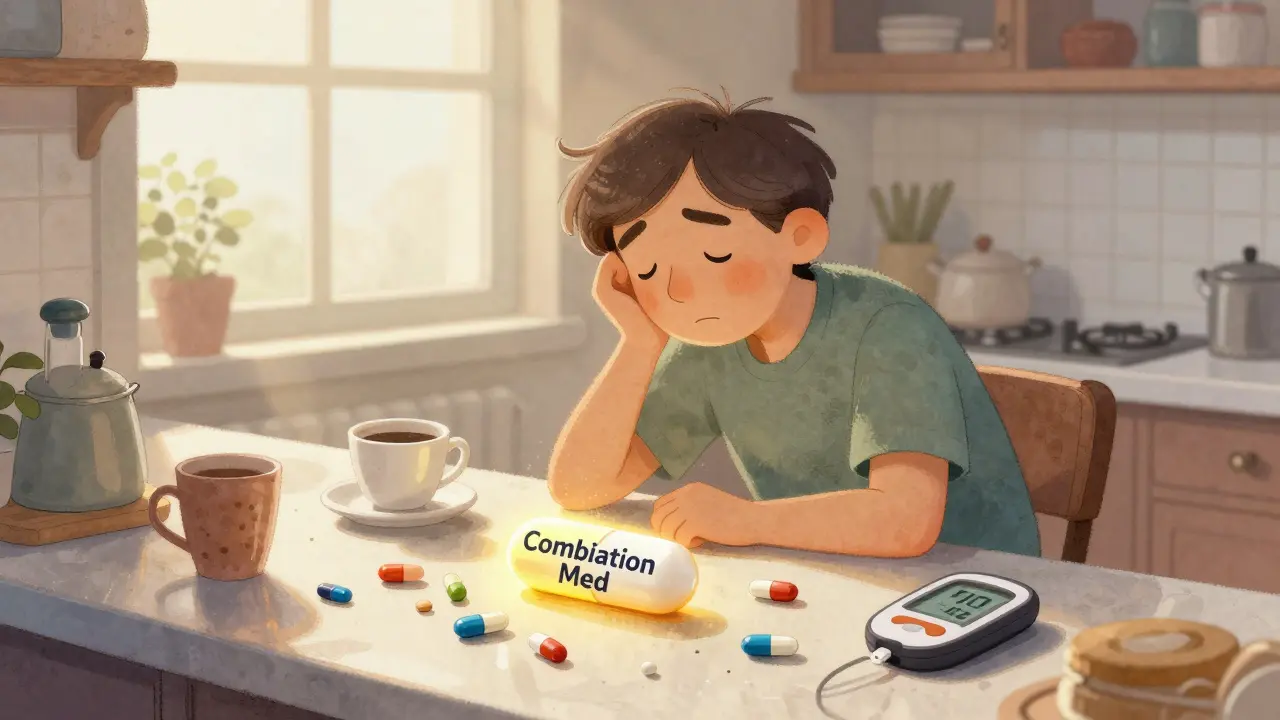
Learn when generic diabetes combination meds work, which ones are available, and how to switch safely without risking your blood sugar control. Save money without sacrificing health.
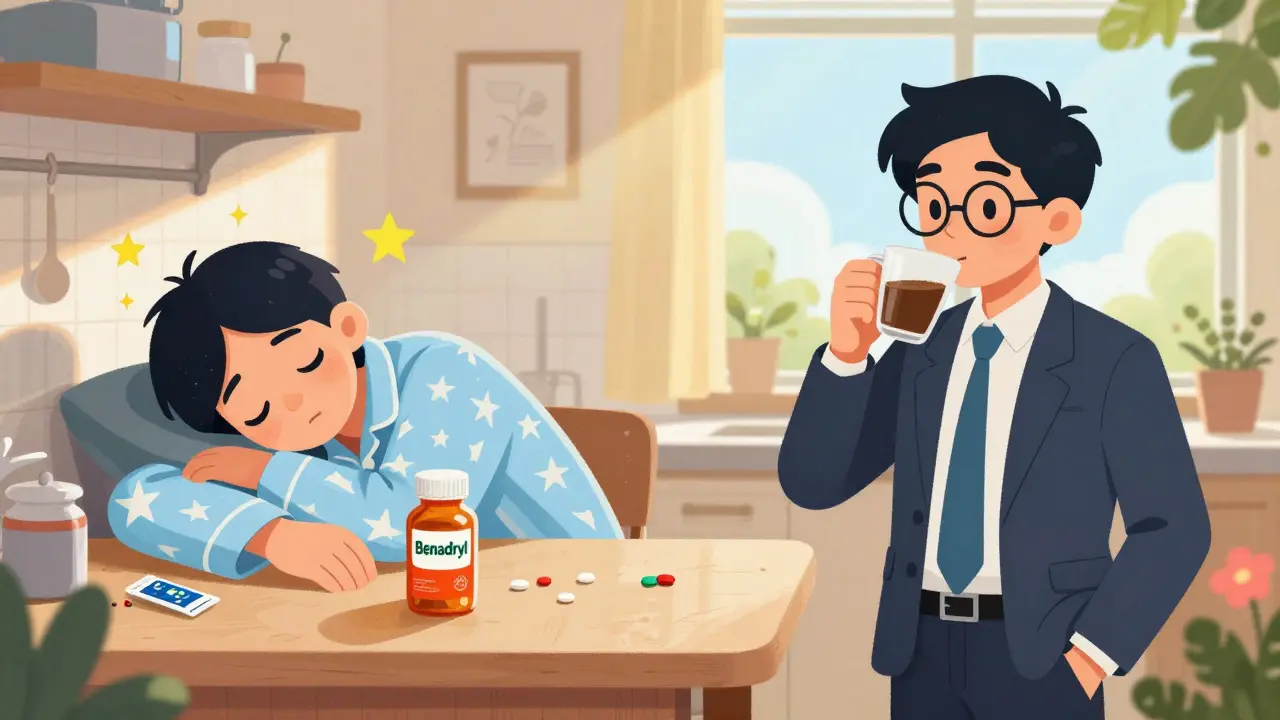
First-generation antihistamines like Benadryl work fast but cause drowsiness. Second-generation options like Zyrtec and Claritin are non-drowsy and better for daily use. Learn which one suits your needs.
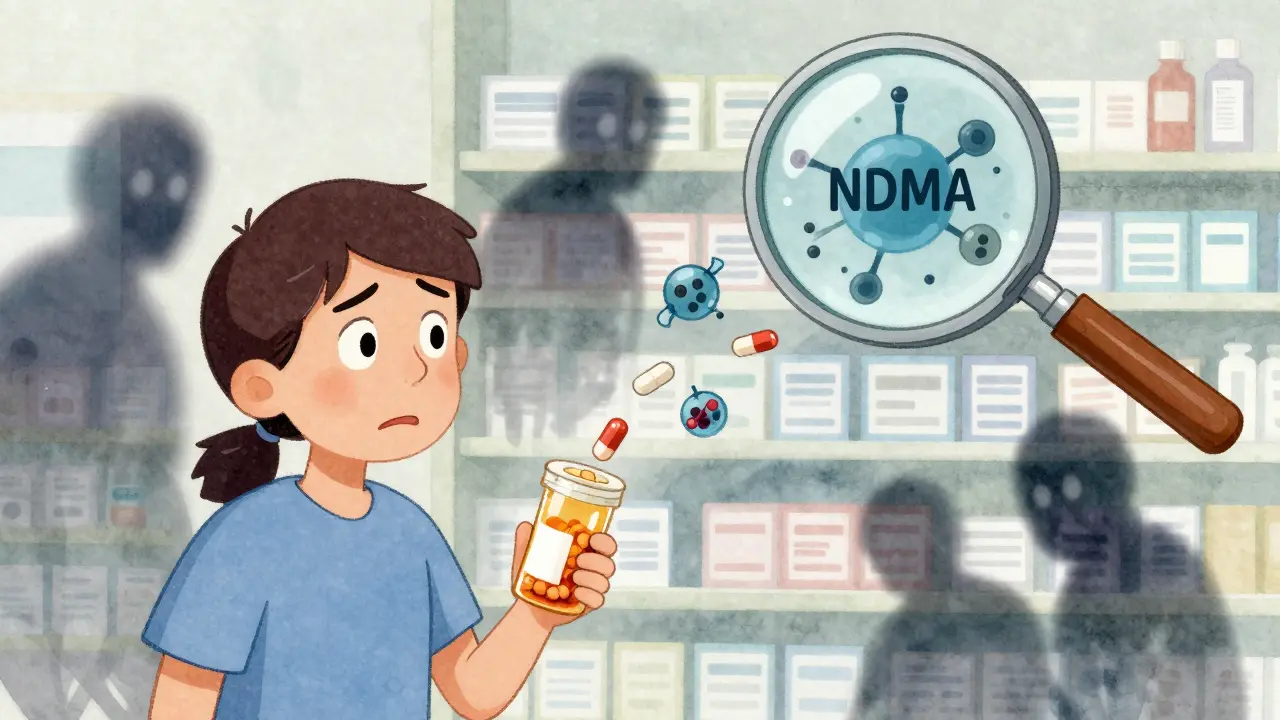
Recent contamination cases in generic drugs - from NDMA in blood pressure meds to benzene in Mucinex - reveal serious safety gaps. Learn how to protect yourself and understand why these problems keep happening.
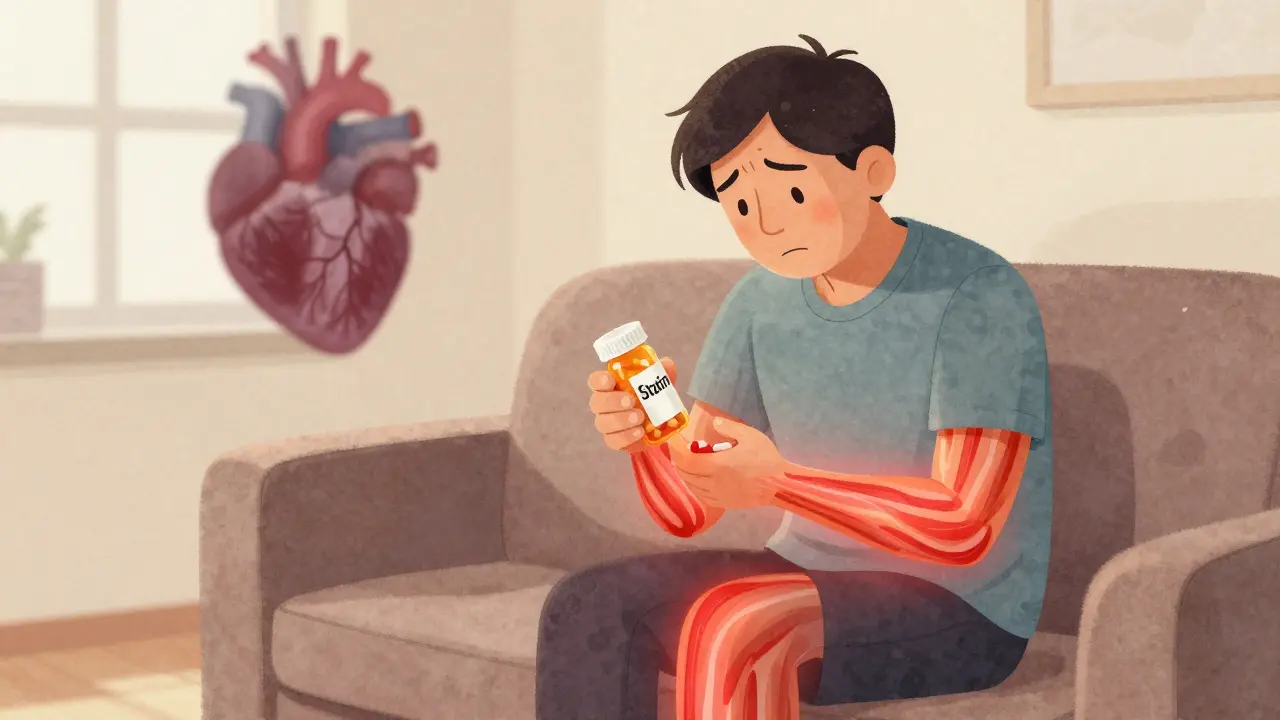
Many people stop statins due to muscle pain, but most cases aren't true intolerance. Learn safe, proven rechallenge strategies to get back on therapy and reduce heart attack risk without sacrificing muscle health.
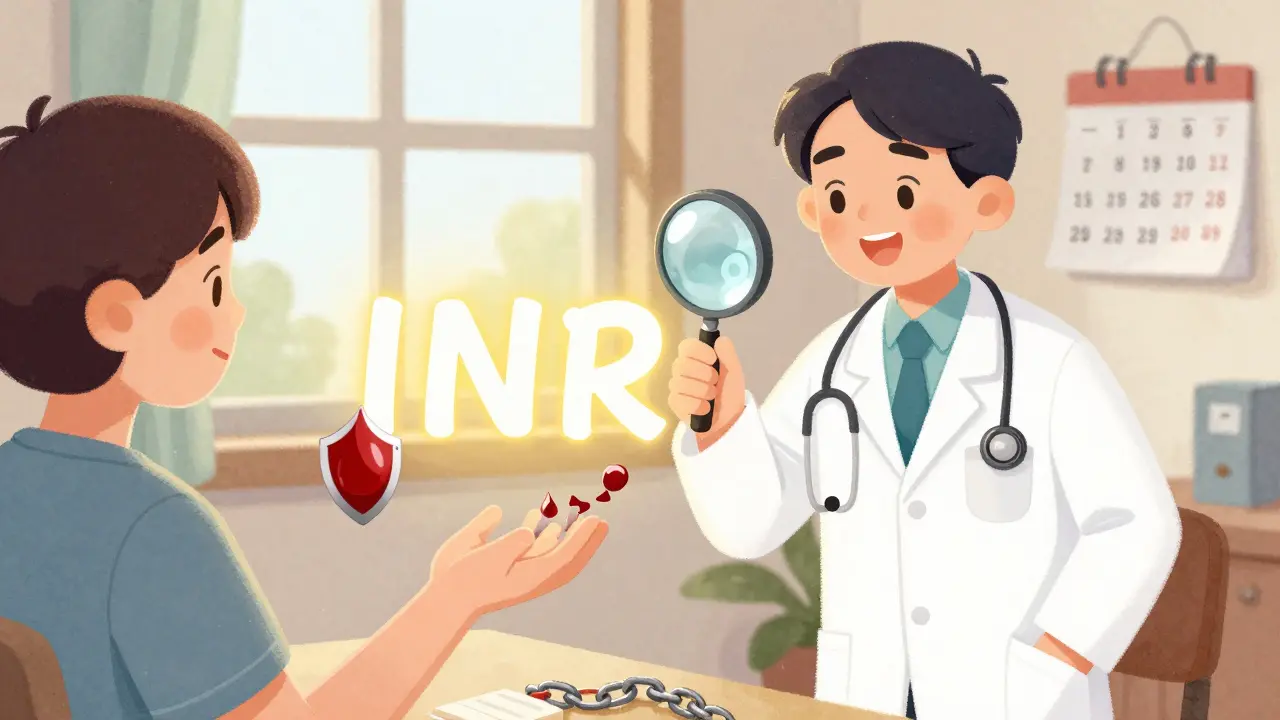
Learn how INR monitoring helps manage warfarin therapy, what target ranges mean for different conditions, and how home testing can improve safety and convenience. Understand the risks of high and low INR, and how newer blood thinners compare.
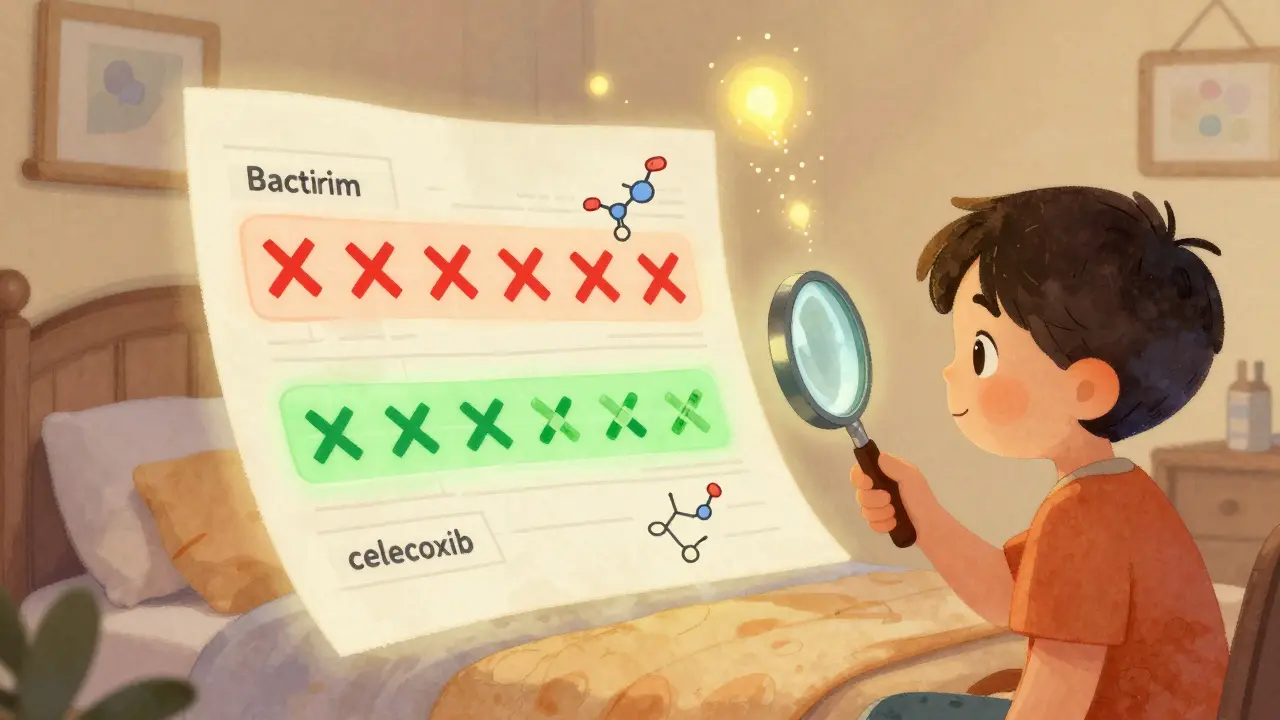
Most people with a sulfa allergy label can safely take common medications like hydrochlorothiazide and celecoxib. Learn the truth about sulfonamide cross-reactivity and how to avoid unnecessary drug restrictions.
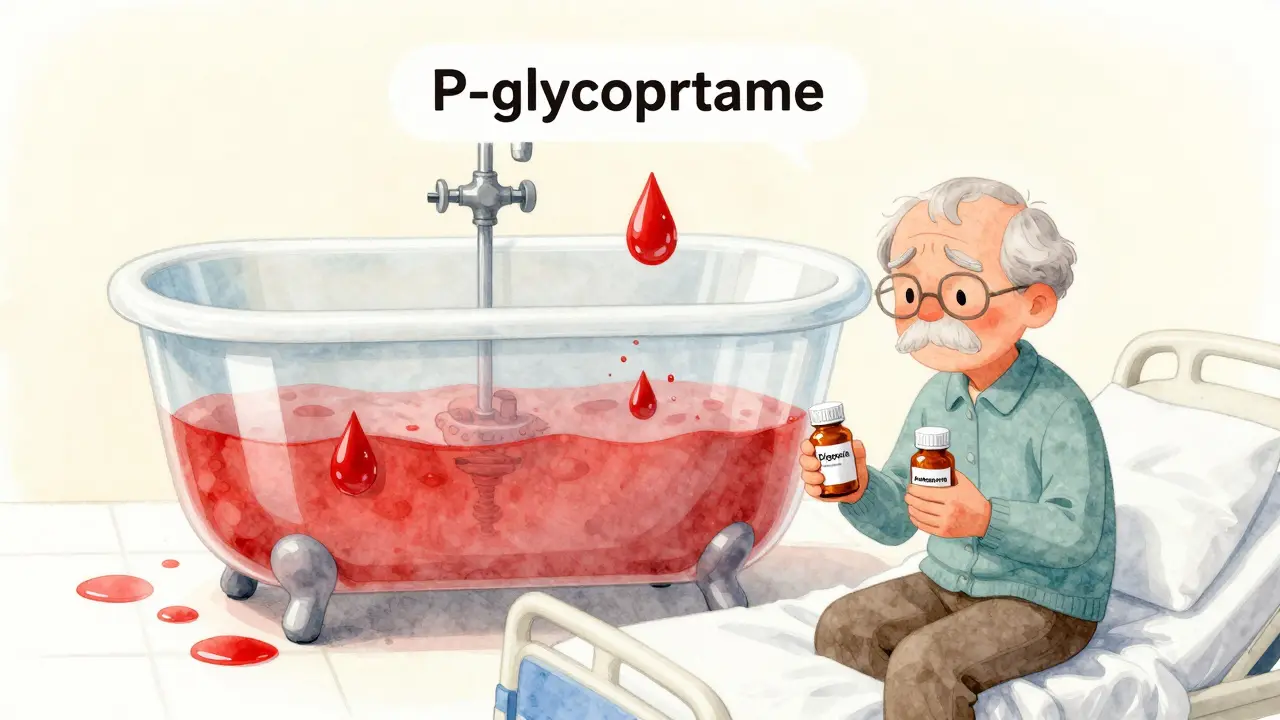
Digoxin and amiodarone together can cause deadly toxicity. Learn why this interaction happens, who's at risk, and exactly how to prevent it with proven, step-by-step dosing strategies.
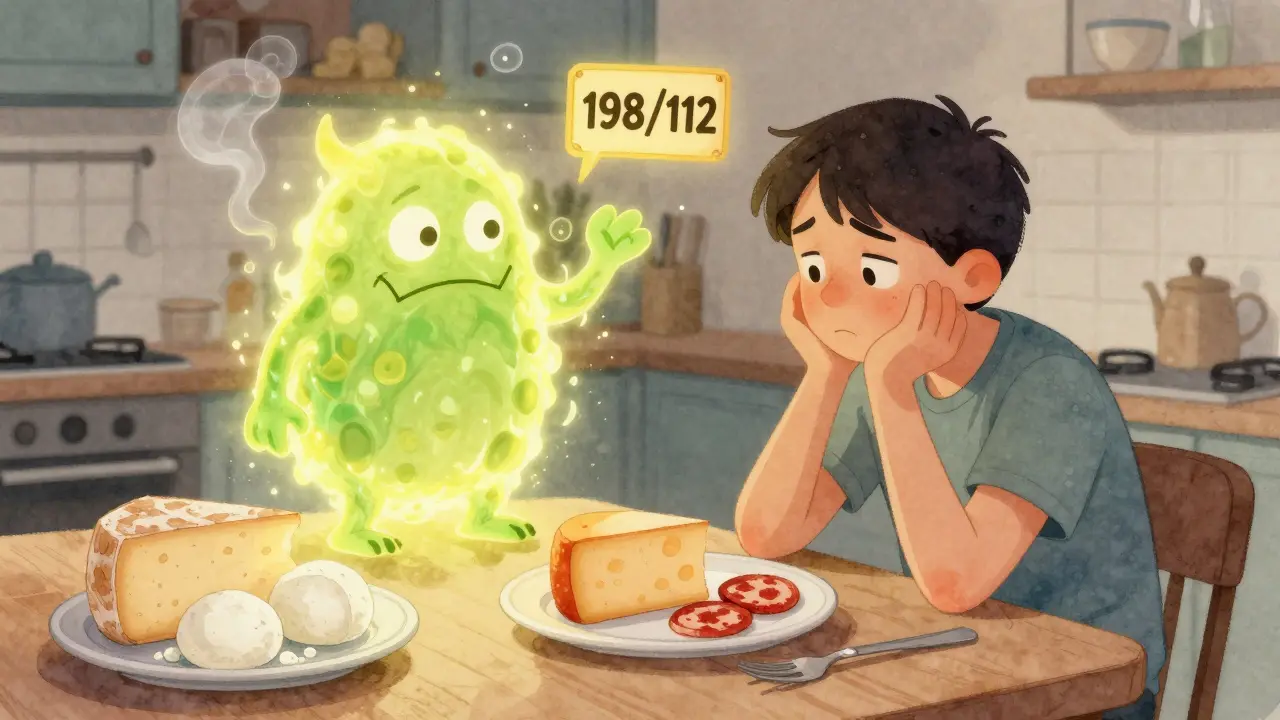
Aged cheeses and processed meats contain tyramine, which can cause dangerous blood pressure spikes when taken with MAOI antidepressants. Learn which foods to avoid, what’s safe, and how to stay protected.

Antimalarial drugs like hydroxychloroquine and artemether-lumefantrine can dangerously prolong the QT interval and interact with liver enzymes, raising the risk of fatal heart rhythms. Learn which combinations to avoid and how to stay safe.
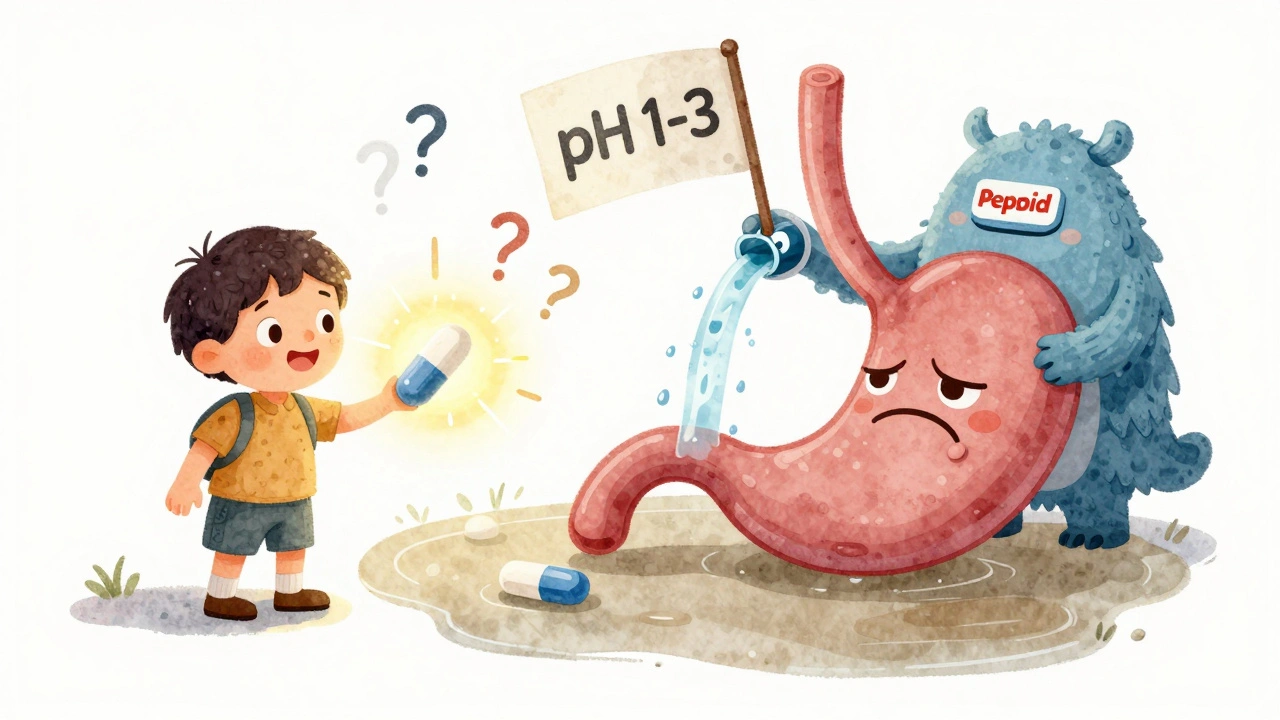
H2 blockers like famotidine can reduce stomach acid enough to stop antivirals and antifungals from working. Learn which drugs are affected, how to avoid dangerous interactions, and what to do if you're already taking them together.