
Category: Medications - Page 3
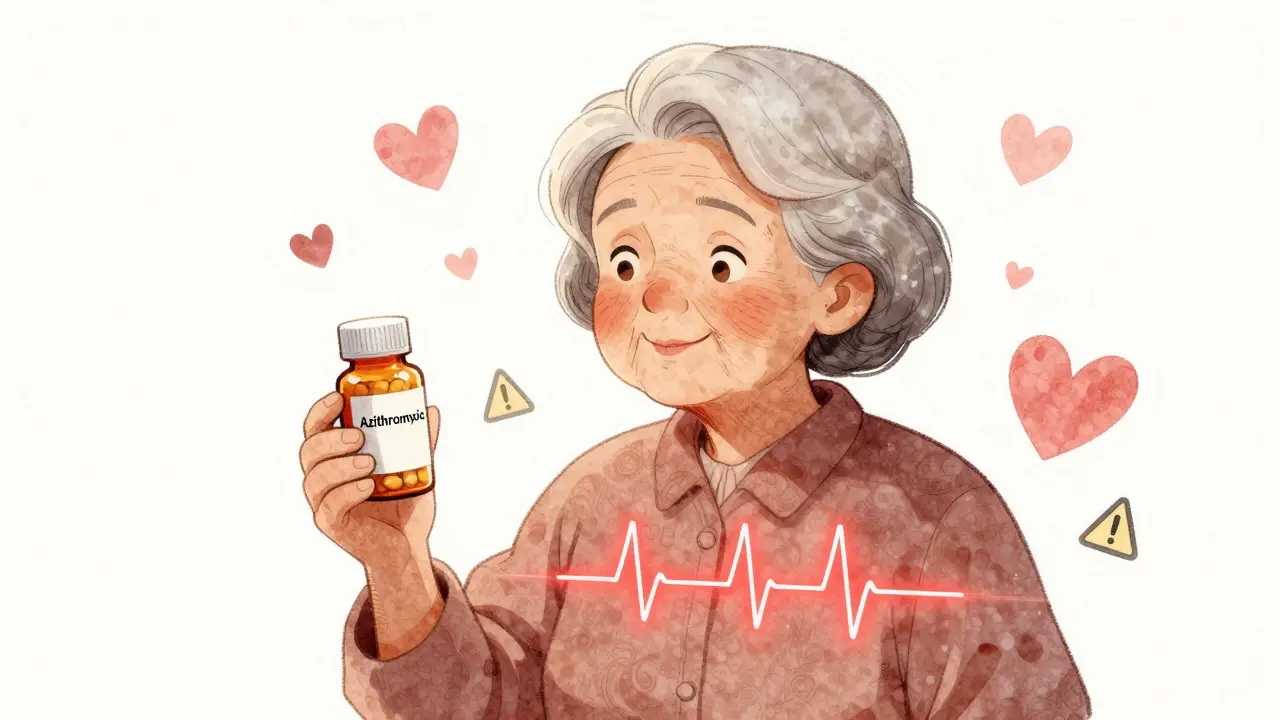
Macrolide antibiotics like azithromycin and clarithromycin can prolong the QT interval and trigger dangerous heart rhythms, especially in older adults or those on other medications. Learn who’s at risk and how to stay safe.
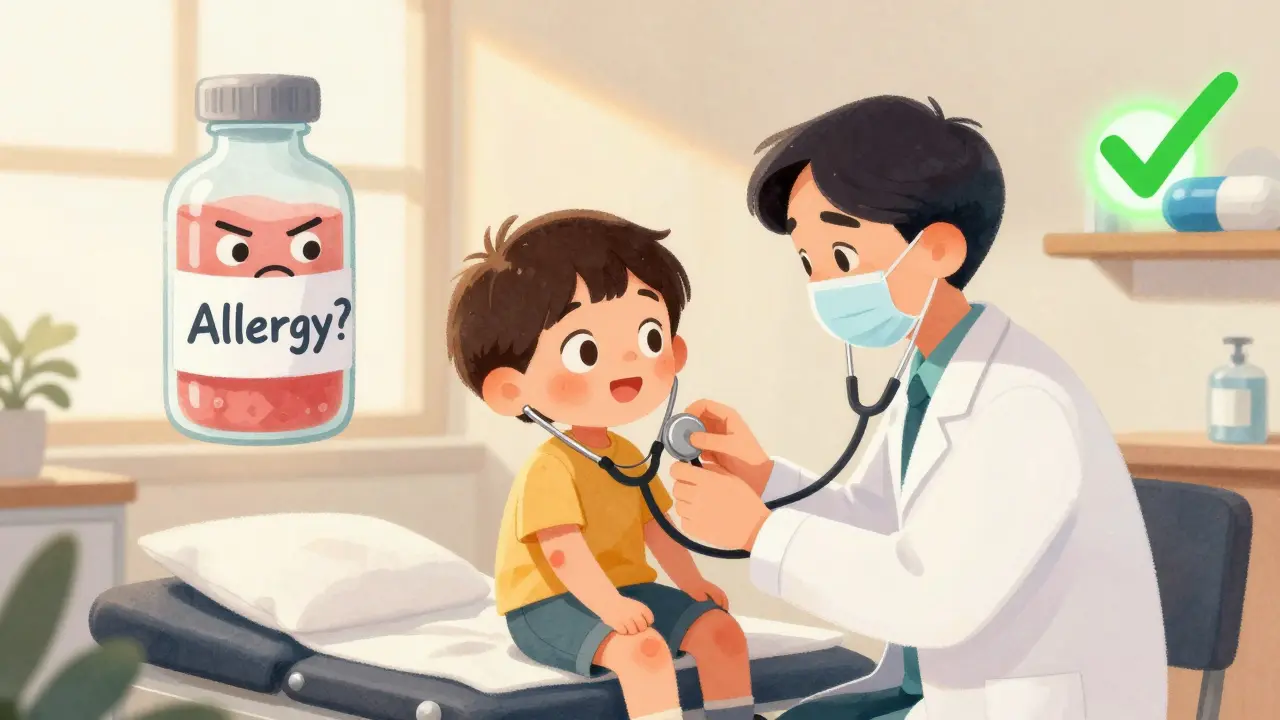
Most people who think they're allergic to penicillin aren't. Learn the real difference between allergies and side effects, why mislabeling is dangerous, and how to get tested to safely use penicillin again.

Understanding what manufacturing changes trigger FDA re-evaluation for generic drugs is critical for ensuring supply, safety, and compliance. Learn the key triggers, costs, and new FDA programs that are reshaping the approval process.
Understand FDA boxed warnings - the strongest drug safety alerts - and what they really mean for your health. Learn how to talk to your doctor, recognize real risks, and use high-risk medications safely.

Many seniors on common medications are at risk of heat exhaustion or heat stroke during hot weather. Learn which drugs increase heat risk, how to adjust habits safely, and what to do if symptoms appear.
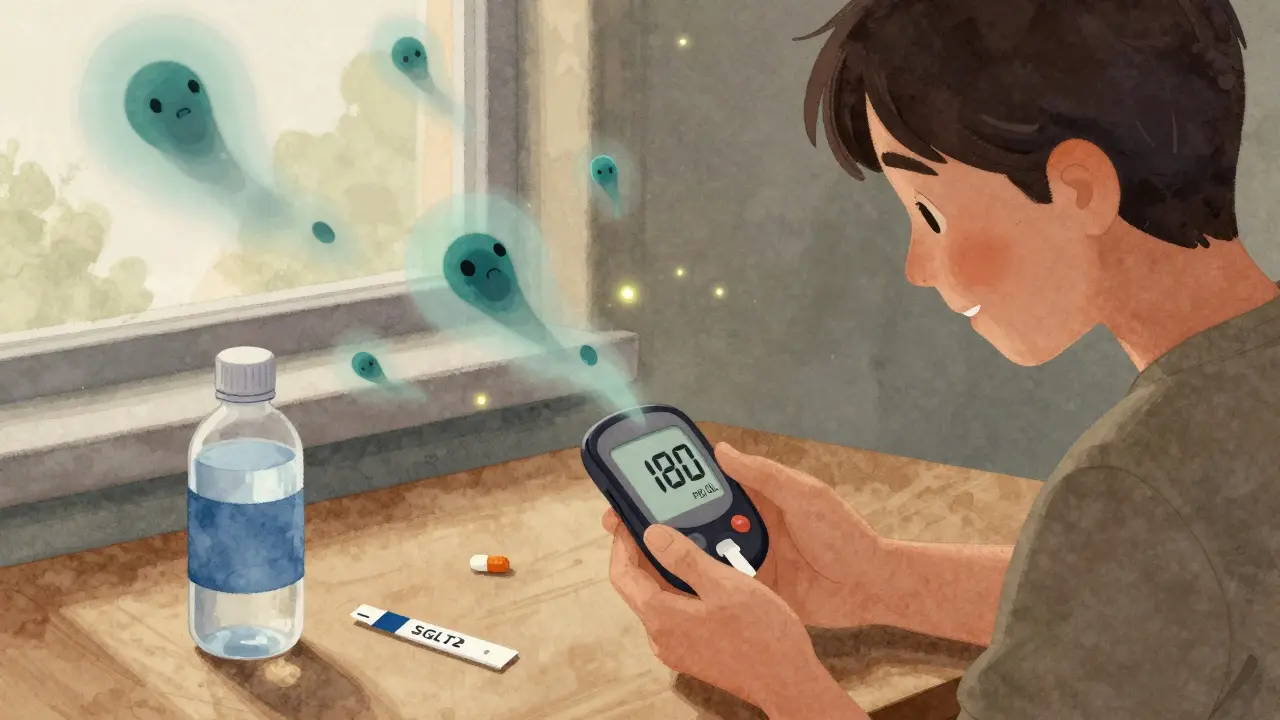
SGLT2 inhibitors help manage type 2 diabetes but carry a hidden risk of euglycemic diabetic ketoacidosis-where blood sugar stays normal but ketones rise dangerously. Know the signs, test for ketones when sick, and never ignore symptoms.
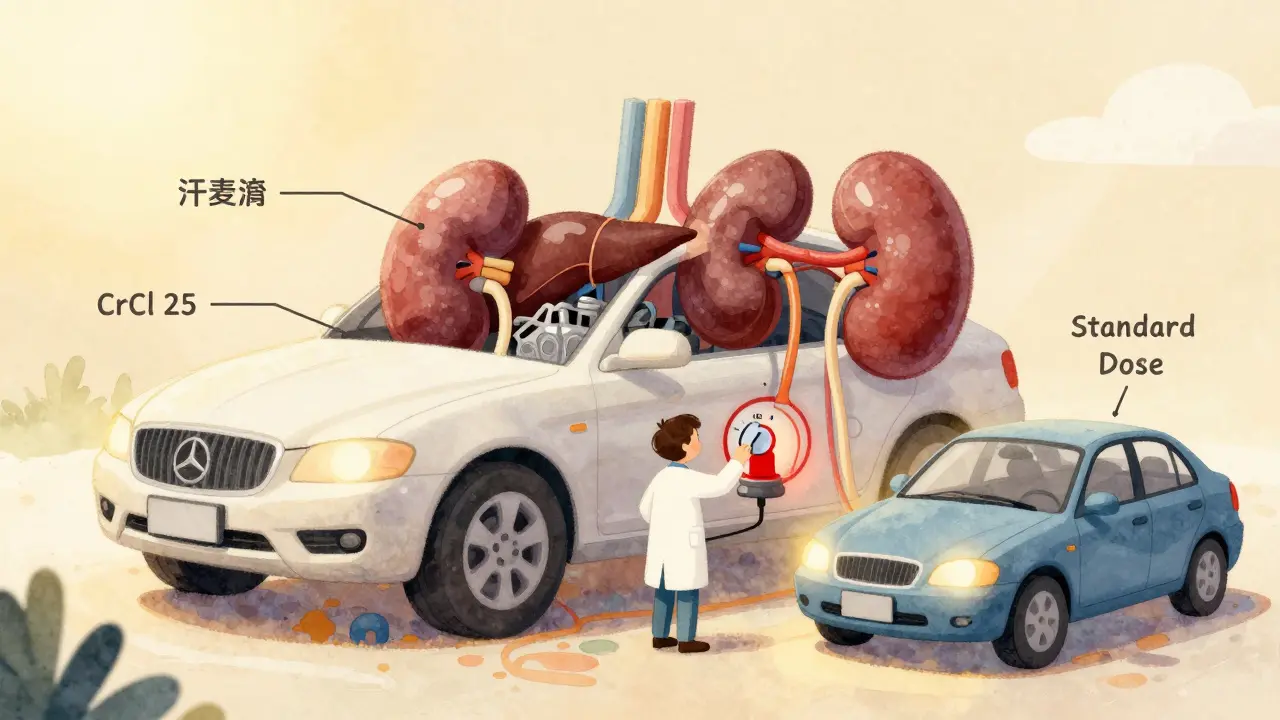
Medication dosing isn't one-size-fits-all. Age, weight, and kidney function all affect how your body handles drugs. Learn how to adjust doses safely to avoid dangerous side effects and ensure treatment works.
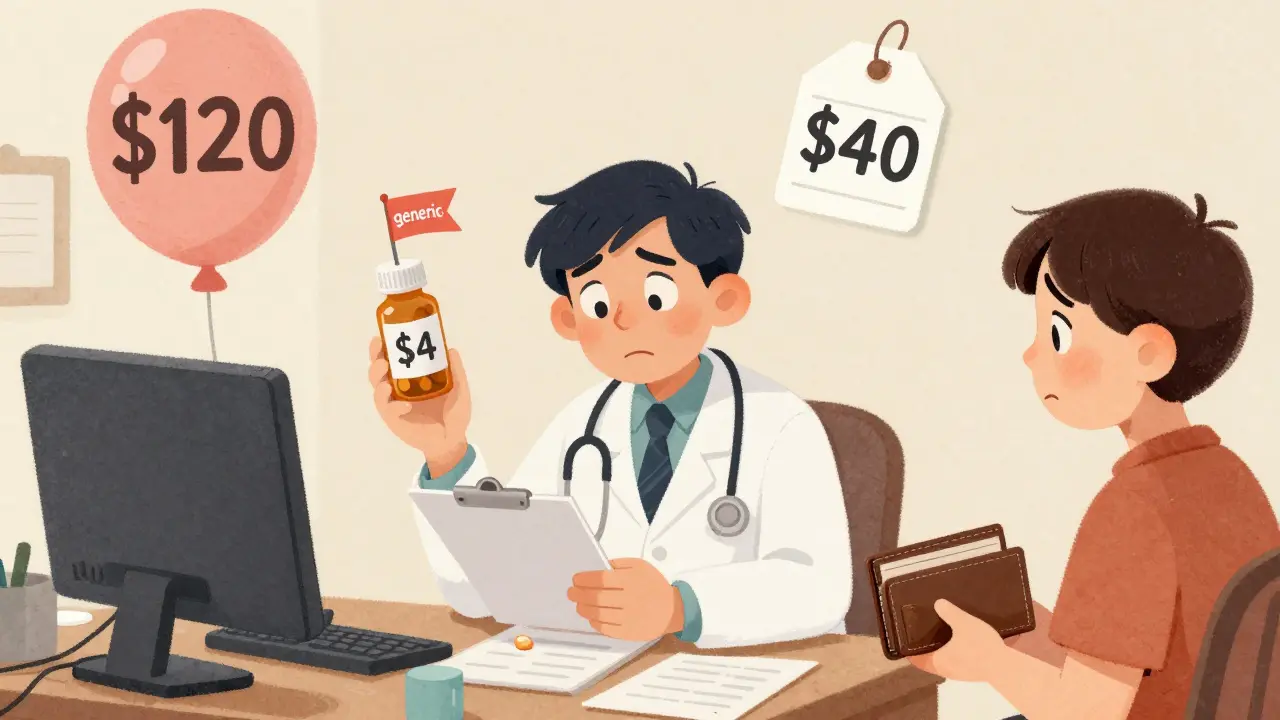
Most doctors don't know how much drugs cost - and that's hurting patients. Learn why prescribing decisions are often misinformed by hidden pricing and how real-time EHR tools are starting to change that.
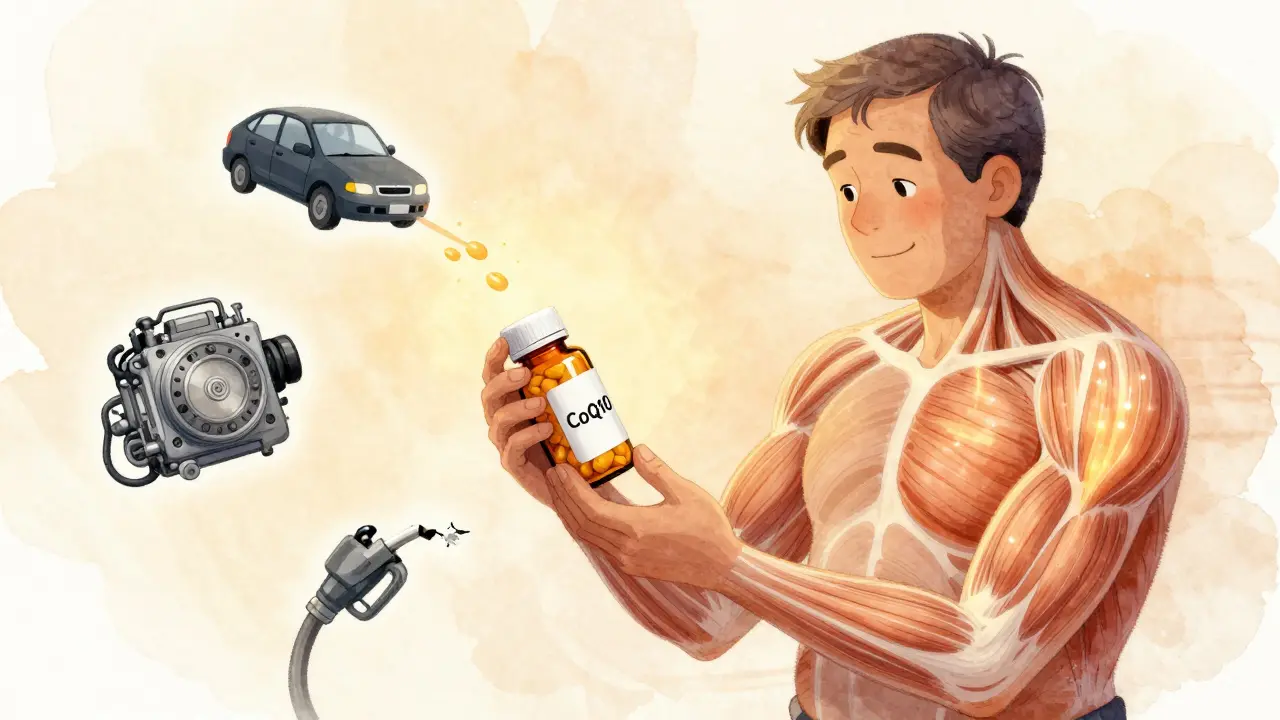
Statin-induced muscle pain affects up to 30% of users. Learn the difference between myalgia and myositis, why it happens, how it's diagnosed, and what actually works to treat it-without giving up heart protection.
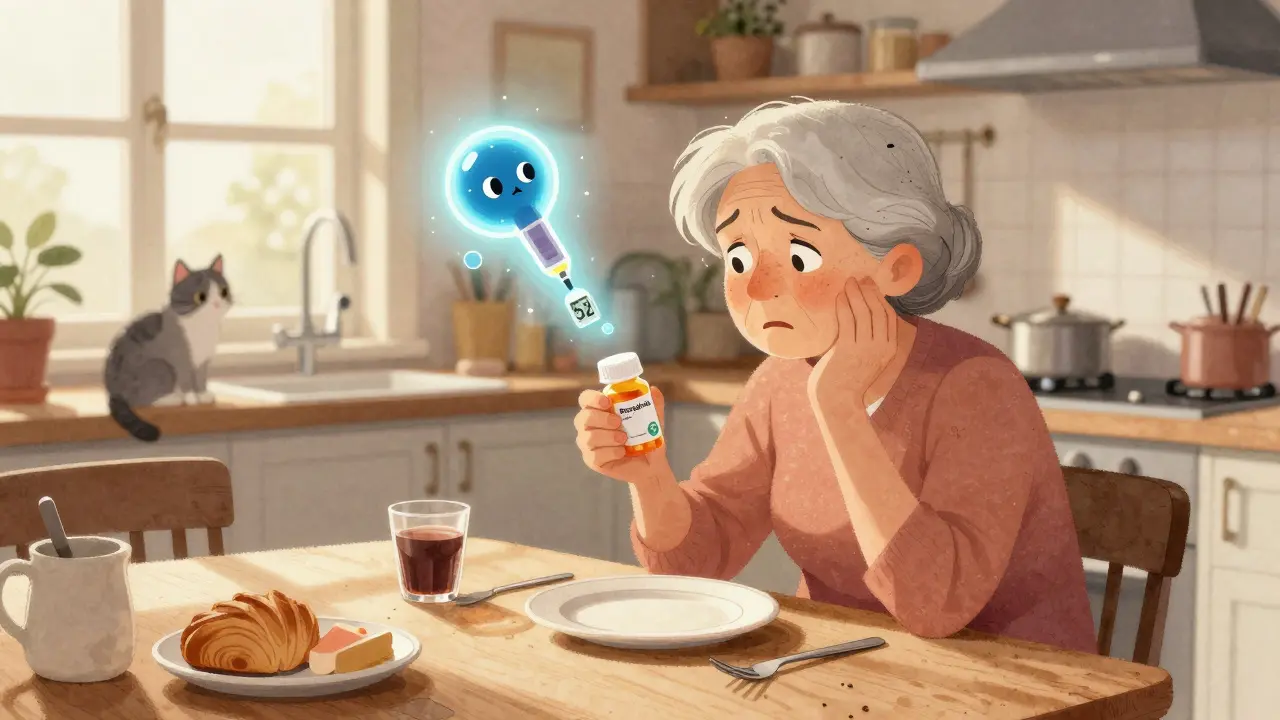
Meglitinides like repaglinide and nateglinide help control blood sugar after meals but carry a high risk of hypoglycemia if meals are skipped. Learn how to use them safely with meal timing, reminders, and monitoring.